Home/Encyclopedia/De Havilland Canada/De Havilland Canada DHC-6 Twin Otter

De Havilland Canada DHC-6 Twin Otter

The Twin Otter is a high-wing, twin-turboprop utility aircraft developed by De Havilland Canada for short take-offs and landings. Approved installations include wheels, floats and skis. Its first flight was on 20 May 1965.

Models at a glance

DHC-6 Series 400

The fourth production series introduced a modern integrated flight deck and upgraded electrical equipment. EASA Issue 6 lists PT6A-34 engines and the later approved PT6A-27 option.

Length
15.77 m
Wingspan
19.81 m
Published range
763 nmZero payload · standard tanks · wheels
Engine options
PT6A-34 · PT6A-27
Main landing gear
Fixed tricycle (wheeled configuration)
Sources
DHC-6 Series 400 variants

Identification

Wheels
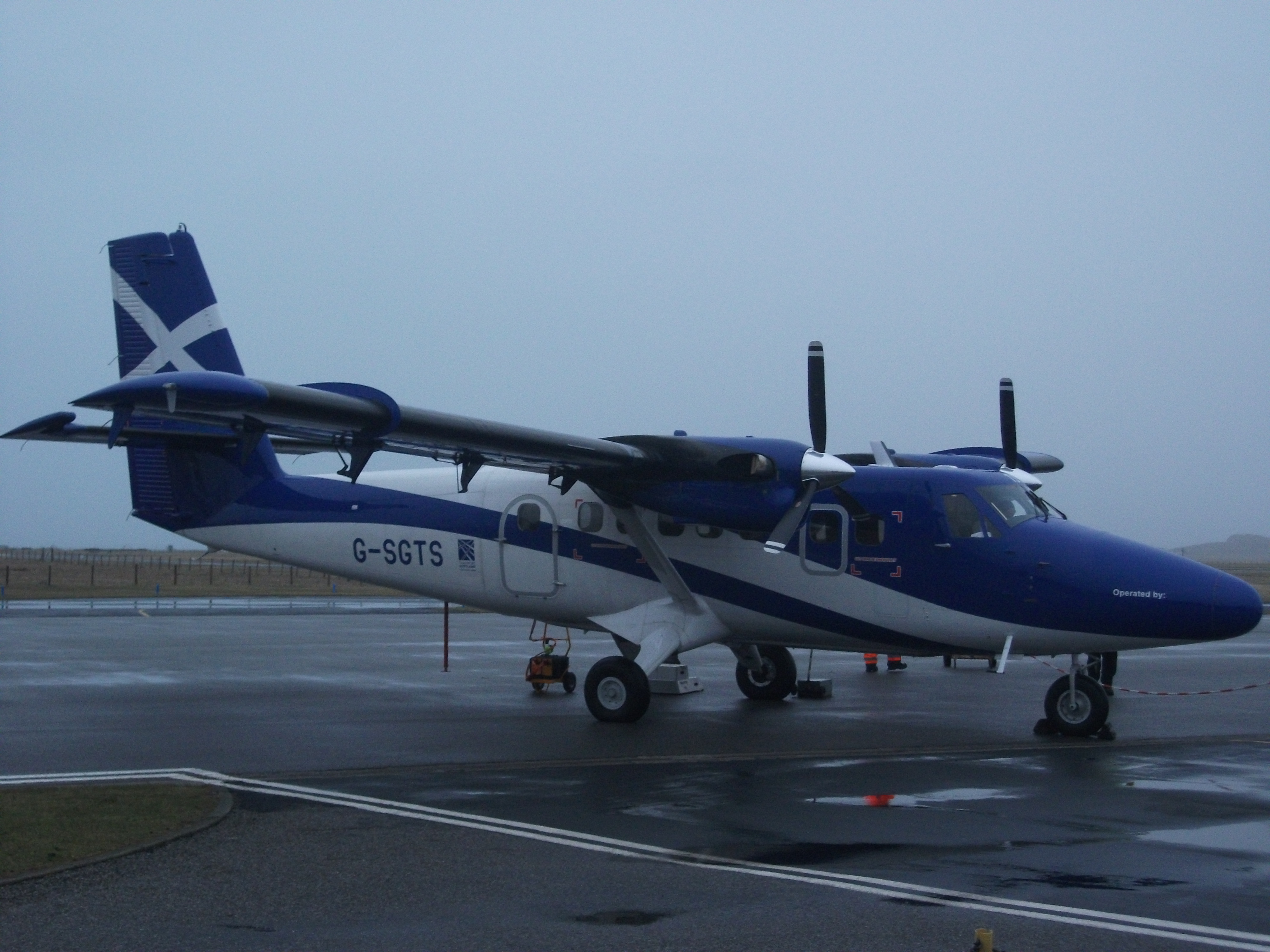
Find the two exposed main wheels and the forward nose wheel on struts below the fuselage.
Floats
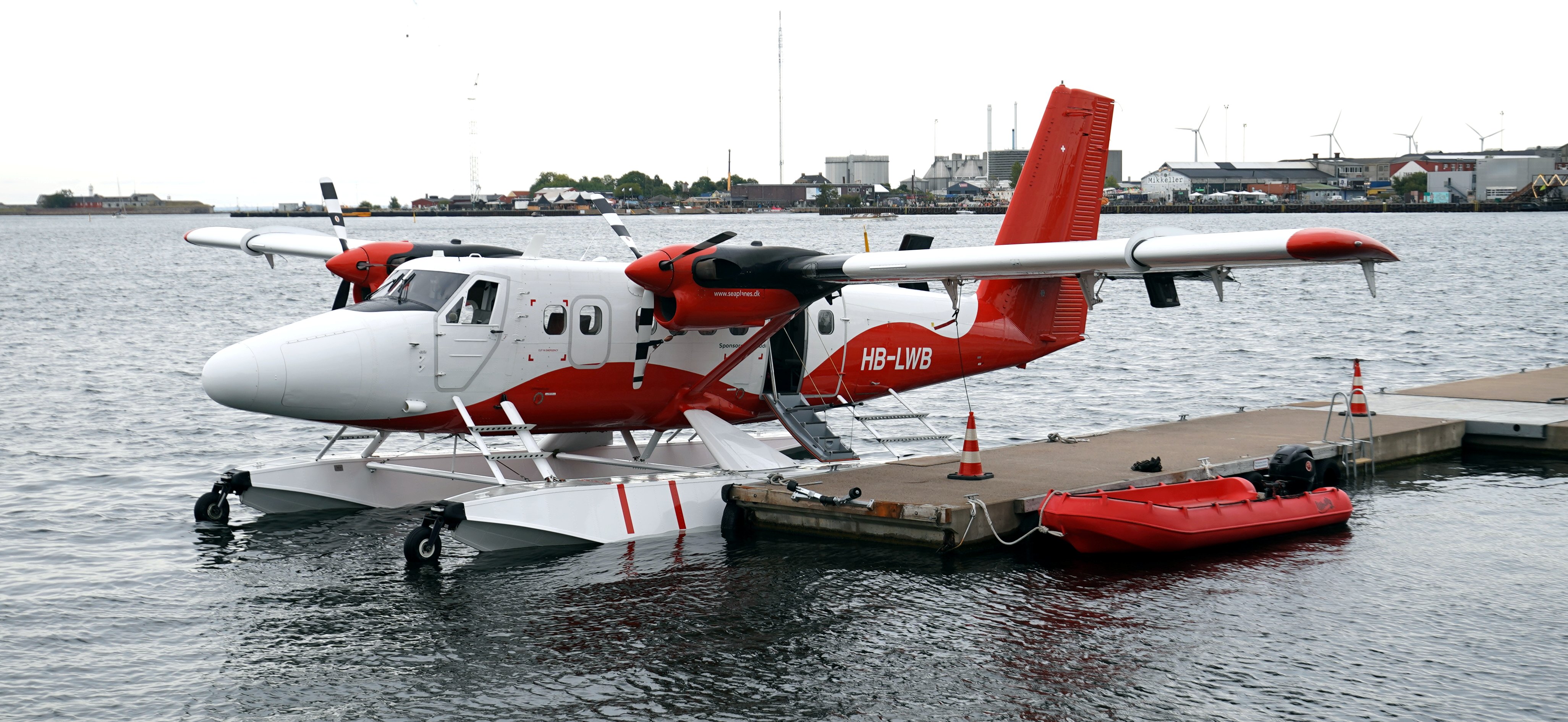
Find two long pontoons supported by struts. Retractable wheels identify an amphibious float installation.
Skis
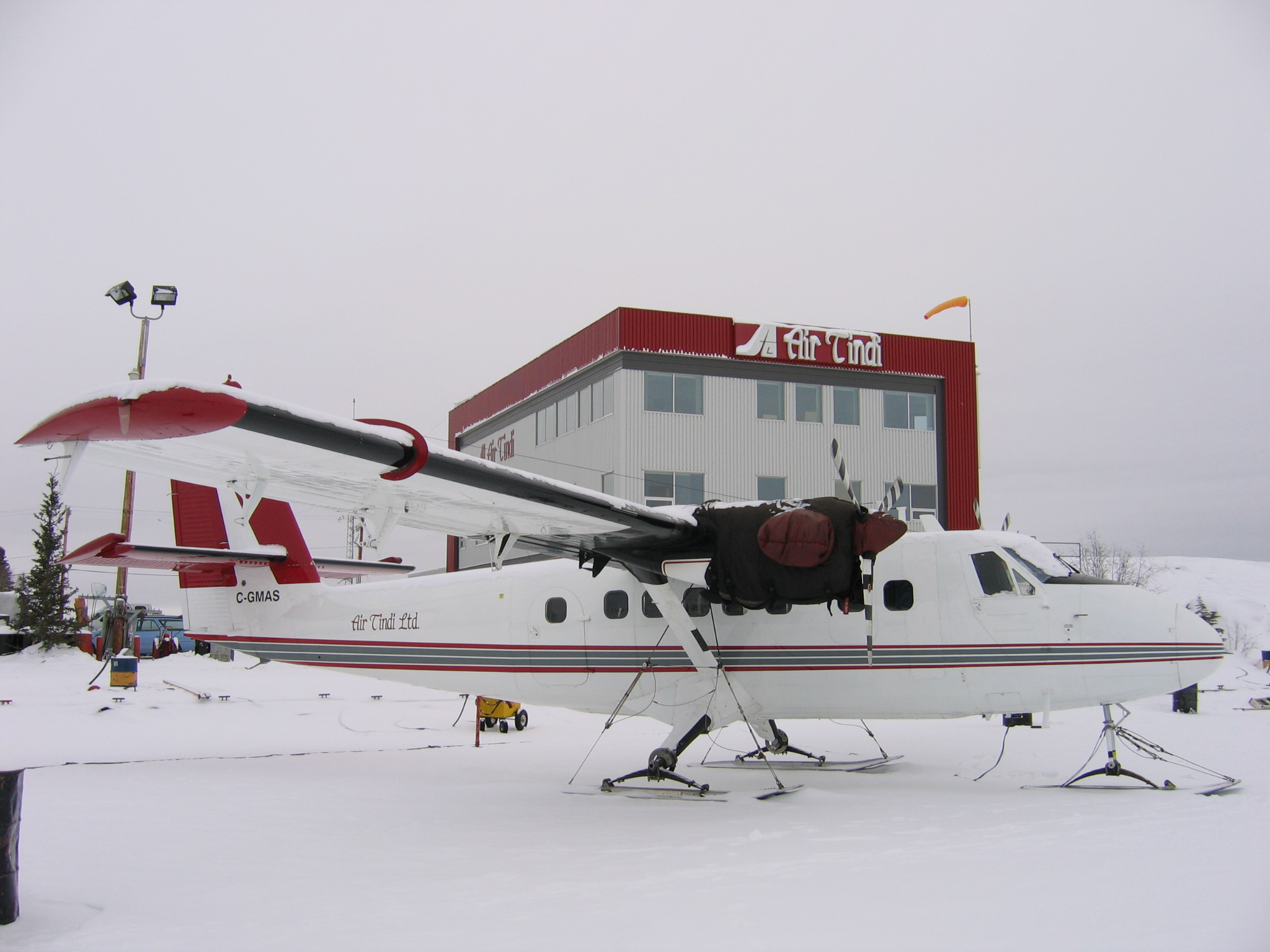
Look for broad ski runners around or under the wheels. The C-GMAS example has wheel skis.

Landing gear distinguishes the installation pictured. Verify the series and installed equipment against the registration, serial number and approved aircraft records.

Select a circle to see the marked area up close.

HB-LWB with amphibious floats

HB-LWB · Copenhagen Seaplane Terminal · 7 September 2022
HB-LWB · Copenhagen Seaplane Terminal · 7 September 2022Photo by Steve Knight
Photo sourceCC BY 2.0

Design & cabins

Technical notes

Design notes

  • The production lineage includes Series 100, 200, 300 and 400. The designation Classic 300-G belongs to the Series 400 certificate.
  • Wheels, straight floats, amphibious floats and skis describe equipment fits. Use the aircraft record and applicable flight manual supplement to establish the exact installation.

Advantages

  • The aircraft serves short-runway passenger, utility and cargo missions. Float and ski installations broaden its landing options.

Limitations

  • Payload, weight limits and performance depend on the series and configuration. Compare like installations when using published figures.
Family Technical Profile

De Havilland Canada DHC-6 Twin Otter is one of Aircraft manufacturer's platforms in its market segment, balancing capacity, range, airport compatibility, maintenance economics, and mission flexibility.

De Havilland Canada DHC-6 Twin Otter serves the narrowbody market with family commonality and multiple configurations.

Technical features

  • De Havilland Canada DHC-6 Twin Otter: Single-aisle fuselage efficiency · structure. A narrow fuselage reduces structural weight and airport footprint for high-frequency short and medium routes.
  • De Havilland Canada DHC-6 Twin Otter: High-cycle operating design · maintenance. Doors, landing gear, brakes, and systems are optimized for repeated daily sectors and quick turnarounds.
  • De Havilland Canada DHC-6 Twin Otter: Wing and high-lift devices · aerodynamics. Flaps, slats, and wingtip devices balance runway performance with cruise efficiency.
  • De Havilland Canada DHC-6 Twin Otter: Engine generation changes · engine. Engine nacelle, thrust rating, fuel burn, and noise standards define each production generation.
  • De Havilland Canada DHC-6 Twin Otter: Fleet commonality · operational_efficiency. Common flight decks and maintenance practices reduce training and support cost across subfleets.

Advantages

  • One platform can cover several capacity and mission bands.
  • Family design reduces training, maintenance, and spares complexity.
  • Engine, wingtip, avionics, or structural upgrades can extend lifecycle value.

Weaknesses

  • Configuration identification complexity. Visually similar aircraft can differ materially by engine, weight standard, cabin layout, and conversion status.
  • Generation-dependent economics. Older generations usually trail newer designs in fuel burn, noise, avionics, or maintenance intervals.
  • Market-fit limits. Every variant has an ideal capacity and range band; outside it, load factor, range, or cost can become limiting.

Markets

  • Network airline trunk or feeder markets
  • Leasing and fleet replacement markets
  • Regional, domestic, or international airline markets

Operators

  • Full-service network airlines
  • Low-cost or leisure airlines
  • Cargo, government, or special-mission operators

Routes and missions

  • High-frequency short or medium-haul trunk routes
  • Medium-density long-haul or cross-regional routes
  • Fleet replacement, supplementation, or special missions
Key terms
Amphibious float

A float with retractable wheels for land operation.

  • This system is part of the A330 operating architecture and interacts with flight-control, electrical, hydraulic, engine, or environmental systems.
  • Exact configuration varies across A330ceo, A330neo, freighter, and military derivatives.

Advantages. Improves operational reliability, economics, or mission flexibility. Uses a mature wide-body systems architecture to reduce operational risk.

Limitations. System complexity increases maintenance, training, and troubleshooting demands. Airline configuration and engine choice can change real-world performance.

Wheel ski

A ski installation that retains wheels for compatible hard surfaces.

  • This system is part of the A330 operating architecture and interacts with flight-control, electrical, hydraulic, engine, or environmental systems.
  • Exact configuration varies across A330ceo, A330neo, freighter, and military derivatives.

Advantages. Improves operational reliability, economics, or mission flexibility. Uses a mature wide-body systems architecture to reduce operational risk.

Limitations. System complexity increases maintenance, training, and troubleshooting demands. Airline configuration and engine choice can change real-world performance.

Development & service

  • The Twin Otter is a high-wing, twin-turboprop utility aircraft developed by De Havilland Canada for short take-offs and landings. Approved installations include wheels, floats and skis. Its first flight was on 20 May 1965.

Sources