Harbin Y-12 Family

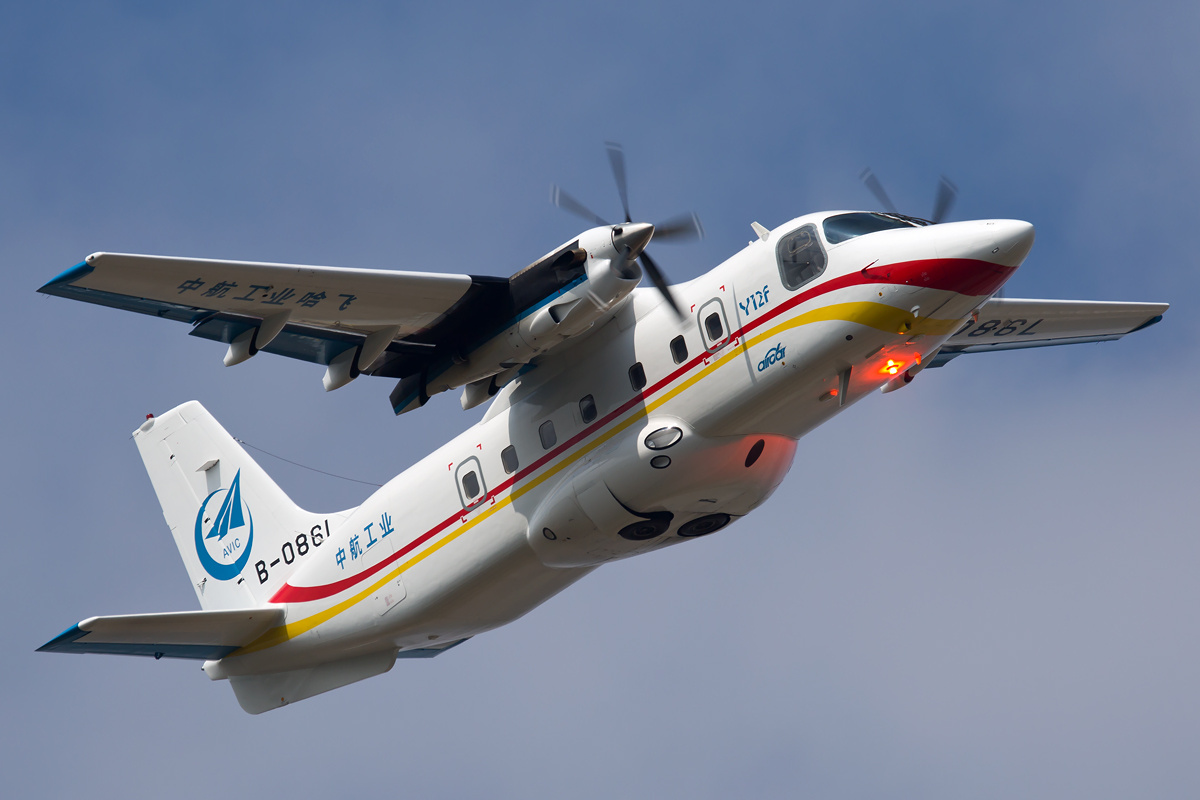
Harbin's Y-12 family includes early fixed-gear regional turboprops and the later Y12F, with retractable landing gear and a different propulsion installation.

Models at a glance

Harbin Y12 IV

The Y12 IV is a fixed-gear version with PT6A-27 engines. The New Zealand type acceptance report records FAA certificate A00006WI, issued in March 1995.

Length
Unavailable
Wingspan
Unavailable
Published seating
18–19Y12 IV seating described in the New Zealand acceptance report
Engine options
PT6A-27
Main landing gear
Fixed tricycle
Sources

Identification

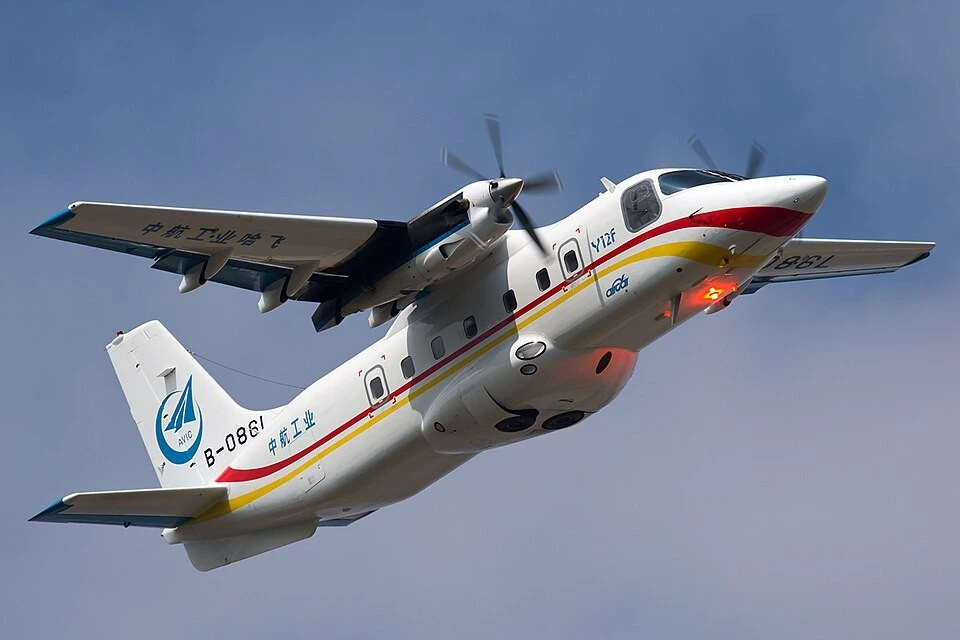
Y12F retractable landing gear
In clean flight the wheels retract on the F. Use the lower fuselage and main-gear area to check the mechanism.
Earlier fixed wheels
The earlier wheeled layout keeps undercarriage exposed in flight, as on the wheeled Twin Otter. Confirm II or IV with the airframe record.

A high wing and two propellers are shared with the Twin Otter. Compare gear geometry, the complete silhouette and exact registration.

Select a circle to see the marked area up close.

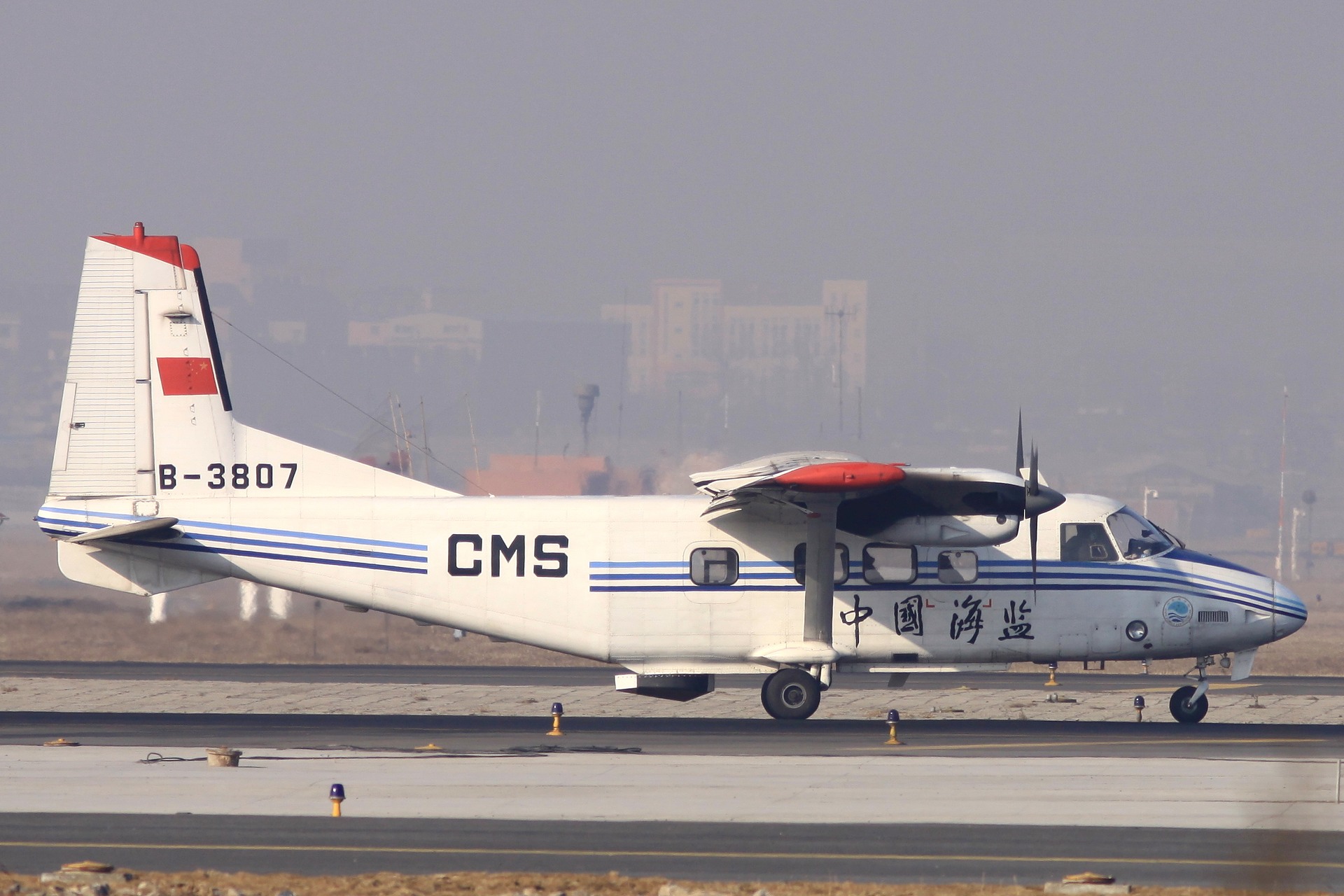
Harbin Y12 II

China Marine Surveillance B-3807 at Dalian Airport, 31 January 2010. Image resized for display.
China Marine Surveillance B-3807 at Dalian Airport, 31 January 2010. Image resized for display.Photo by Kentaro Iemoto from Tokyo, Japan
Photo sourceCC BY-SA 2.0

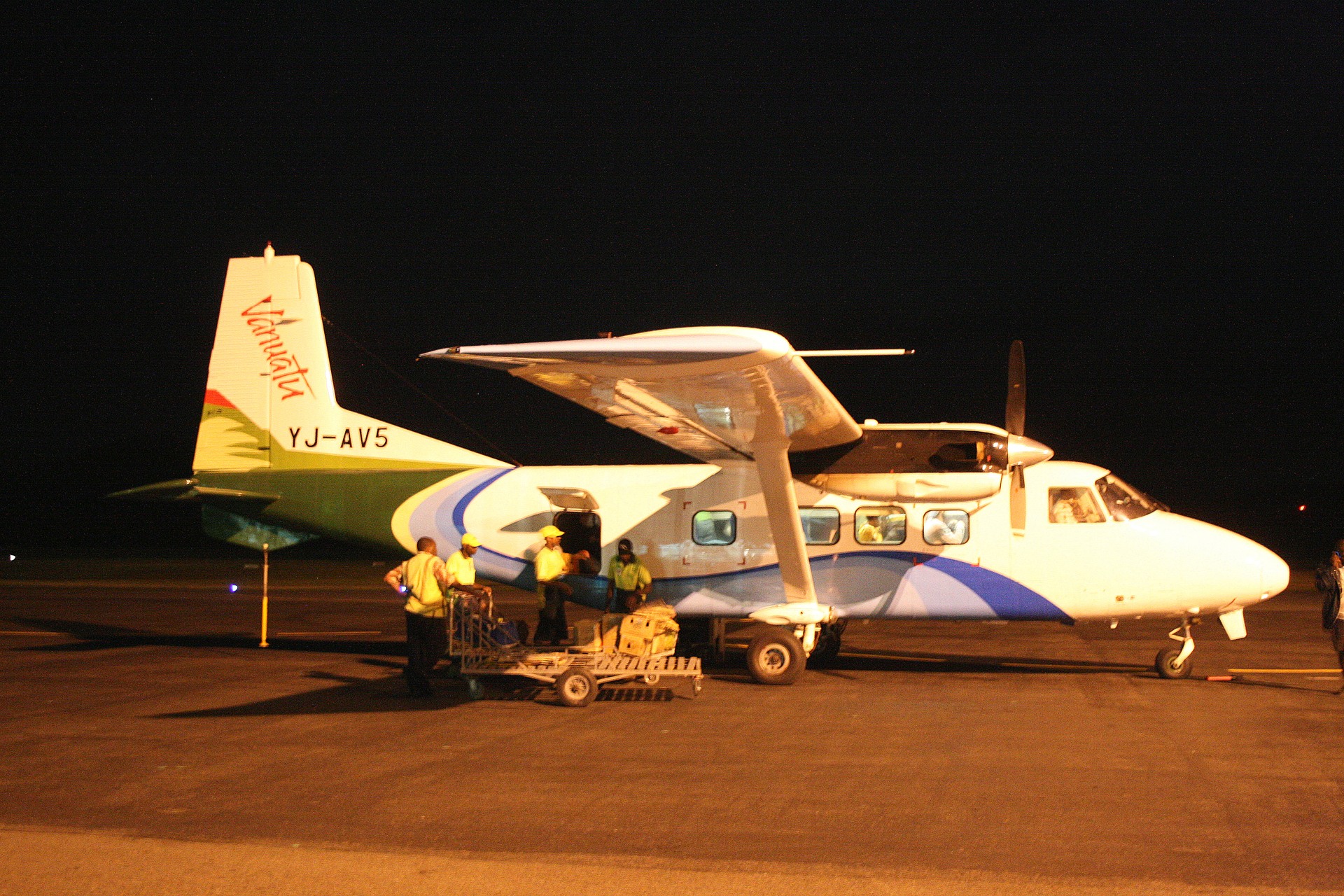
Air Vanuatu Harbin Y12 IV

YJ-AV5 at Bauerfield International Airport, Port Vila, 29 October 2009. Image resized for display.
YJ-AV5 at Bauerfield International Airport, Port Vila, 29 October 2009. Image resized for display.Photo by YSSYguy at English Wikipedia
Photo sourceCC BY-SA 3.0

Design & cabins

Technical notes

Design notes

  • The New Zealand civil aviation authority traces the Y-12 to the preceding Y-11 and records the first Y-12 prototype flight in 1982.
  • The Y12 II and Y12 IV share the PT6A-27 installation. EASA's Y12F type certificate lists PT6A-65B engines, five-blade propellers and retractable tricycle landing gear.
  • The wheel-equipped Twin Otter Series 400 is a useful fixed-gear comparison. Compare photographs taken in flight, with the lower fuselage and main wheels visible.

Limitations

  • A broad Y12 label leaves the series open. Confirm II, IV or F from the aircraft record when the photograph does not resolve it.
Family Technical Profile

Harbin Y-12 Family is one of Aircraft manufacturer's platforms in its market segment, balancing capacity, range, airport compatibility, maintenance economics, and mission flexibility.

Harbin Y-12 Family serves the narrowbody market with family commonality and multiple configurations.

Technical features

  • Harbin Y-12 Family: Single-aisle fuselage efficiency · structure. A narrow fuselage reduces structural weight and airport footprint for high-frequency short and medium routes.
  • Harbin Y-12 Family: High-cycle operating design · maintenance. Doors, landing gear, brakes, and systems are optimized for repeated daily sectors and quick turnarounds.
  • Harbin Y-12 Family: Wing and high-lift devices · aerodynamics. Flaps, slats, and wingtip devices balance runway performance with cruise efficiency.
  • Harbin Y-12 Family: Engine generation changes · engine. Engine nacelle, thrust rating, fuel burn, and noise standards define each production generation.
  • Harbin Y-12 Family: Fleet commonality · operational_efficiency. Common flight decks and maintenance practices reduce training and support cost across subfleets.

Advantages

  • One platform can cover several capacity and mission bands.
  • Family design reduces training, maintenance, and spares complexity.
  • Engine, wingtip, avionics, or structural upgrades can extend lifecycle value.

Weaknesses

  • Configuration identification complexity. Visually similar aircraft can differ materially by engine, weight standard, cabin layout, and conversion status.
  • Generation-dependent economics. Older generations usually trail newer designs in fuel burn, noise, avionics, or maintenance intervals.
  • Market-fit limits. Every variant has an ideal capacity and range band; outside it, load factor, range, or cost can become limiting.

Markets

  • Network airline trunk or feeder markets
  • Leasing and fleet replacement markets
  • Regional, domestic, or international airline markets

Operators

  • Full-service network airlines
  • Low-cost or leisure airlines
  • Cargo, government, or special-mission operators

Routes and missions

  • High-frequency short or medium-haul trunk routes
  • Medium-density long-haul or cross-regional routes
  • Fleet replacement, supplementation, or special missions
Sources