G-SGTS on wheels
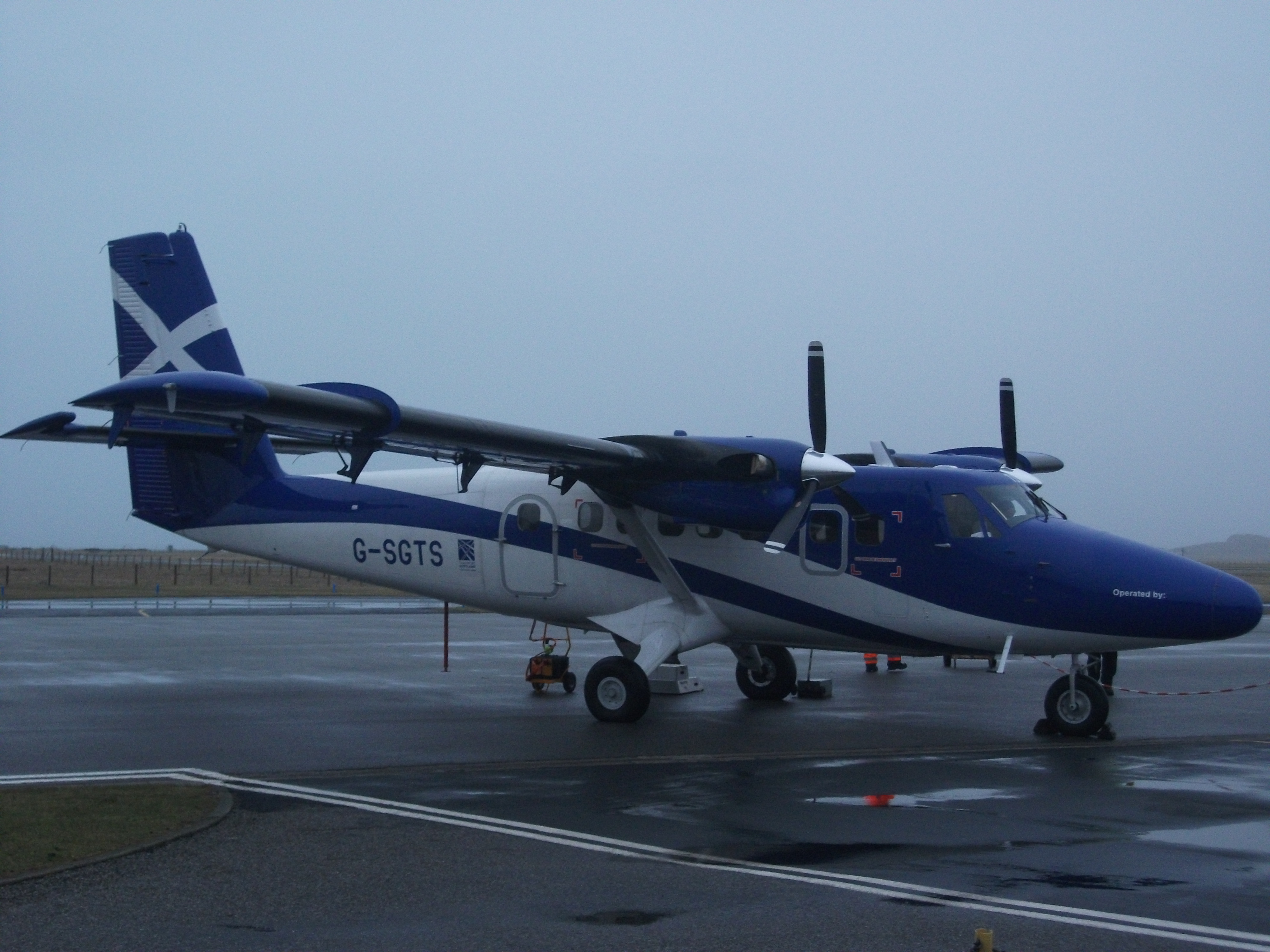
G-SGTS · Tiree Airport · 13 April 2015Photo by goldencondor
Photo sourceCC BY-SA 2.0The third production series uses PT6A-27 engines. Transport Canada records higher certified weights and changes to the forward exits relative to the earlier series.
Use these features to recognise the De Havilland Canada DHC-6 Twin Otter. Check the aircraft or programme record for the DHC-6 Series 300 designation.
Landing gear distinguishes the installation pictured. Verify the series and installed equipment against the registration, serial number and approved aircraft records.
Select a circle to see the marked area up close.
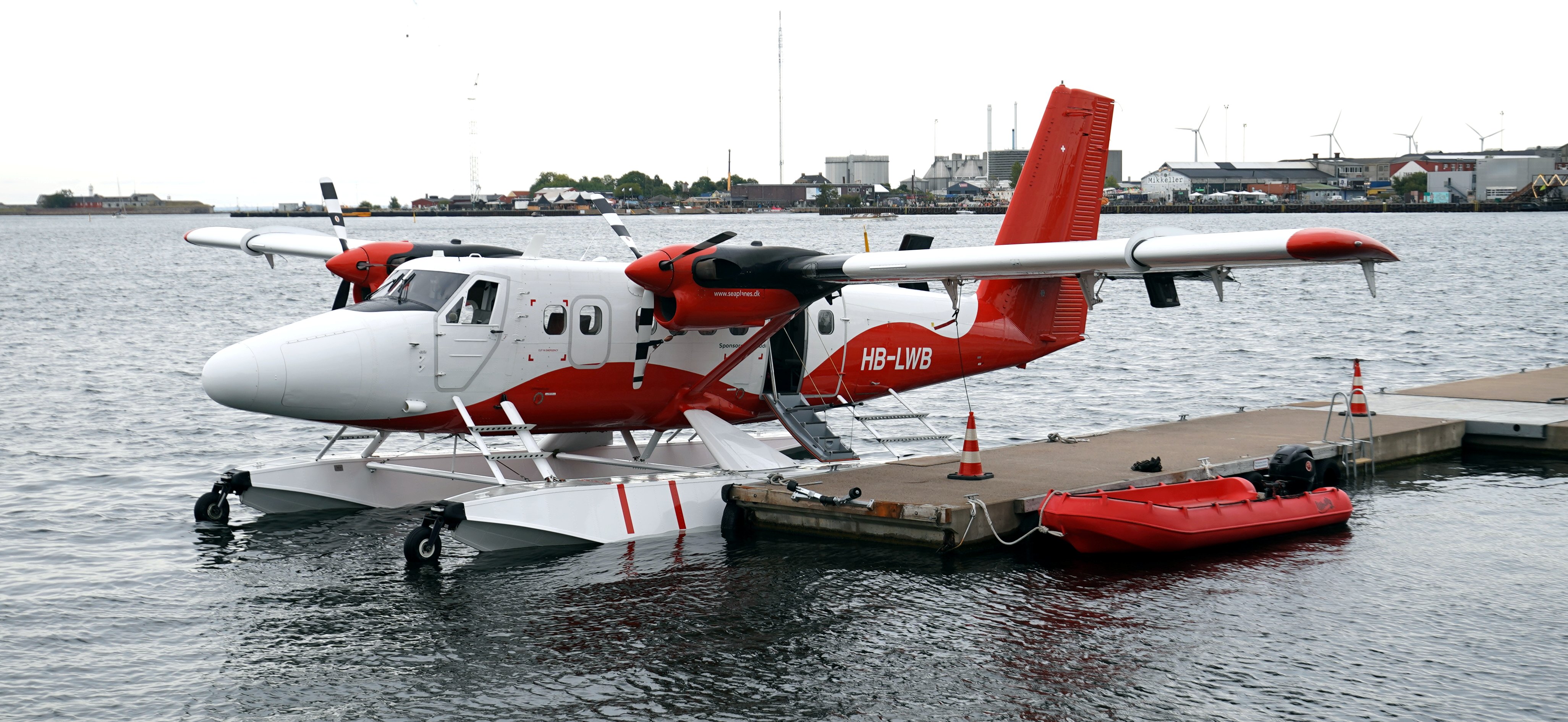
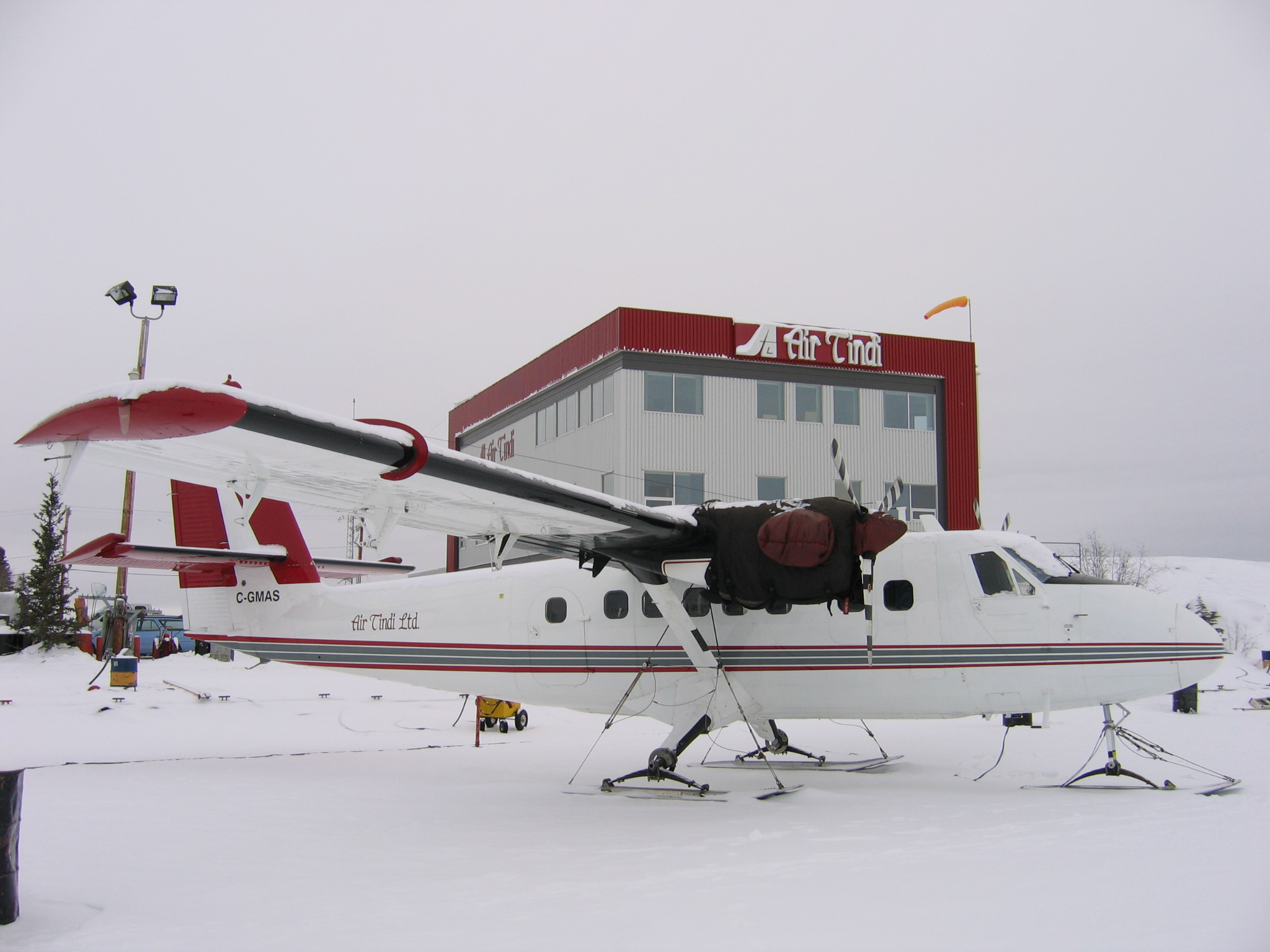
Comparing DHC-6 Series 300 with DHC-6 Series 400.
| Specification | DHC-6 Series 300 | DHC-6 Series 400 |
|---|---|---|
| Length | Unavailable | 15.77 m |
| Wingspan | Unavailable | 19.81 m |
| Maximum take-off weight | 5.67 t12,500 lb · Series 300 maximum for the listed configuration | 5.67 t12,500 lb · configuration-specific flight limitations apply |
| Maximum payload | Unavailable | Unavailable |
| Fuel tank capacity | Unavailable | Unavailable |
| Engine options | PT6A-27 | PT6A-34 · PT6A-27 |
| Typical two-class seats | Unavailable | Unavailable |
| Published range | Unavailable | 763 nmiZero payload · standard tanks · wheels |
A dash indicates that a verified figure is unavailable. Figures follow the configuration specified by each source.
See the engine encyclopedia for ratings and aircraft applications.
DHC-6 Series 300 uses the PT6A-27 engine in the documented configuration.
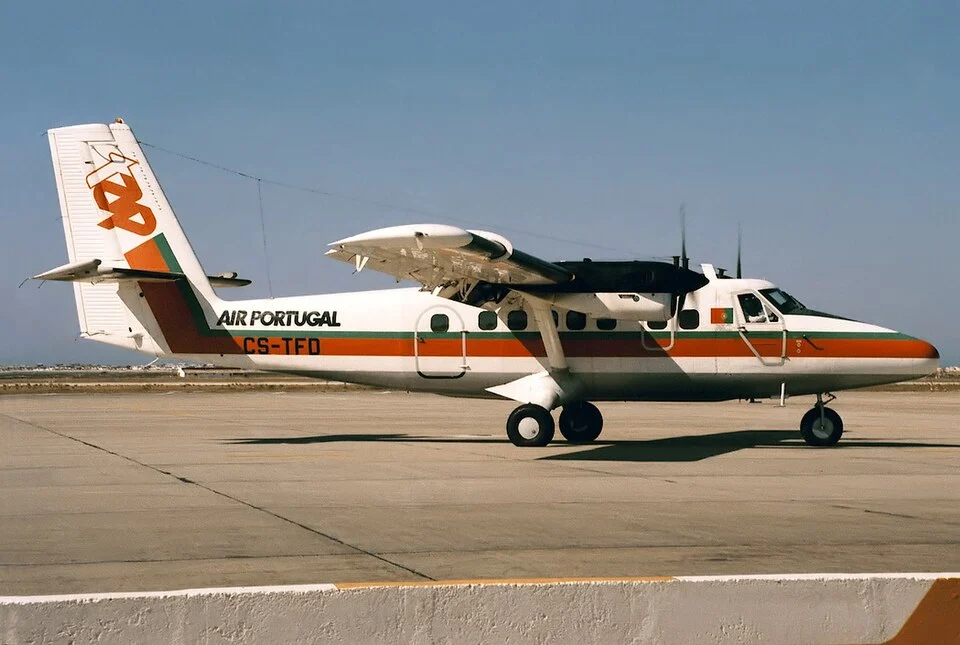
DHC-6 Series 300 is a specific configuration within De Havilland Canada DHC-6 Twin Otter, developed to cover a defined capacity, range, payload, or mission requirement inside the wider family.
DHC-6 Series 300 is positioned as a capacity/range-specific solution within the narrowbody segment, serving routes better matched than sibling variants.
Loading photographs…
