G-SGTS on wheels
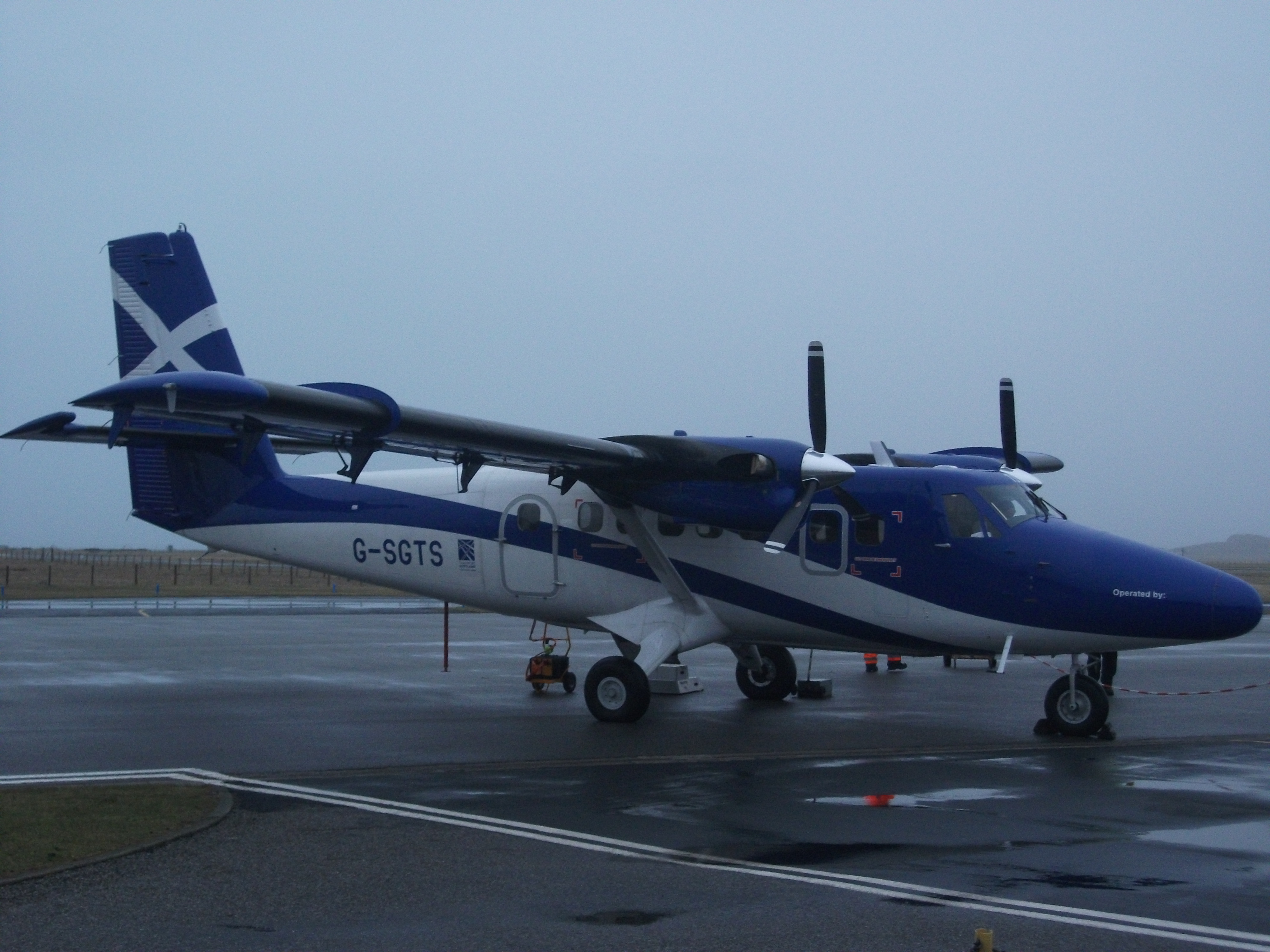
G-SGTS · Tiree Airport · 13 April 2015Photo by goldencondor
Photo sourceCC BY-SA 2.0The Series 100 is the first production Twin Otter series, with PT6A-20 turboprops and an originally short nose.
Use these features to recognise the De Havilland Canada DHC-6 Twin Otter. Check the aircraft or programme record for the DHC-6 Series 100 designation.
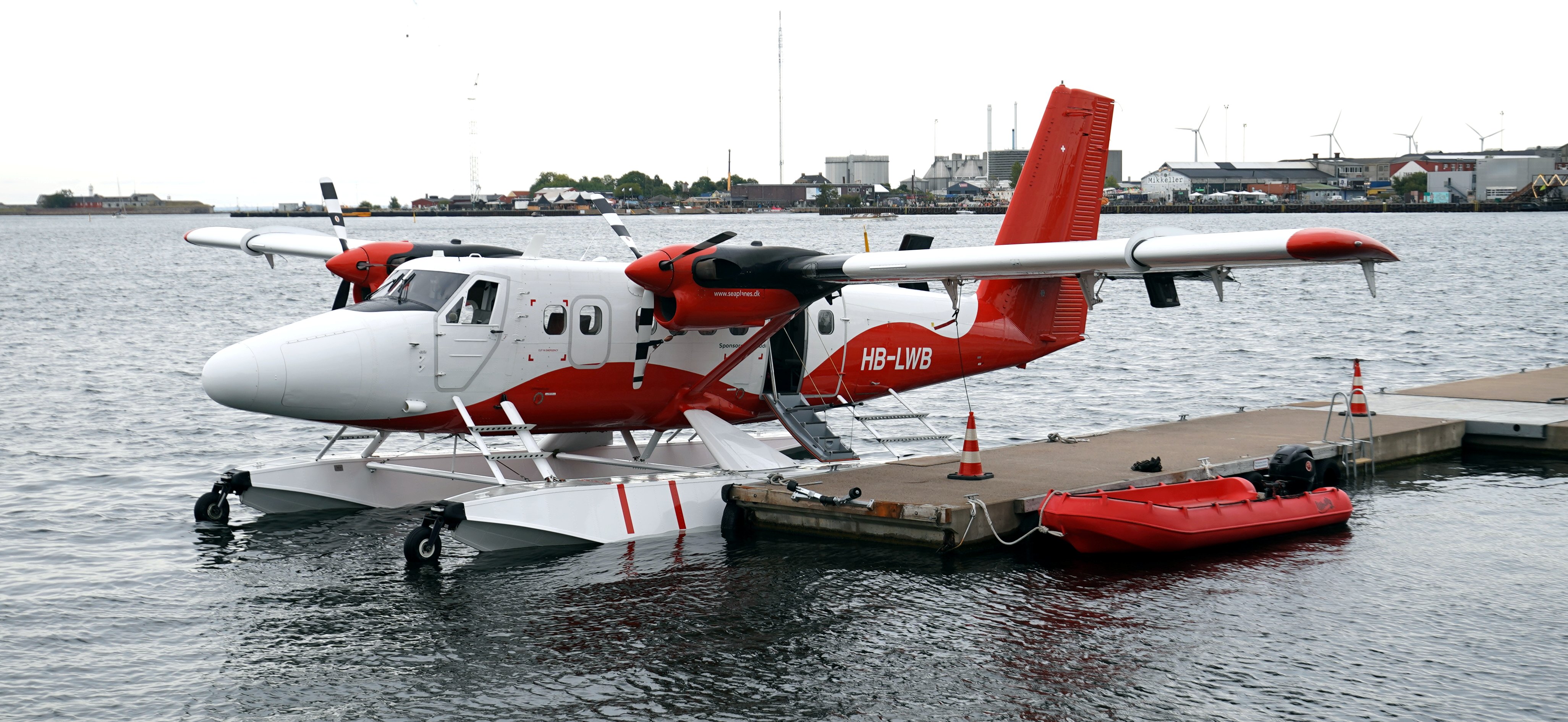
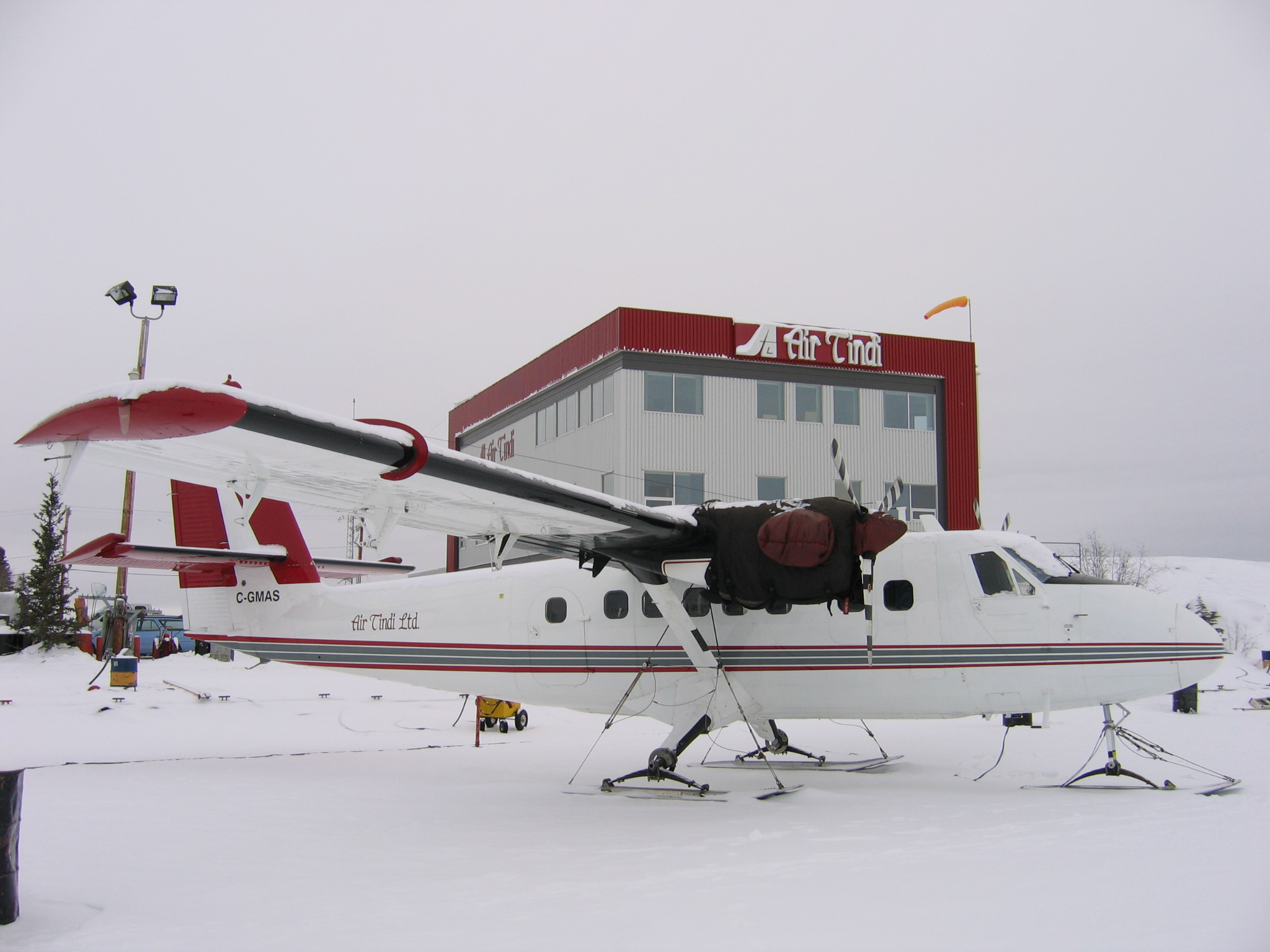
Landing gear distinguishes the installation pictured. Verify the series and installed equipment against the registration, serial number and approved aircraft records.
Select a circle to see the marked area up close.
| Specification | DHC-6 Series 100 | Choose a model |
|---|---|---|
| Length | Unavailable | |
| Wingspan | Unavailable | |
| Maximum take-off weight | Unavailable | |
| Maximum payload | Unavailable | |
| Fuel tank capacity | Unavailable | |
| Engine options | PT6A-20 | |
| Typical two-class seats | Unavailable | |
| Published range | Unavailable |
A dash indicates that a verified figure is unavailable. Figures follow the configuration specified by each source.
See the engine encyclopedia for ratings and aircraft applications.
The production Series 100 originally used the short nose. The type certificate allows alternative nose configurations in defined installations, so the nose alone cannot confirm the series.
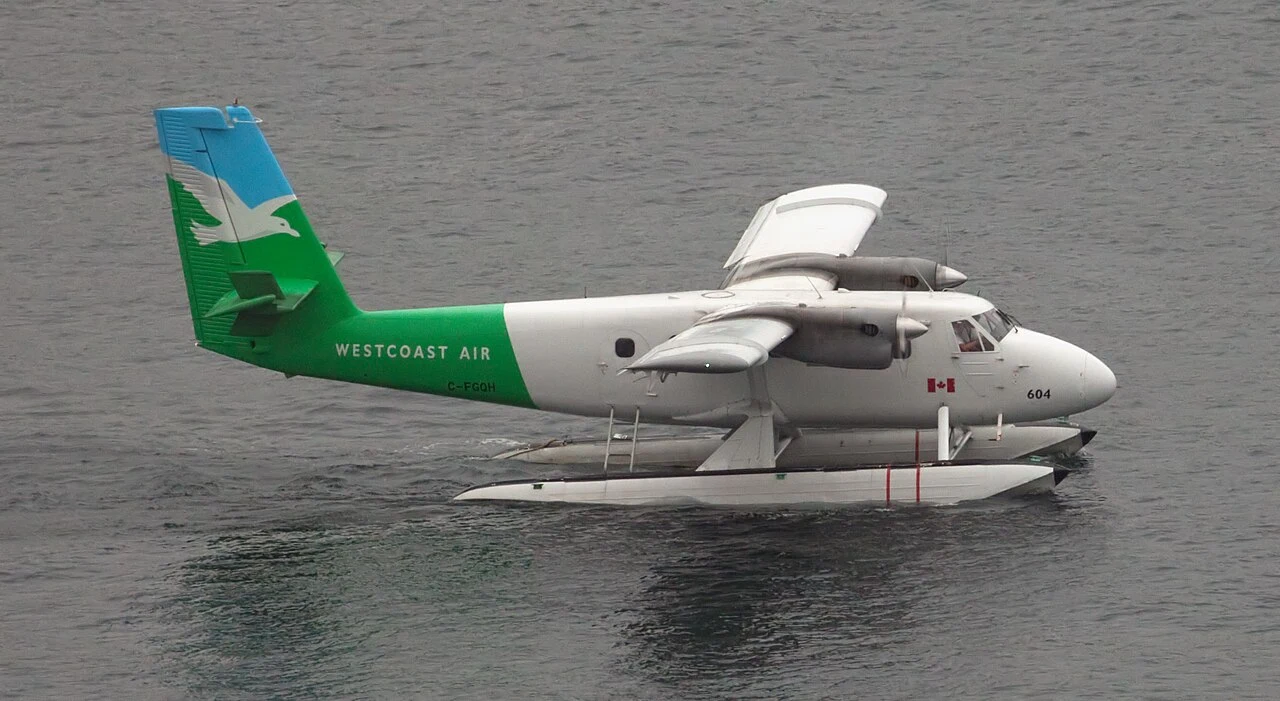
DHC-6 Series 100 is a specific configuration within De Havilland Canada DHC-6 Twin Otter, developed to cover a defined capacity, range, payload, or mission requirement inside the wider family.
DHC-6 Series 100 is positioned as a capacity/range-specific solution within the narrowbody segment, serving routes better matched than sibling variants.
Loading photographs…
