G-SGTS on wheels
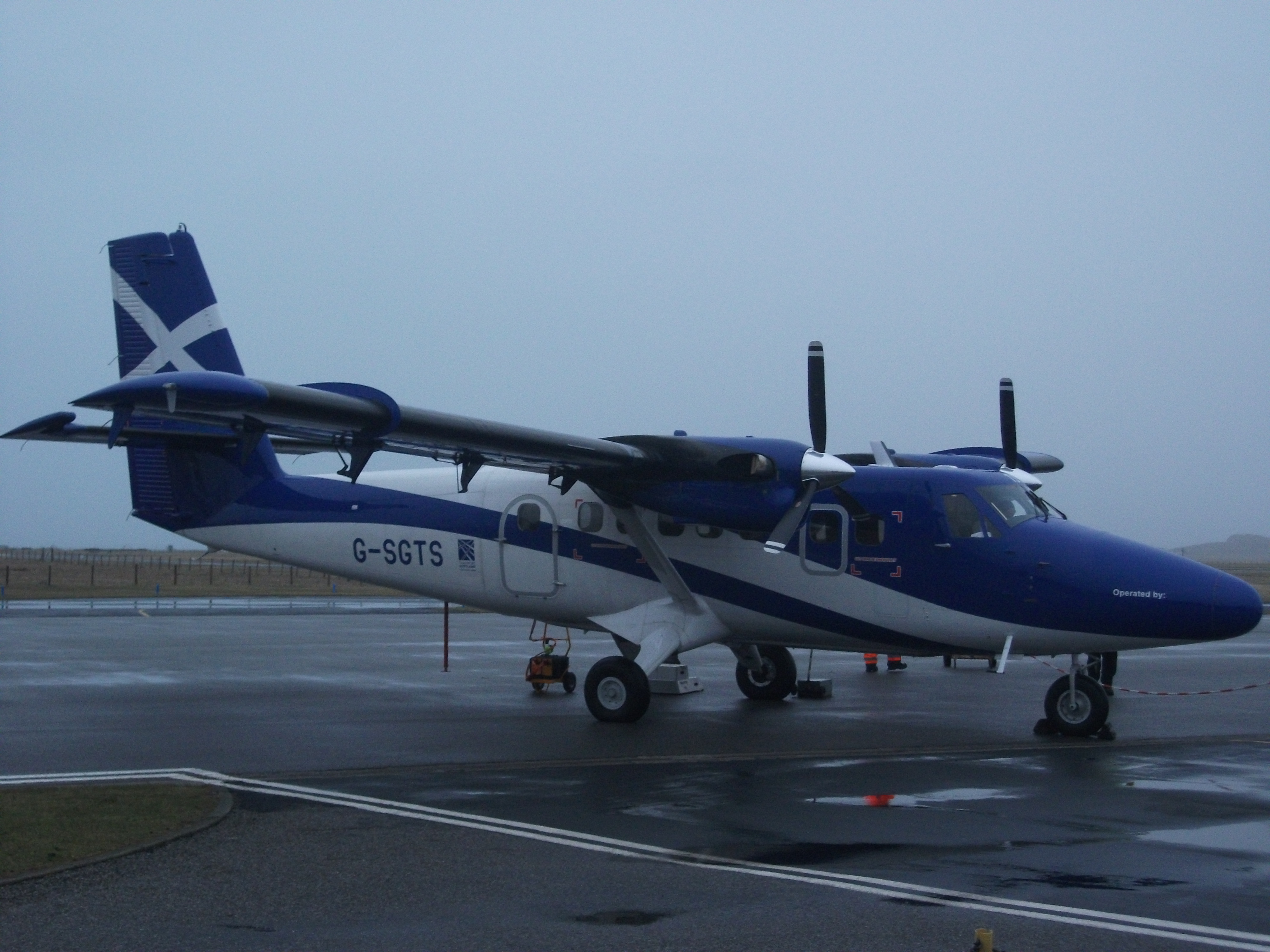
G-SGTS · Tiree Airport · 13 April 2015Photo by goldencondor
Photo sourceCC BY-SA 2.0The fourth production series introduced a modern integrated flight deck and upgraded electrical equipment. EASA Issue 6 lists PT6A-34 engines and the later approved PT6A-27 option.
Landing gear distinguishes the installation pictured. Verify the series and installed equipment against the registration, serial number and approved aircraft records.
Select a circle to see the marked area up close.
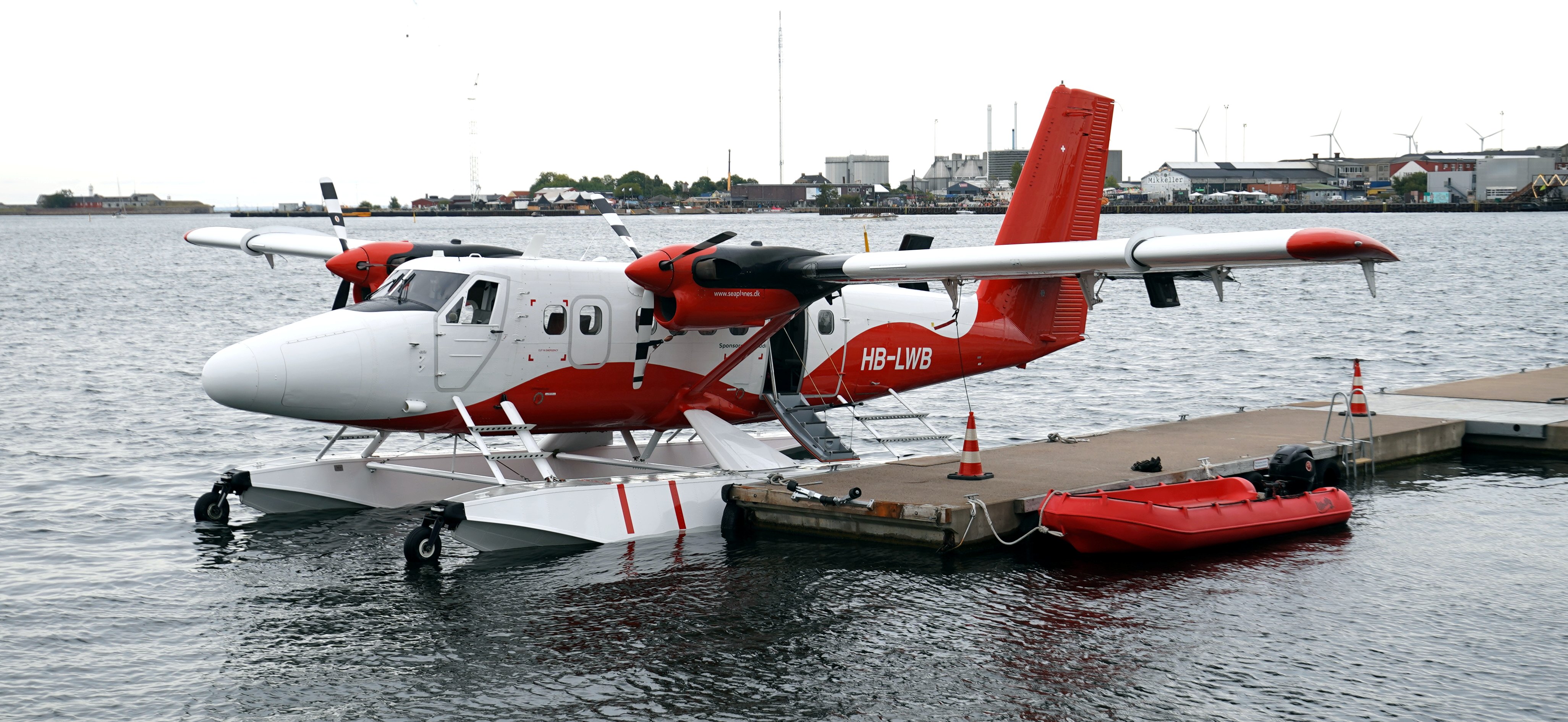
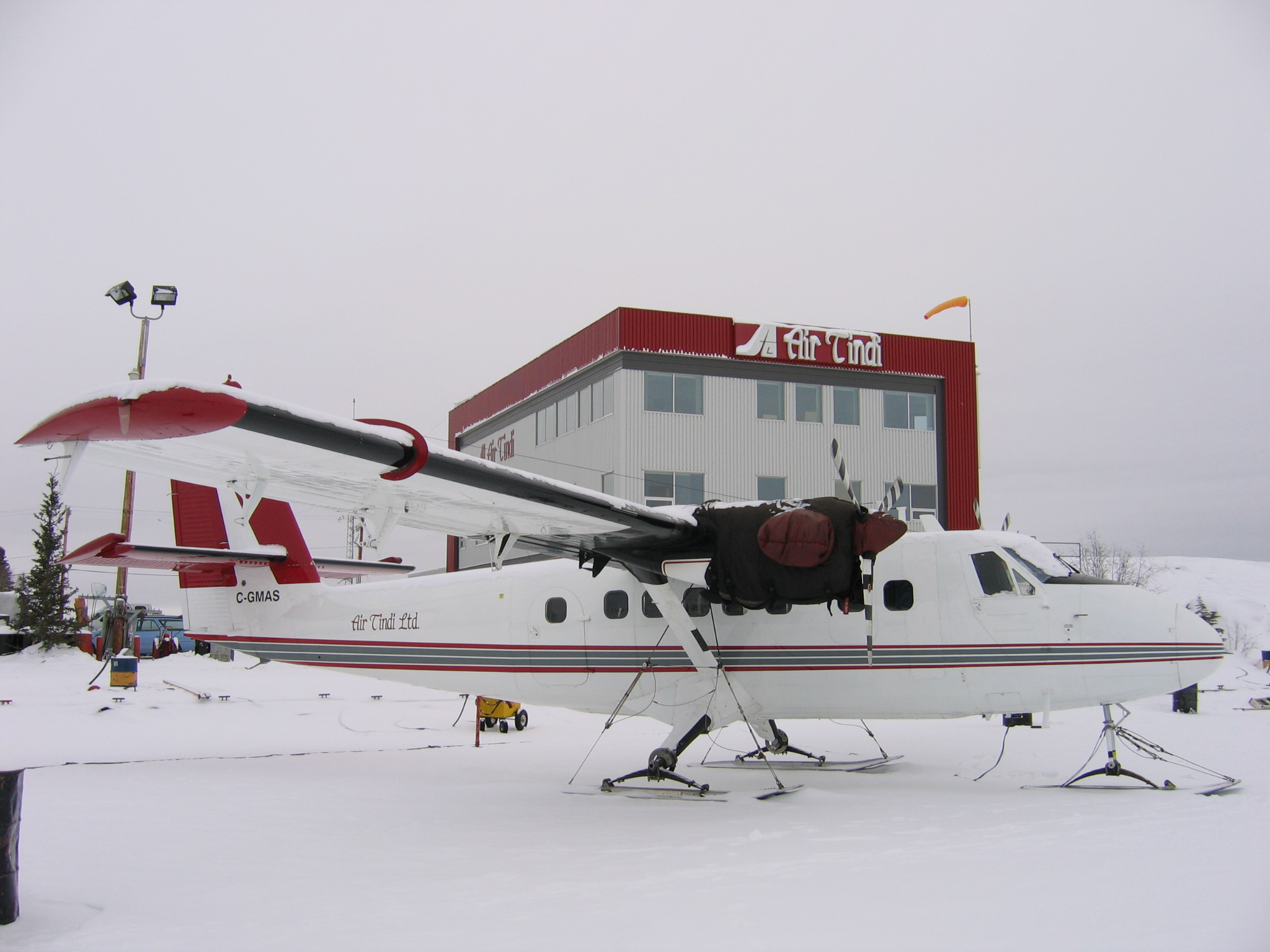
Comparing DHC-6 Series 400 with DHC-6 Series 300.
| Specification | DHC-6 Series 400 | DHC-6 Series 300 |
|---|---|---|
| Length | 15.77 m | Unavailable |
| Wingspan | 19.81 m | Unavailable |
| Maximum take-off weight | 5.67 t12,500 lb · configuration-specific flight limitations apply | 5.67 t12,500 lb · Series 300 maximum for the listed configuration |
| Maximum payload | Unavailable | Unavailable |
| Fuel tank capacity | Unavailable | Unavailable |
| Engine options | PT6A-34 · PT6A-27 | PT6A-27 |
| Typical two-class seats | Unavailable | Unavailable |
| Published range | 763 nmiZero payload · standard tanks · wheels | Unavailable |
A dash indicates that a verified figure is unavailable. Figures follow the configuration specified by each source.
Classic 300-G is the marketing designation recorded by EASA for the DHC-6 Series 400 starting with serial number 998. Its updated flight deck uses Garmin G1000 NXi.
See the engine encyclopedia for ratings and aircraft applications.
See the engine encyclopedia for ratings and aircraft applications.
DHC-6 Series 400 is a specific configuration within De Havilland Canada DHC-6 Twin Otter, developed to cover a defined capacity, range, payload, or mission requirement inside the wider family.
DHC-6 Series 400 is positioned as a capacity/range-specific solution within the narrowbody segment, serving routes better matched than sibling variants.
Loading photographs…