Harbin Y12 IV

The Y12 IV is a fixed-gear version with PT6A-27 engines. The New Zealand type acceptance report records FAA certificate A00006WI, issued in March 1995.

Engine options
PT6A-27

Identification

Fixed wheels
The IV retains exposed wheels after take-off.
Sweptback wingtips
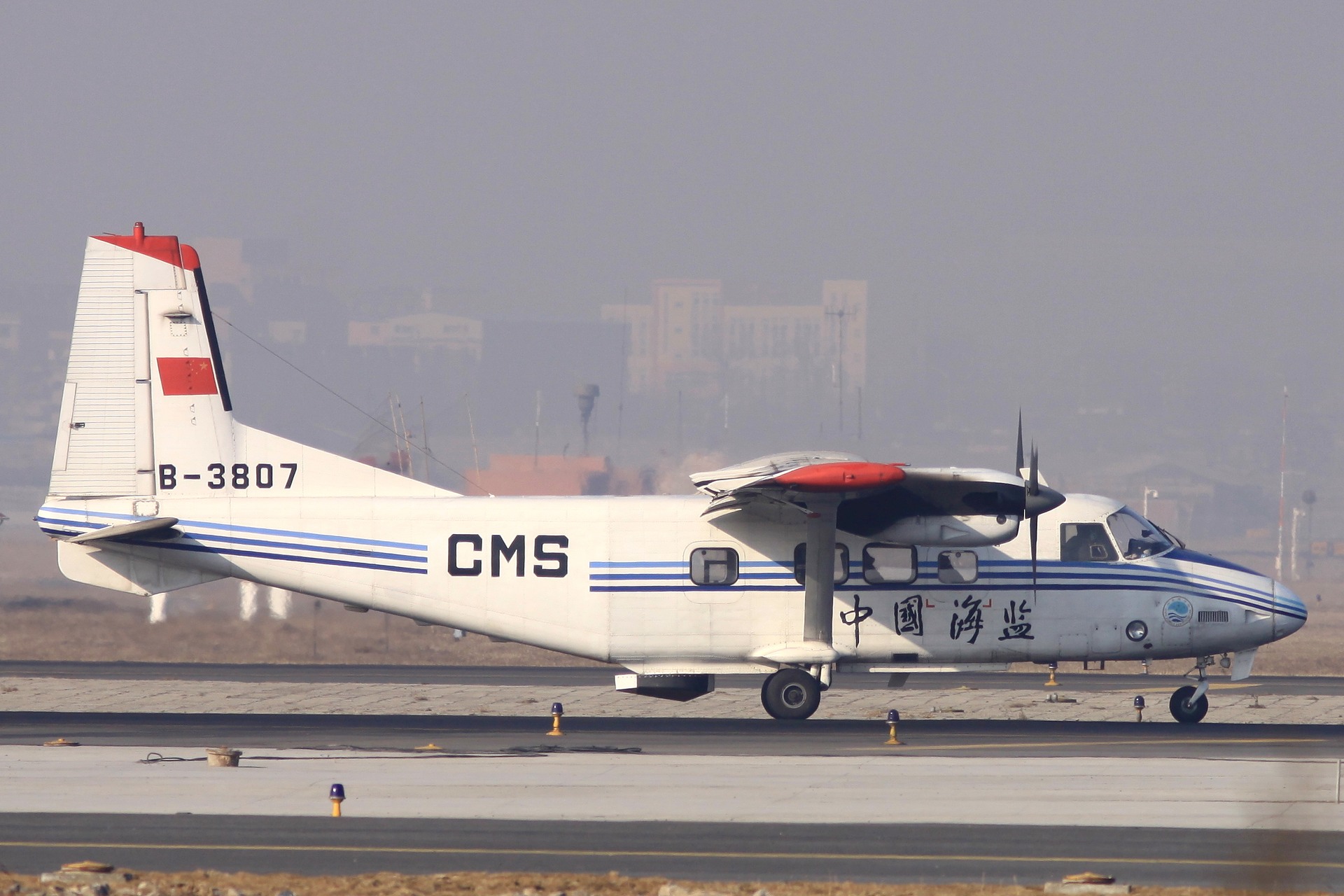
Compare the outer wingtip profile against a confirmed Y12 II.

A clear view of the wingtip helps, and an aircraft record resolves cases where the outline cannot be seen.

Select a circle to see the marked area up close.

Air Vanuatu Harbin Y12 IV
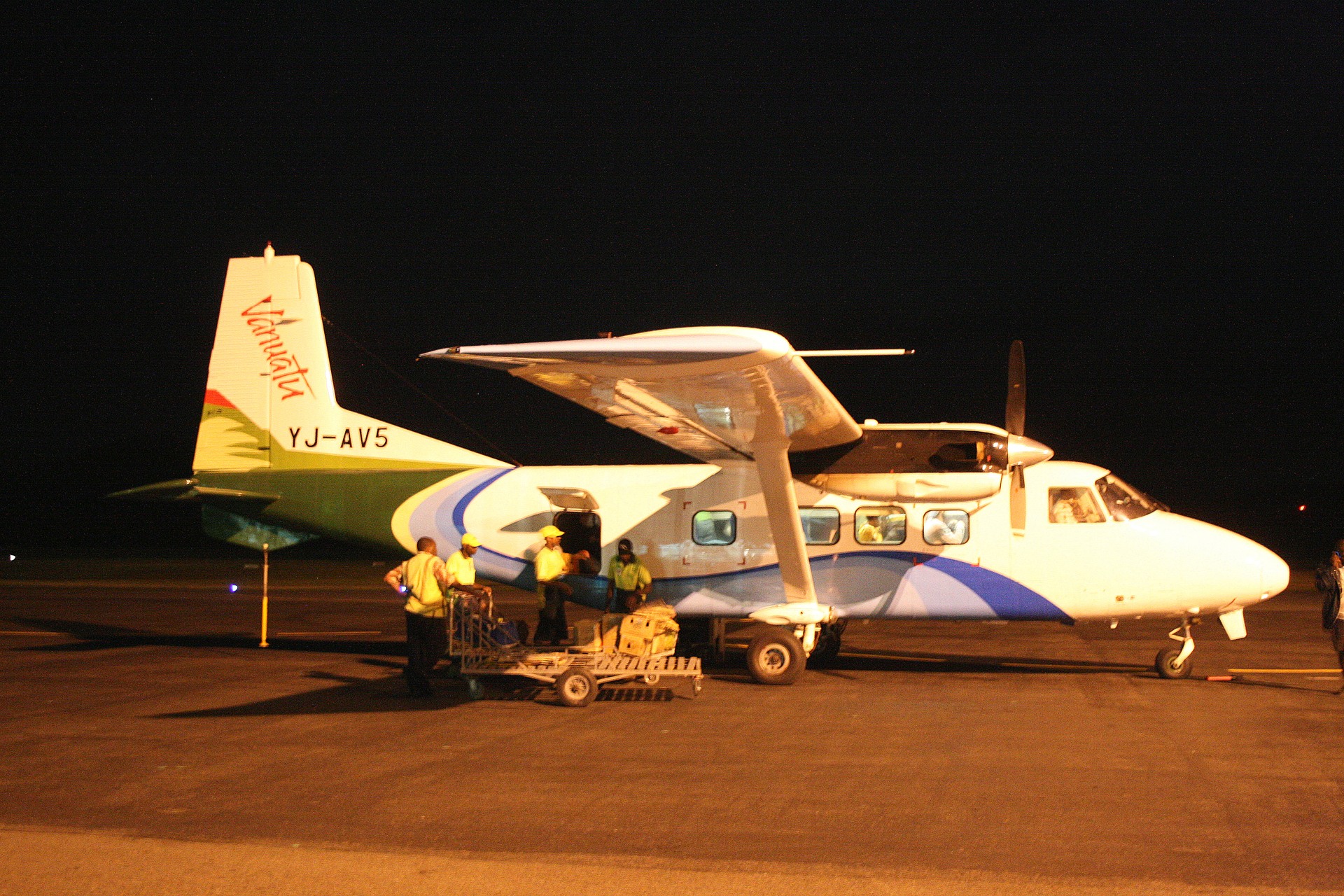
YJ-AV5 at Bauerfield International Airport, Port Vila, 29 October 2009. Image resized for display.
YJ-AV5 at Bauerfield International Airport, Port Vila, 29 October 2009. Image resized for display.Photo by YSSYguy at English Wikipedia
Photo sourceCC BY-SA 3.0

Harbin Y12 II

China Marine Surveillance B-3807 at Dalian Airport, 31 January 2010. Image resized for display.
China Marine Surveillance B-3807 at Dalian Airport, 31 January 2010. Image resized for display.Photo by Kentaro Iemoto from Tokyo, Japan
Photo sourceCC BY-SA 2.0

Compare models

Current aircraftHarbin Y12 IV
Compare with

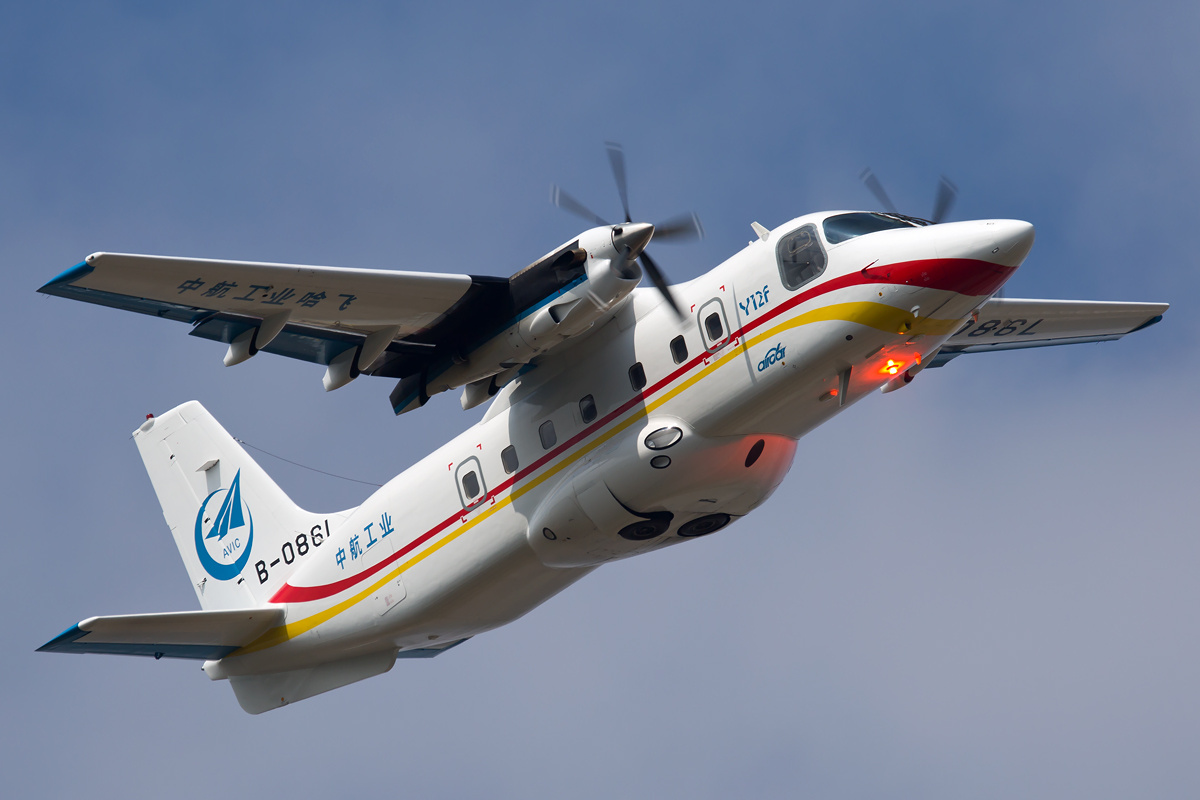
Comparing Harbin Y12 IV with Harbin Y12F.

SpecificationHarbin Y12 IVHarbin Y12F
LengthUnavailable16.47 m
WingspanUnavailable19.89 m
Maximum take-off weight5.67 t8.4 t
Maximum payloadUnavailableUnavailable
Fuel tank capacityUnavailableUnavailable
Engine optionsPT6A-27PT6A-65B
Typical two-class seatsUnavailableUnavailable
Published rangeUnavailableUnavailable

A dash indicates that a verified figure is unavailable. Figures follow the configuration specified by each source.

Comparison sources

Design & cabins

Technical notes

Design notes

  • The New Zealand acceptance report gives a maximum take-off mass of 12,500 lb (5,670 kg) and identifies the fixed undercarriage.
  • Fixed wheels remain exposed in flight, a useful cue against the Y12F. A wheel-equipped Twin Otter Series 400 also carries fixed gear, so use model markings and the full silhouette as additional cues.
Variant Technical Profile

Harbin Y12 IV is a specific configuration within Harbin Y-12 Family, developed to cover a defined capacity, range, payload, or mission requirement inside the wider family.

Harbin Y12 IV is positioned as a capacity/range-specific solution within the narrowbody segment, serving routes better matched than sibling variants.

Technical features

  • Harbin Y12 IV: Single-aisle fuselage efficiency · structure. A narrow fuselage reduces structural weight and airport footprint for high-frequency short and medium routes.
  • Harbin Y12 IV: High-cycle operating design · maintenance. Doors, landing gear, brakes, and systems are optimized for repeated daily sectors and quick turnarounds.
  • Harbin Y12 IV: Wing and high-lift devices · aerodynamics. Flaps, slats, and wingtip devices balance runway performance with cruise efficiency.
  • Harbin Y12 IV: Engine generation changes · engine. Engine nacelle, thrust rating, fuel burn, and noise standards define each production generation.
  • Harbin Y12 IV: Fleet commonality · operational_efficiency. Common flight decks and maintenance practices reduce training and support cost across subfleets.

Advantages

  • Provides a more precise capacity or range match within the family.
  • Retains training, maintenance, and parts commonality with sibling variants.
  • Lets operators tune engine, cabin, and payload choices to route needs.

Weaknesses

  • Configuration identification complexity. Visually similar aircraft can differ materially by engine, weight standard, cabin layout, and conversion status.
  • Generation-dependent economics. Older generations usually trail newer designs in fuel burn, noise, avionics, or maintenance intervals.
  • Market-fit limits. Every variant has an ideal capacity and range band; outside it, load factor, range, or cost can become limiting.

Markets

  • Network airline trunk or feeder markets
  • Leasing and fleet replacement markets
  • Regional, domestic, or international airline markets

Operators

  • Full-service network airlines
  • Low-cost or leisure airlines
  • Cargo, government, or special-mission operators

Routes and missions

  • High-frequency short or medium-haul trunk routes
  • Medium-density long-haul or cross-regional routes
  • Fleet replacement, supplementation, or special missions

Sibling comparison

  • smaller sibling variants. Usually provides more seats, cargo volume, or thrust demand, but can be harder to fill on thinner routes.
  • larger or longer-range sibling variants. Usually has lower acquisition and operating exposure, but less range, payload, or growth margin.

Sources