Home/Encyclopedia/Boeing/Boeing 717 Family

Boeing 717 Family

The Boeing 717 is the production identity of the MD-95, a compact rear-engined jet optimized for short and medium sectors where high cycle durability and quick turns matter.

Models at a glance

717-200

The 717-200 is the production aircraft developed as the MD-95 before the Boeing merger. Its short cabin and tail-mounted BR715 engines suit high-frequency regional routes.

First flight
2 September 1998
Length
37.8 m
Wingspan
28.44 m
Published range
1,430 nmApproximate historical figure
Typical two-class seats
106
Published seating
106
Engine options
BR715
Main landing gear
1 axle · 2 wheels per side
Sources

Related aircraft development · DC-9 / MD-80 / MD-90 family

Identification

Rear engines
Look immediately ahead of the T-tail for a rounded engine pod on either side of the rear fuselage. The undersides of the wings are clear of engines.
Short body
Compare the compact cabin ahead of the wing and the relatively broad nacelles with the longer mainline MD-80 and its slimmer pods.

The compact DC-9 variants share the basic tail and engine arrangement. Confirm the 717 by its registration or model record.

Design & cabins

  • BR715 rear-mounted twin engines

    Two Rolls-Royce BR715 turbofans power the 717-200. The rear engine location and T-tail carry forward the distinctive DC-9 lineage.

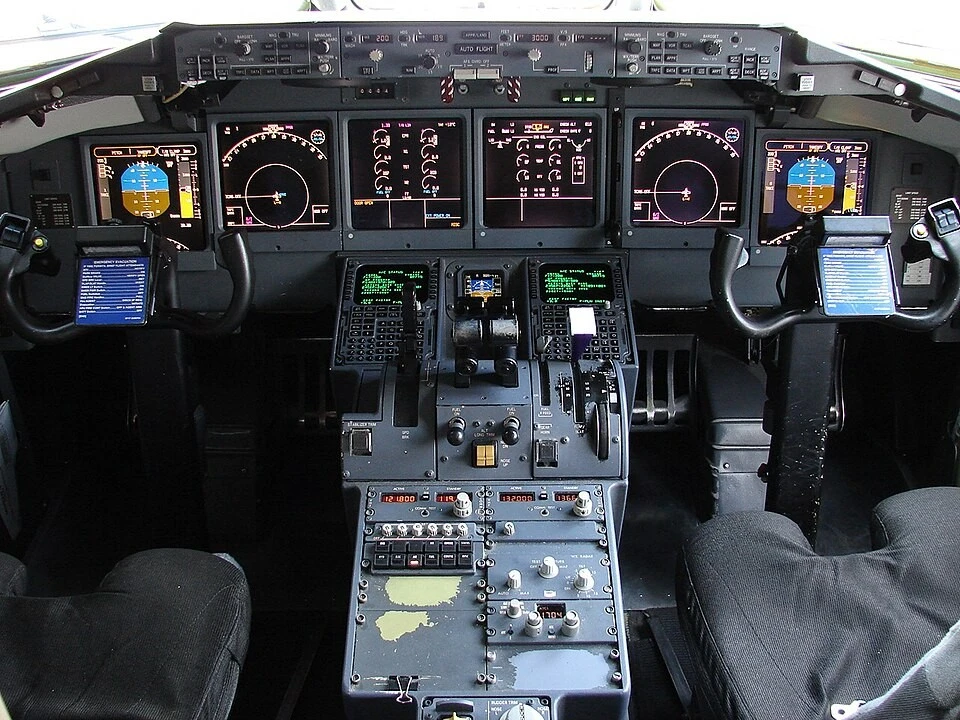
  • MD-95 and the two-crew glass flight deck

    The MD-95 became the Boeing 717. Its integrated flight deck and displays are a later generation of the same airframe lineage.

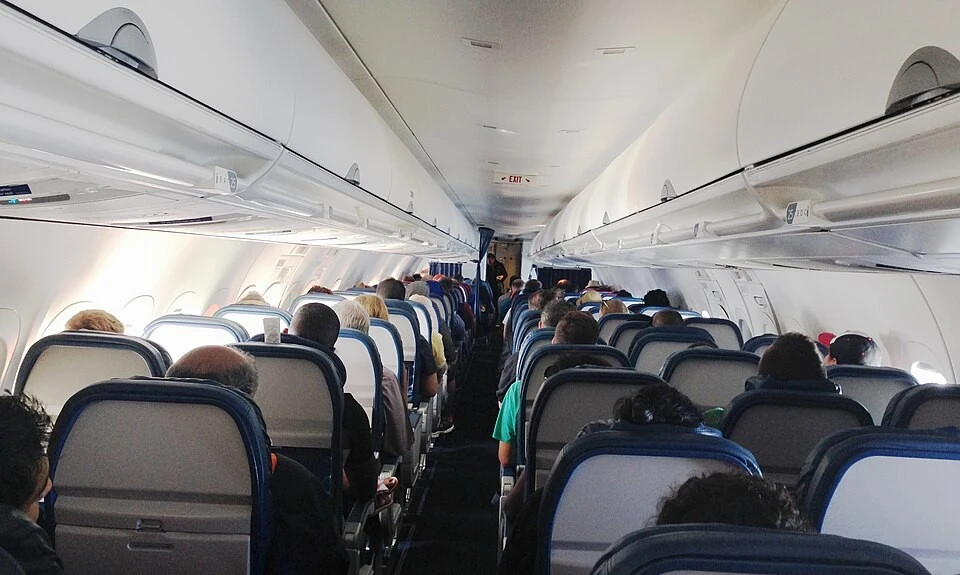
  • Compact five-abreast cabin

    The short 717-200 uses a five-abreast cabin for frequent short sectors. Its passenger and door layout follows the aircraft's DC-9 ancestry.

More aircraft systems
Engine reference
Rolls-Royce BR715
Technical notes

Design notes

  • The aircraft retains the rear-mounted engine and T-tail lineage of the DC-9 and MD-80 family.
  • The main production model is the 717-200.
  • Its cabin size fits dense regional and short-haul trunk markets rather than long-range missions.
  • Major variants covered here: 717-200.

Advantages

  • Strong short-haul economics in the right network.
  • Durable structure for frequent cycles.

Limitations

  • Limited family growth and small production base.
  • Rear-engine layout creates different maintenance access patterns.
Family Technical Profile

Boeing 717 Family is one of Boeing's platforms in its market segment, balancing capacity, range, airport compatibility, maintenance economics, and mission flexibility.

Boeing 717 Family serves the narrowbody market with family commonality and multiple configurations.

Technical features

  • Boeing 717 Family: Single-aisle fuselage efficiency · structure. A narrow fuselage reduces structural weight and airport footprint for high-frequency short and medium routes.
  • Boeing 717 Family: High-cycle operating design · maintenance. Doors, landing gear, brakes, and systems are optimized for repeated daily sectors and quick turnarounds.
  • Boeing 717 Family: Wing and high-lift devices · aerodynamics. Flaps, slats, and wingtip devices balance runway performance with cruise efficiency.
  • Boeing 717 Family: Engine generation changes · engine. Engine nacelle, thrust rating, fuel burn, and noise standards define each production generation.
  • Boeing 717 Family: Fleet commonality · operational_efficiency. Common flight decks and maintenance practices reduce training and support cost across subfleets.

Advantages

  • One platform can cover several capacity and mission bands.
  • Family design reduces training, maintenance, and spares complexity.
  • Engine, wingtip, avionics, or structural upgrades can extend lifecycle value.

Weaknesses

  • Configuration identification complexity. Visually similar aircraft can differ materially by engine, weight standard, cabin layout, and conversion status.
  • Generation-dependent economics. Older generations usually trail newer designs in fuel burn, noise, avionics, or maintenance intervals.
  • Market-fit limits. Every variant has an ideal capacity and range band; outside it, load factor, range, or cost can become limiting.

Markets

  • Network airline trunk or feeder markets
  • Leasing and fleet replacement markets
  • Regional, domestic, or international airline markets

Operators

  • Full-service network airlines
  • Low-cost or leisure airlines
  • Cargo, government, or special-mission operators

Routes and missions

  • High-frequency short or medium-haul trunk routes
  • Medium-density long-haul or cross-regional routes
  • Fleet replacement, supplementation, or special missions
Key terms
Engine configuration

The exact engine family and thrust standard installed on a specific model or production block.

  • Connects model suffixes, airline maintenance strategy, and performance limits.
  • Important for aircraft identification and fleet comparison.

Advantages. Helps explain range, payload, noise, and fuel-burn differences.

Limitations. Public data may omit thrust derates or later engine swaps.

Cabin configuration

The airline-selected layout of cabins, seats, galleys, lavatories, crew rest, and monuments.

  • Can change the same aircraft type from premium-heavy to high-density.
  • Affects range, payload, passenger experience, and turnaround flow.

Advantages. Lets airlines tailor the aircraft to route economics.

Limitations. Seat-map examples vary over time and by subfleet.

Fleet commonality

Boeing families often preserve handling, maintenance, and cockpit continuity across generations where practical.

  • This system is part of the A330 operating architecture and interacts with flight-control, electrical, hydraulic, engine, or environmental systems.
  • Exact configuration varies across A330ceo, A330neo, freighter, and military derivatives.

Advantages. Improves operational reliability, economics, or mission flexibility. Uses a mature wide-body systems architecture to reduce operational risk.

Limitations. System complexity increases maintenance, training, and troubleshooting demands. Airline configuration and engine choice can change real-world performance.

Sources