Home/Encyclopedia/Boeing/Boeing 737 Family

Boeing 737 Family

The Boeing 737 is a single-aisle short-to-medium-haul aircraft family spanning early Original models, Classic, Next Generation, and MAX generations. It is one of the most widely operated commercial jet families.

Models at a glance

737-100

The 737-100 was the first and shortest production 737. Its low-mounted JT8D engines distinguished the Original series from later 737 generations.

Entered service
1968Lufthansa
First flight
9 April 1967
Length
28.63 m
Wingspan
28.35 m
Published range
1,000 nmApproximate historical figure
Typical two-class seats
85
Engine options
JT8D-7
Main landing gear
1 axle · 2 wheels per side
Sources

737-200

The 737-200 lengthened the original 737 to offer more seats while retaining JT8D power. It became the more numerous of the two Original series.

Entered service
Unavailable
First flight
Unavailable
Length
30.54 m
Wingspan
28.35 m
Published range
1,980 / 2,560 nmApproximate with 120 passengers · 115,500 lb / 128,100 lb configurations
Typical two-class seats
102Later Boeing baseline · 14 first and 88 economy; early baseline 97
Engine options
JT8D
Main landing gear
1 axle · 2 wheels per side
Sources
737-200 variants

737-200 Advanced

The 737-200 Advanced improved the original -200 with changes to its wing and performance. Its higher available weights and range broadened the routes it could serve.

Length
30.54 m
Wingspan
28.35 m
Published range
2,560 nmApproximately · 120 passengers at 128,100 lb MTOW
Typical two-class seats
102Boeing mixed-class baseline
Engine options
JT8D
Main landing gear
1 axle · 2 wheels per side
Sources

737-200P

737-200P is the whyaviation archive label for the 737-200 passenger configuration. The short-haul passenger configuration retains the Original series' JT8D engines.

Length
30.54 m
Wingspan
28.35 m
Published range
1,980 / 2,560 nmApproximate with 120 passengers · 115,500 lb / 128,100 lb configurations
Typical two-class seats
102Later Boeing baseline · 14 first and 88 economy; early baseline 97
Engine options
JT8D
Main landing gear
Unavailable
Sources

737-300

The 737-300 launched the Classic generation. The switch from JT8D low-bypass engines to CFM56-3 turbofans brought the Classic's distinctive flattened nacelle inlets.

Length
33.41 m
Wingspan
28.9 / 31.21 mWithout / with wingtip devices
Published range
1,635 / 2,255 nmBasic / high-gross options · 126 passengers
Typical two-class seats
126
Published seating
149All-economy configuration
Maximum passenger seats
149EASA exit limit for stated cabin arrangement
Engine options
CFM56-3
Main landing gear
1 axle · 2 wheels per side
Sources
737-300 variants

737-300P

737-300P is the whyaviation archive label for the 737-300 passenger configuration. The -300 introduced the Classic series and its CFM56-3 engines.

Length
33.41 m
Wingspan
28.9 / 31.21 mWithout / with wingtip devices
Published range
1,635 / 2,255 nmBasic / high-gross options · 126 passengers
Typical two-class seats
126
Engine options
CFM56-3
Main landing gear
Unavailable
Sources

737-400

The 737-400 stretched the 737-300 to carry more passengers and retained the Classic's CFM56-3 powerplants. It later became a base aircraft for cargo conversions.

Length
36.45 m
Wingspan
28.9 m
Published range
1,907 / 2,060 nmBasic / high-gross options · 147 passengers
Typical two-class seats
147
Published seating
168All-economy configuration
Maximum passenger seats
188EASA exit limit for stated cabin arrangement
Engine options
CFM56-3
Main landing gear
1 axle · 2 wheels per side
Sources
737-400 variants

737-400P

737-400P is the whyaviation archive label for the 737-400 passenger configuration. The longer Classic fuselage provides more passenger cabin space than the -300.

Length
36.45 m
Wingspan
28.9 m
Published range
1,907 / 2,060 nmBasic / high-gross options · 147 passengers
Typical two-class seats
147
Engine options
CFM56-3
Main landing gear
Unavailable
Sources

737-500

The 737-500 was the short-fuselage member of the Classic generation. It combined 737-200-size capacity with the newer CFM56-powered airframe.

Length
31.03 m
Wingspan
28.9 m
Published range
1,415 / 2,375 nmBasic / high-gross options · 110 passengers
Typical two-class seats
110
Published seating
132All-economy configuration
Maximum passenger seats
140EASA exit limit for stated cabin arrangement
Engine options
CFM56-3
Main landing gear
1 axle · 2 wheels per side
Sources
737-500 variants

737-500P

737-500P is the whyaviation archive label for the 737-500 passenger configuration. The -500 is the short-fuselage passenger model of the 737 Classic series.

Length
31.03 m
Wingspan
28.9 m
Published range
1,415 / 2,375 nmBasic / high-gross options · 110 passengers
Typical two-class seats
110
Engine options
CFM56-3
Main landing gear
Unavailable
Sources

737-600

The 737-600 was the shortest 737 Next Generation variant. It paired a compact fuselage with the NG wing and CFM56-7B power.

Length
31.24 m
Wingspan
34.32 / 35.78 mWithout / with wingtip devices
Published range
3,230 nmBoeing’s original published upper figure
Typical two-class seats
108
Published seating
130Boeing all-economy layout
Maximum passenger seats
149EASA maximum with qualifying exit configuration
Engine options
CFM56-7B
Main landing gear
1 axle · 2 wheels per side
Sources
737-600 variants

737-600P

737-600P is the whyaviation archive label for the 737-600 passenger configuration. The -600 pairs the shortest Next Generation airframe with CFM56-7B engines.

Length
31.24 m
Wingspan
34.32 / 35.78 mWithout / with wingtip devices
Published range
3,230 nmBoeing’s original published upper figure
Typical two-class seats
108
Engine options
CFM56-7B
Main landing gear
Unavailable
Sources

737-700

The 737-700 was the first Next Generation 737 to enter service. Its fuselage size made it a successor to the 737-300 on many short- and medium-haul routes.

Length
33.62 m
Wingspan
34.32 / 35.78 mWithout / with wingtip devices
Published range
2,900 nmPublished upper figure
Typical two-class seats
125–145
Maximum passenger seats
149EASA maximum with qualifying exit configuration
Engine options
CFM56-7B
Main landing gear
1 axle · 2 wheels per side
Sources
737-700 variants

737-700ER

The 737-700ER extends the range of the 737-700 for longer passenger routes. Boeing developed it with the -700 fuselage and -800 wing and landing gear.

Length
33.62 m
Wingspan
34.32 / 35.78 mWithout / with blended winglets
Published range
5,775 nmBoeing maximum design figure · optional fuel tanks
Typical two-class seats
44ANA BusinessJet example · 24 business and 20 enhanced economy
Engine options
CFM56-7BApproved engine family in Boeing planning data
Main landing gear
Unavailable
Sources

737-700P

737-700P is the whyaviation archive label for the 737-700 passenger configuration. The passenger -700 is shorter than the -800 and -900.

Length
33.62 m
Wingspan
34.32 / 35.78 mWithout / with wingtip devices
Published range
2,900 nmPublished upper figure
Typical two-class seats
125–145Boeing published two-class passenger configuration range
Engine options
CFM56-7B
Main landing gear
Unavailable
Sources

737-800

The 737-800 stretched the NG platform beyond the -700 for more passengers. It is the basis of several freighter and military derivatives.

Length
39.47 m
Wingspan
34.32 / 35.78 mWithout / with wingtip devices
Published range
2,800 nmPublished upper figure
Typical two-class seats
160–180
Maximum passenger seats
189EASA maximum with qualifying exit configuration
Engine options
CFM56-7B
Main landing gear
1 axle · 2 wheels per side
Sources
737-800 variants

737-800BCF

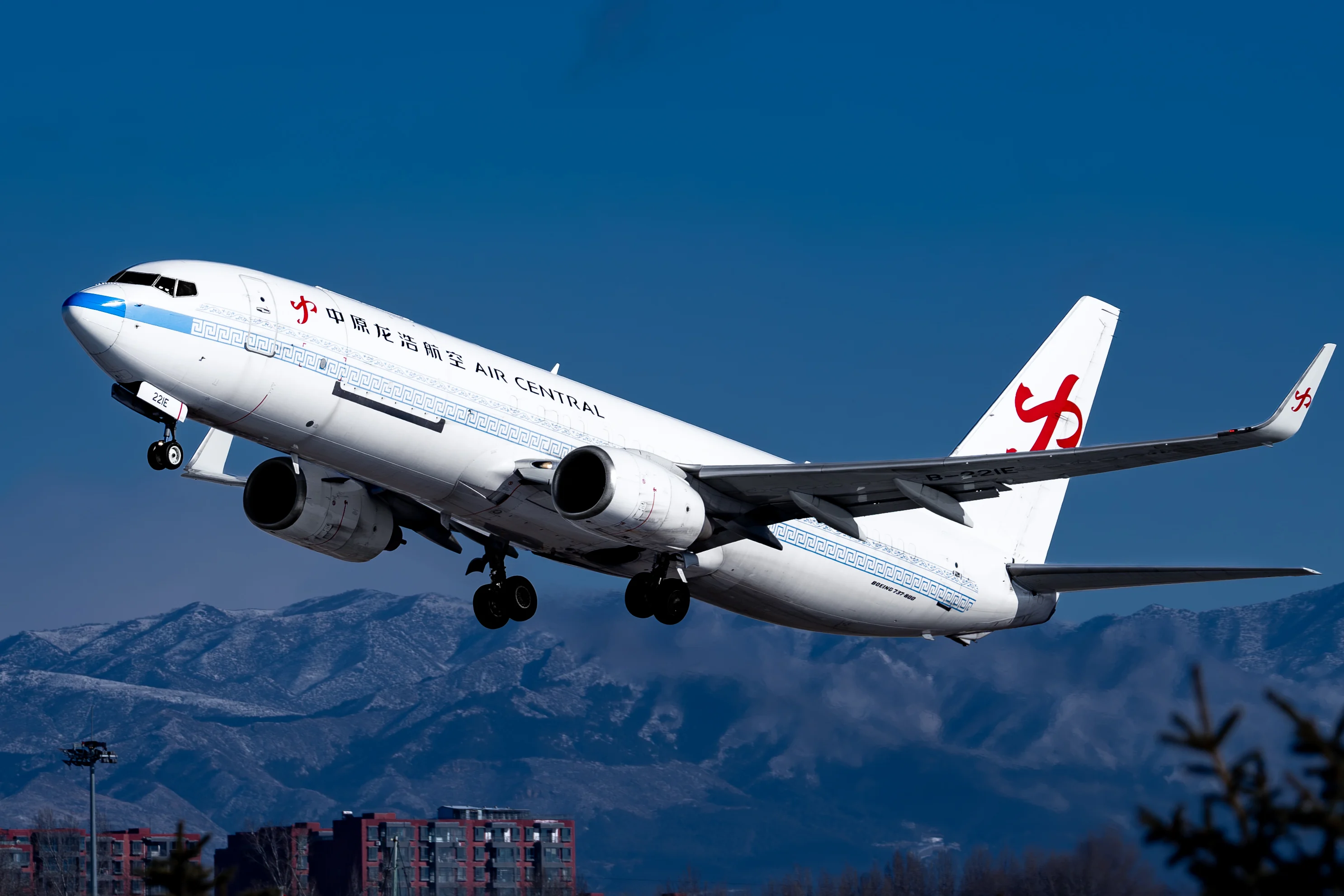
The 737-800BCF is Boeing's conversion of existing 737-800 passenger aircraft into freighters.

Length
39.5 m
Wingspan
35.8 m
Published range
2,000 nmAt 24 t structural payload · Boeing Converted Freighter
Range at stated payload
2,000 nmAt 24 t structural payload
Maximum cargo payload
24 t
Engine options
CFM56-7B
Main landing gear
1 axle · 2 wheels per side
Sources

737-800F

737-800F is the archive label for a 737-800 freighter whose conversion programme is unspecified.

Length
39.5 mExample · Boeing 737-800BCF; the archive label does not name a conversion programme
Wingspan
35.8 mWinglet-equipped example · Example · Boeing 737-800BCF; the archive label does not name a conversion programme
Published range
2,000 nmAt 24 t structural payload · Example · Boeing 737-800BCF; the archive label does not name a conversion programme
Range at stated payload
Unavailable
Maximum cargo payload
Unavailable
Engine options
CFM56-7BExample · Boeing 737-800BCF; the archive label does not name a conversion programme
Main landing gear
Unavailable
Sources

737-800P

737-800P is the whyaviation archive label for the 737-800 passenger configuration. Boeing lists 160–180 seats in a typical two-class layout, with up to 189 passengers.

Length
39.47 m
Wingspan
34.32 / 35.78 mWithout / with wingtip devices
Published range
2,800 nmPublished upper figure
Typical two-class seats
160–180Boeing published two-class passenger configuration range
Engine options
CFM56-7B
Main landing gear
Unavailable
Sources

737-800SF

The 737-800SF is the Aeronautical Engineers passenger-to-freighter conversion of the 737-800.

Length
39.47 mUnchanged 737-800 airframe geometry
Wingspan
34.32 / 35.78 mWithout / with blended winglets on a 737-800 donor
Published range
2,000 nmGECAS published range for the AEI conversion
Typical two-class seats
Unavailable
Engine options
CFM56-7BOriginal donor engine family
Main landing gear
Unavailable
Sources

737-900

The 737-900 was the original long-fuselage Next Generation model. The later -900ER retained its length and changed its exit and range capability.

Programme status
Unavailable
Length
42.12 m
Wingspan
34.32 / 35.78 mWithout / with wingtip devices
Published range
2,210 nmAlaska Airlines original 737-900 example
Typical two-class seats
177
Maximum passenger seats
189EASA maximum with qualifying exit configuration
Engine options
CFM56-7B
Main landing gear
1 axle · 2 wheels per side
Sources
737-900 variants

737-900ER

The 737-900ER combines the long NG fuselage with additional emergency exits and higher-range capability. It preceded the similarly sized 737 MAX 9.

Length
42.12 m
Wingspan
34.32 / 35.78 mWithout / with wingtip devices
Published range
3,230 nmWith two auxiliary tanks, blended winglets and 180 passengers
Typical two-class seats
177Boeing mixed-class airport-planning example
Maximum passenger seats
220EASA maximum with qualifying exit configuration
Engine options
CFM56-7B
Main landing gear
1 axle · 2 wheels per side
Sources

737-900P

737-900P is the whyaviation archive label for the 737-900 passenger configuration. The passenger -900 uses the longest fuselage in the original Next Generation lineup.

Length
42.12 m
Wingspan
34.32 / 35.78 mWithout / with wingtip devices
Published range
2,210 nmAlaska Airlines original 737-900 example
Typical two-class seats
177
Maximum passenger seats
Unavailable
Engine options
CFM56-7B
Main landing gear
Unavailable
Sources

737 MAX 7

The 737 MAX 7 is the short-bodied member of the MAX lineup. Its smaller cabin serves routes where range and frequency matter more than the capacity of a longer airframe.

Programme status
FAA-certified in 2026
Length
35.6 m
Wingspan
35.9 m
Published range
3,800 nm
Typical two-class seats
135–160
Maximum passenger seats
172
Engine options
LEAP-1B
Main landing gear
1 axle · 2 wheels per side
Sources

737 MAX 8

The 737 MAX 8 is the middle-size successor to the 737-800. Its LEAP-1B engines and split winglets distinguish it from the earlier -800.

Length
39.5 m
Wingspan
35.9 m
Published range
3,500 nm
Typical two-class seats
160–180
Maximum passenger seats
189EASA maximum with qualifying exit configuration
Engine options
LEAP-1B
Main landing gear
1 axle · 2 wheels per side
Sources
737 MAX 8 variants

737 MAX 8-200

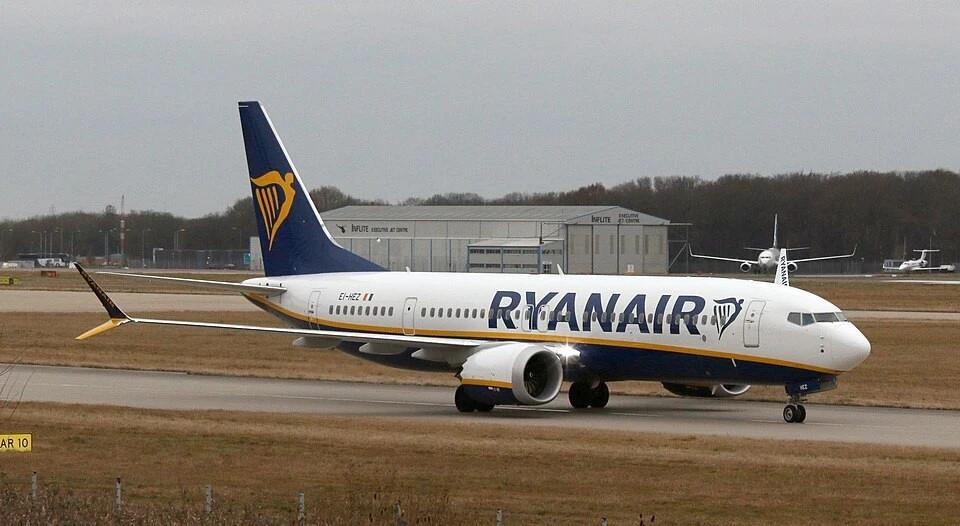
The 737 MAX 8-200 is the high-density MAX 8 configuration. An additional pair of emergency exits allows a higher passenger limit.

Entered service
2021Ryanair
Length
39.5 m
Wingspan
35.9 m
Published range
2,700 nmBoeing MAX 200 reference configuration with 200 seats
Typical two-class seats
Unavailable
Maximum passenger seats
202EASA maximum with qualifying exit configuration
Engine options
LEAP-1B
Main landing gear
1 axle · 2 wheels per side
Sources

737-8

The 737-8 is the standard certified model of the 737 MAX 8. Boeing also produced the 737-8200 high-density model.

Entered service
Unavailable
Length
39.5 m
Wingspan
35.9 m
Published range
3,500 nm
Typical two-class seats
160–180Boeing published two-class seating range
Maximum passenger seats
Unavailable
Engine options
LEAP-1B
Main landing gear
Unavailable
Sources

737 MAX 9

The 737 MAX 9 stretches the MAX 8 concept for more seats. Boeing uses 737-9 for the model designation.

Length
42.1 m
Wingspan
35.9 m
Published range
3,300 nm
Typical two-class seats
175–195
Maximum passenger seats
220
Engine options
LEAP-1B
Main landing gear
1 axle · 2 wheels per side
Sources

737 MAX 10

The 737 MAX 10 is the longest member of the MAX family and is designed for the highest seating capacity in the lineup.

First flight
18 June 2021
Programme status
FAA-certified in 2026
Length
43.8 m
Wingspan
35.9 m
Published range
3,100 nm
Typical two-class seats
185–210
Maximum passenger seats
230
Engine options
LEAP-1B
Main landing gear
1 axle · 2 wheels per side
Sources
First flight
Unavailable
Programme status
Unavailable
Length
33.62 m
Wingspan
35.79 mOriginal BBJ with winglets
Published range
6,200 nmEight passengers · nine auxiliary tanks and winglets
Typical two-class seats
Unavailable
Maximum passenger seats
Unavailable
Engine options
CFM56-7B
Main landing gear
1 axle · 2 wheels per side
Sources

C-40

The C-40 Clipper is a 737 Next Generation derivative for government transport. The C-40A combines passenger and main-deck cargo capability.

Length
33.63 mC-40A example
Wingspan
35.8 mC-40A example with winglets
Published range
3,200 nmBoeing C-40Ai transport example
Maximum passenger seats
121All-passenger C-40A configuration
Maximum cargo payload
15.88 tApproximate all-cargo capacity
Engine options
CFM56-7
Main landing gear
Unavailable
Sources

P-8 Poseidon

The P-8 Poseidon is a maritime patrol derivative of the 737 Next Generation platform. Its mission airframe and raked wingtips distinguish it from a passenger 737-800.

Length
39.47 m
Wingspan
37.64 m
Published range
1,200 nmPublished as 1,200+ nmi on a profile with over four hours on station
Maximum passenger seats
Unavailable
Maximum cargo payload
Unavailable
Engine options
CFM56-7B
Main landing gear
1 axle · 2 wheels per side
Sources

Identification

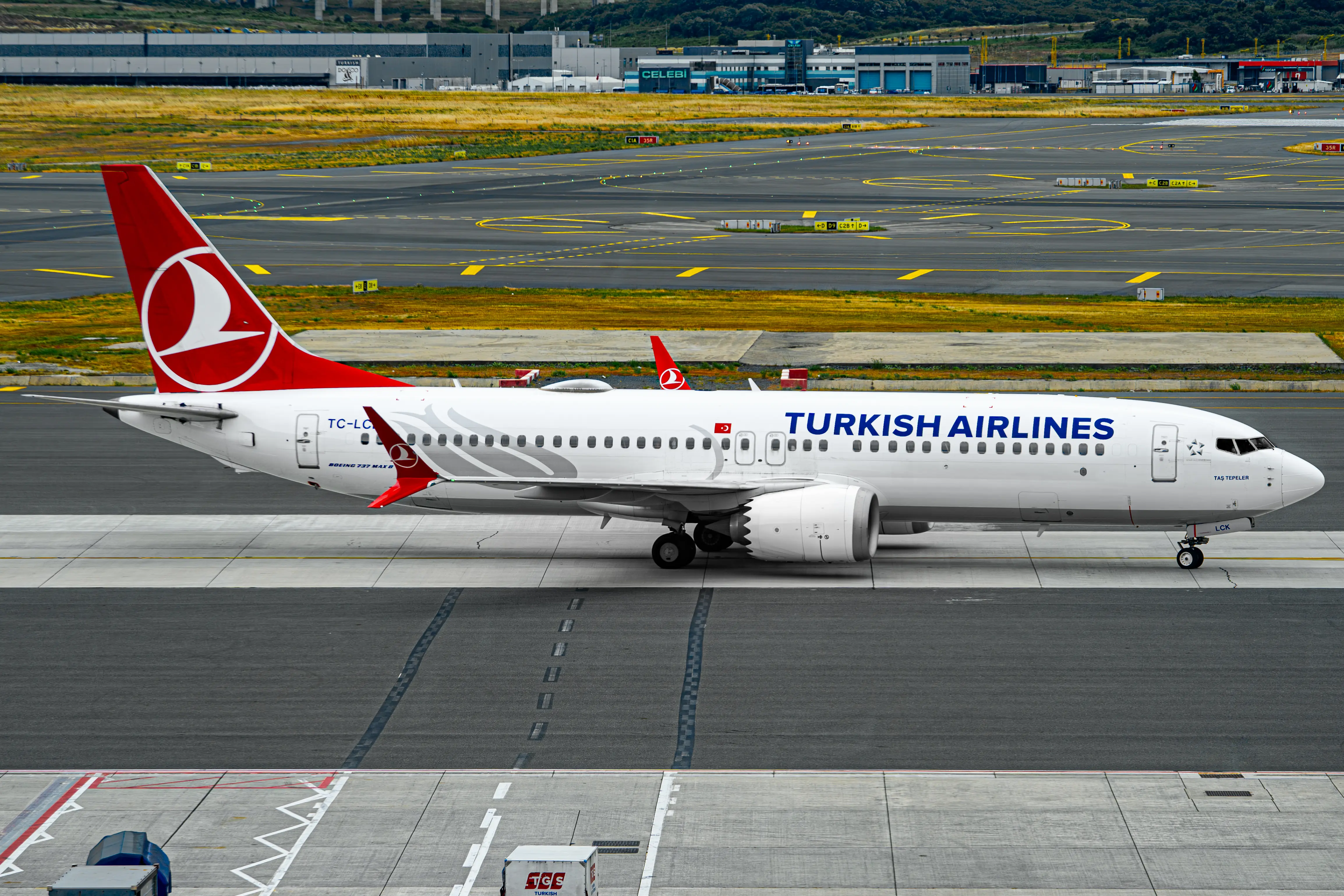
Underwing nacelles
Start with the low-set pair under the wings. The Original has slender JT8D pods, the Classic has larger inlets with flattened undersides, and the Next Generation has a rounder CFM56 inlet.
Nacelle trailing edge
On a rear-quarter view, look for the sawtooth edge on the MAX nacelle. The MAX winglet splits up and down, a shape that can also occur on retrofitted Next Generation aircraft.

Check the nacelle and wingtip together before assigning a generation.

Design & cabins

  • Four generations of engine and nacelle design

    The JT8D Original, CFM56-3 Classic, CFM56-7B Next Generation and LEAP-1B MAX can be read as distinct underwing installations.

  • Next Generation wing and wingtip evolution

    The NG introduced a redesigned wing. The blended, split and MAX wingtip forms depend on the model and any retrofit.

  • Flight deck and flight controls across generations

    Compare the early instrumentation with later digital displays and MAX-specific flight-control changes, with applicability identified by generation.

More aircraft systems
Cabin configuration examples

Low-cost carriers

Full-service carriers

Five-star airlines

Technical notes

Design notes

  • Major generations include 737 Original, 737 Classic, 737 Next Generation, and 737 MAX.
  • The family balances low ground height, quick turnarounds, and high fleet commonality.
  • Later NG and MAX models introduced larger engines, updated wings, winglets, flight-deck changes, and efficiency improvements.
  • Major variants covered here: 737-100, 737-200, 737-300, 737-400, 737-500, 737-600, 737-700, 737-800, 737-900, 737 MAX 7, 737 MAX 8, 737 MAX 9, 737 MAX 10, BBJ.

Advantages

  • Large global support ecosystem.
  • Strong commonality across many short-haul airline fleets.
  • Broad variant range from small-capacity to high-density missions.

Limitations

  • Legacy ground-clearance constraints influence engine installation and systems design.
  • Different generations have very different cockpit, engine, and operational details.
Family Technical Profile

Boeing 737 Family is one of Boeing's platforms in its market segment, balancing capacity, range, airport compatibility, maintenance economics, and mission flexibility.

Boeing 737 Family serves the narrowbody market with family commonality and multiple configurations.

Technical features

  • Boeing 737 Family: Single-aisle fuselage efficiency · structure. A narrow fuselage reduces structural weight and airport footprint for high-frequency short and medium routes.
  • Boeing 737 Family: High-cycle operating design · maintenance. Doors, landing gear, brakes, and systems are optimized for repeated daily sectors and quick turnarounds.
  • Boeing 737 Family: Wing and high-lift devices · aerodynamics. Flaps, slats, and wingtip devices balance runway performance with cruise efficiency.
  • Boeing 737 Family: Engine generation changes · engine. Engine nacelle, thrust rating, fuel burn, and noise standards define each production generation.
  • Boeing 737 Family: Fleet commonality · operational_efficiency. Common flight decks and maintenance practices reduce training and support cost across subfleets.

Advantages

  • One platform can cover several capacity and mission bands.
  • Family design reduces training, maintenance, and spares complexity.
  • Engine, wingtip, avionics, or structural upgrades can extend lifecycle value.

Weaknesses

  • Configuration identification complexity. Visually similar aircraft can differ materially by engine, weight standard, cabin layout, and conversion status.
  • Generation-dependent economics. Older generations usually trail newer designs in fuel burn, noise, avionics, or maintenance intervals.
  • Market-fit limits. Every variant has an ideal capacity and range band; outside it, load factor, range, or cost can become limiting.

Markets

  • Network airline trunk or feeder markets
  • Leasing and fleet replacement markets
  • Regional, domestic, or international airline markets

Operators

  • Full-service network airlines
  • Low-cost or leisure airlines
  • Cargo, government, or special-mission operators

Routes and missions

  • High-frequency short or medium-haul trunk routes
  • Medium-density long-haul or cross-regional routes
  • Fleet replacement, supplementation, or special missions
Key terms
Engine configuration

The exact engine family and thrust standard installed on a specific model or production block.

  • Connects model suffixes, airline maintenance strategy, and performance limits.
  • Important for aircraft identification and fleet comparison.

Advantages. Helps explain range, payload, noise, and fuel-burn differences.

Limitations. Public data may omit thrust derates or later engine swaps.

Cabin configuration

The airline-selected layout of cabins, seats, galleys, lavatories, crew rest, and monuments.

  • Can change the same aircraft type from premium-heavy to high-density.
  • Affects range, payload, passenger experience, and turnaround flow.

Advantages. Lets airlines tailor the aircraft to route economics.

Limitations. Seat-map examples vary over time and by subfleet.

Fleet commonality

Boeing families often preserve handling, maintenance, and cockpit continuity across generations where practical.

  • This system is part of the A330 operating architecture and interacts with flight-control, electrical, hydraulic, engine, or environmental systems.
  • Exact configuration varies across A330ceo, A330neo, freighter, and military derivatives.

Advantages. Improves operational reliability, economics, or mission flexibility. Uses a mature wide-body systems architecture to reduce operational risk.

Limitations. System complexity increases maintenance, training, and troubleshooting demands. Airline configuration and engine choice can change real-world performance.

Sources