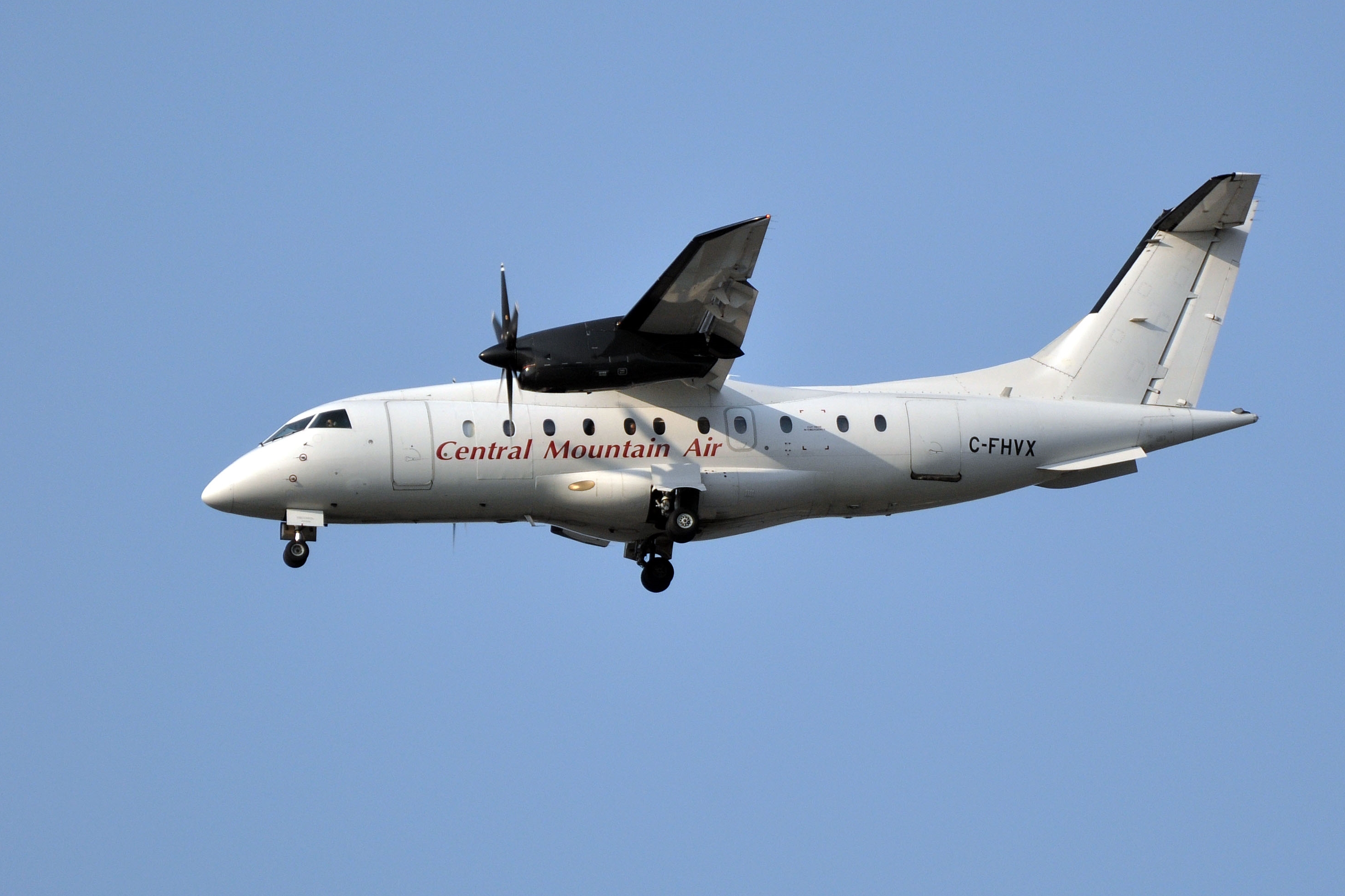
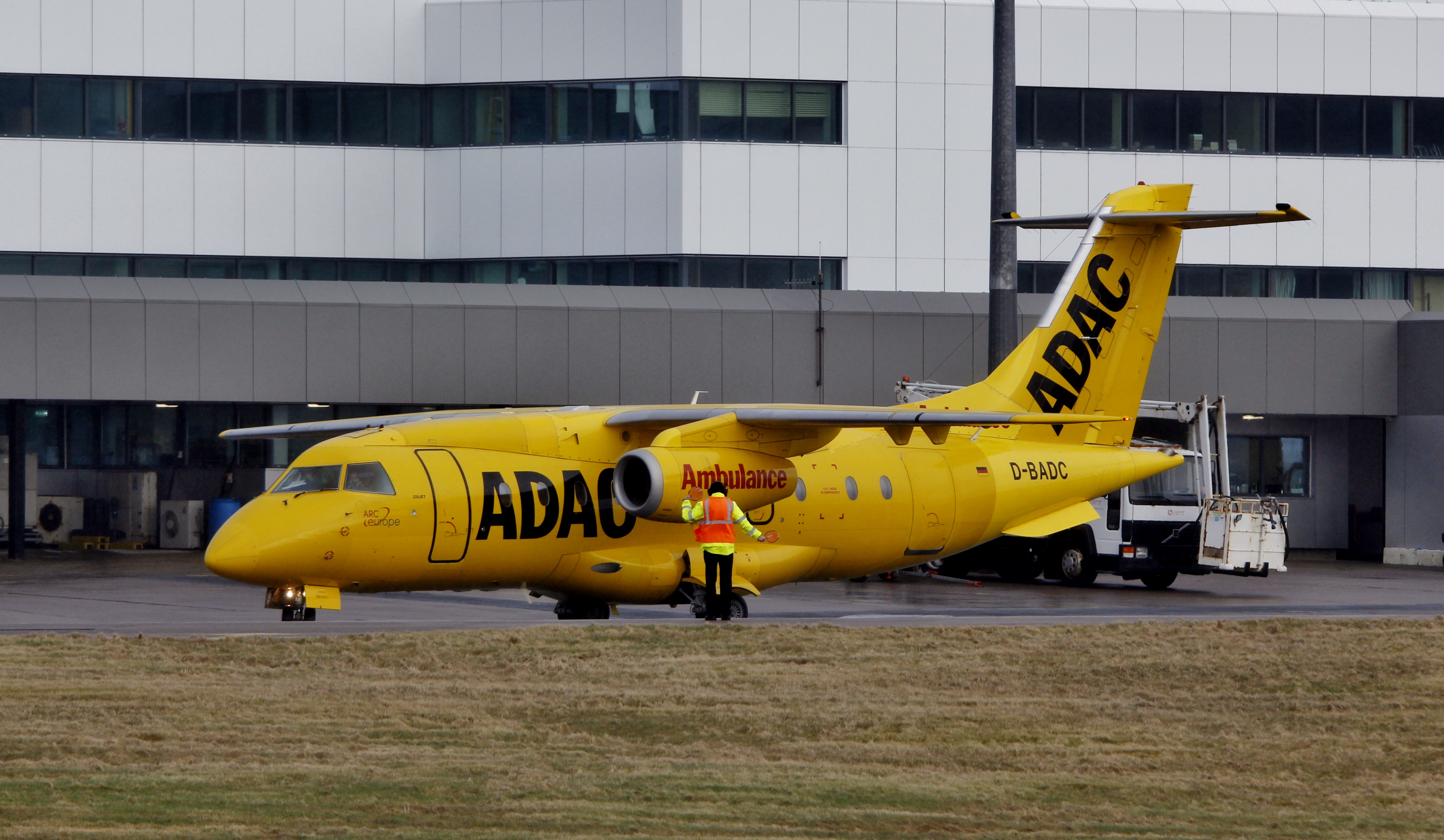
Dornier 328 Family is one of Aircraft manufacturer's platforms in its market segment, balancing capacity, range, airport compatibility, maintenance economics, and mission flexibility.
Dornier 328 Family serves the narrowbody market with family commonality and multiple configurations.
Technical features
- Dornier 328 Family: Single-aisle fuselage efficiency · structure. A narrow fuselage reduces structural weight and airport footprint for high-frequency short and medium routes.
- Dornier 328 Family: High-cycle operating design · maintenance. Doors, landing gear, brakes, and systems are optimized for repeated daily sectors and quick turnarounds.
- Dornier 328 Family: Wing and high-lift devices · aerodynamics. Flaps, slats, and wingtip devices balance runway performance with cruise efficiency.
- Dornier 328 Family: Engine generation changes · engine. Engine nacelle, thrust rating, fuel burn, and noise standards define each production generation.
- Dornier 328 Family: Fleet commonality · operational_efficiency. Common flight decks and maintenance practices reduce training and support cost across subfleets.
Advantages
- One platform can cover several capacity and mission bands.
- Family design reduces training, maintenance, and spares complexity.
- Engine, wingtip, avionics, or structural upgrades can extend lifecycle value.
Weaknesses
- Configuration identification complexity. Visually similar aircraft can differ materially by engine, weight standard, cabin layout, and conversion status.
- Generation-dependent economics. Older generations usually trail newer designs in fuel burn, noise, avionics, or maintenance intervals.
- Market-fit limits. Every variant has an ideal capacity and range band; outside it, load factor, range, or cost can become limiting.
Markets
- Network airline trunk or feeder markets
- Leasing and fleet replacement markets
- Regional, domestic, or international airline markets
Operators
- Full-service network airlines
- Low-cost or leisure airlines
- Cargo, government, or special-mission operators
Routes and missions
- High-frequency short or medium-haul trunk routes
- Medium-density long-haul or cross-regional routes
- Fleet replacement, supplementation, or special missions