Home/Encyclopedia/Airbus/Airbus A400M Atlas

Airbus A400M Atlas

The A400M Atlas is an Airbus military airlifter with four Europrop TP400 turboprops. Its high wing and rear ramp are designed around loading bulky freight and vehicles.

Models at a glance

Airbus A400M-180

A400M-180 is the certified model designation in EASA.A.169 for the Airbus A400M Atlas.

Entered service
2013
First flight
11 December 2009
Length
45.11 m
Wingspan
42.4 m
Published range
4,800 nmAirbus ferry range. Maximum payload range is 1,780 nmi.
Range at stated payload
3,400 nmAt 20 t payload
Maximum cargo payload
37 t
Engine options
TP400-D6
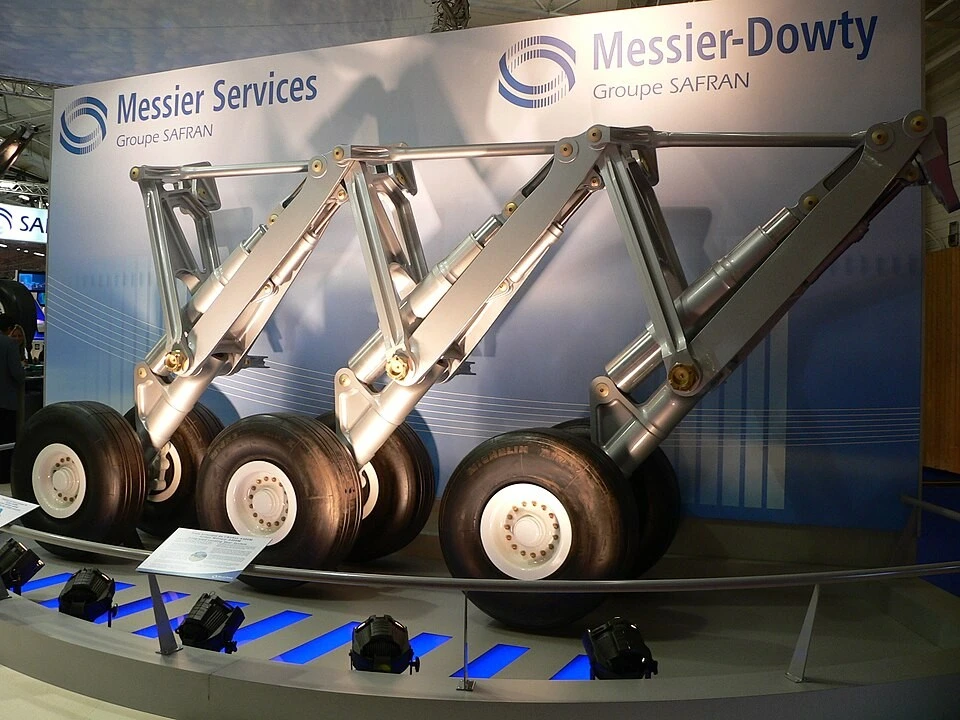
Main landing gear
3 axles · 6 wheels per side
Sources

Identification

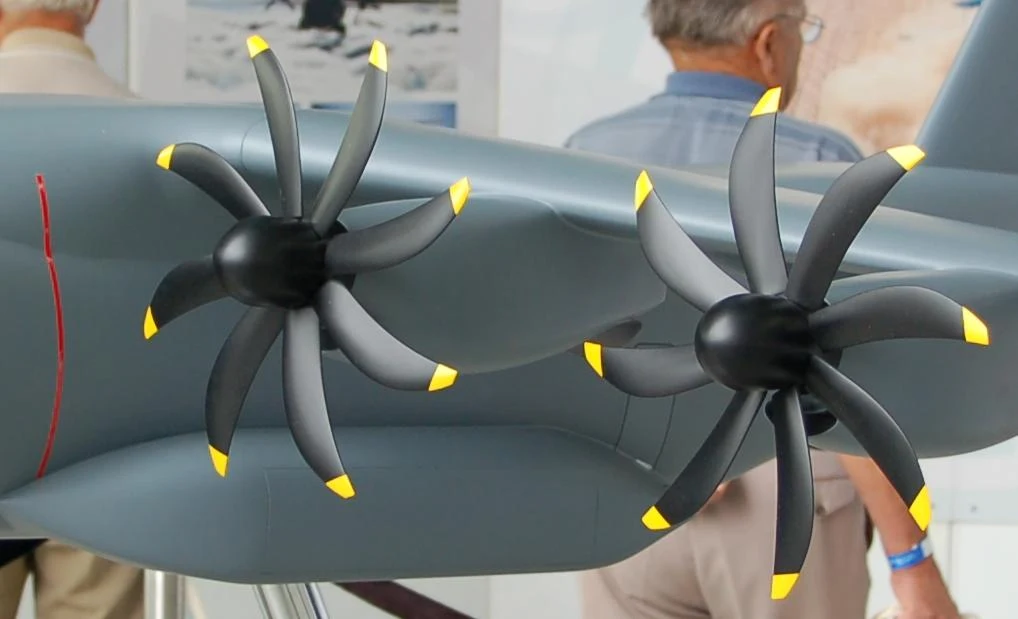
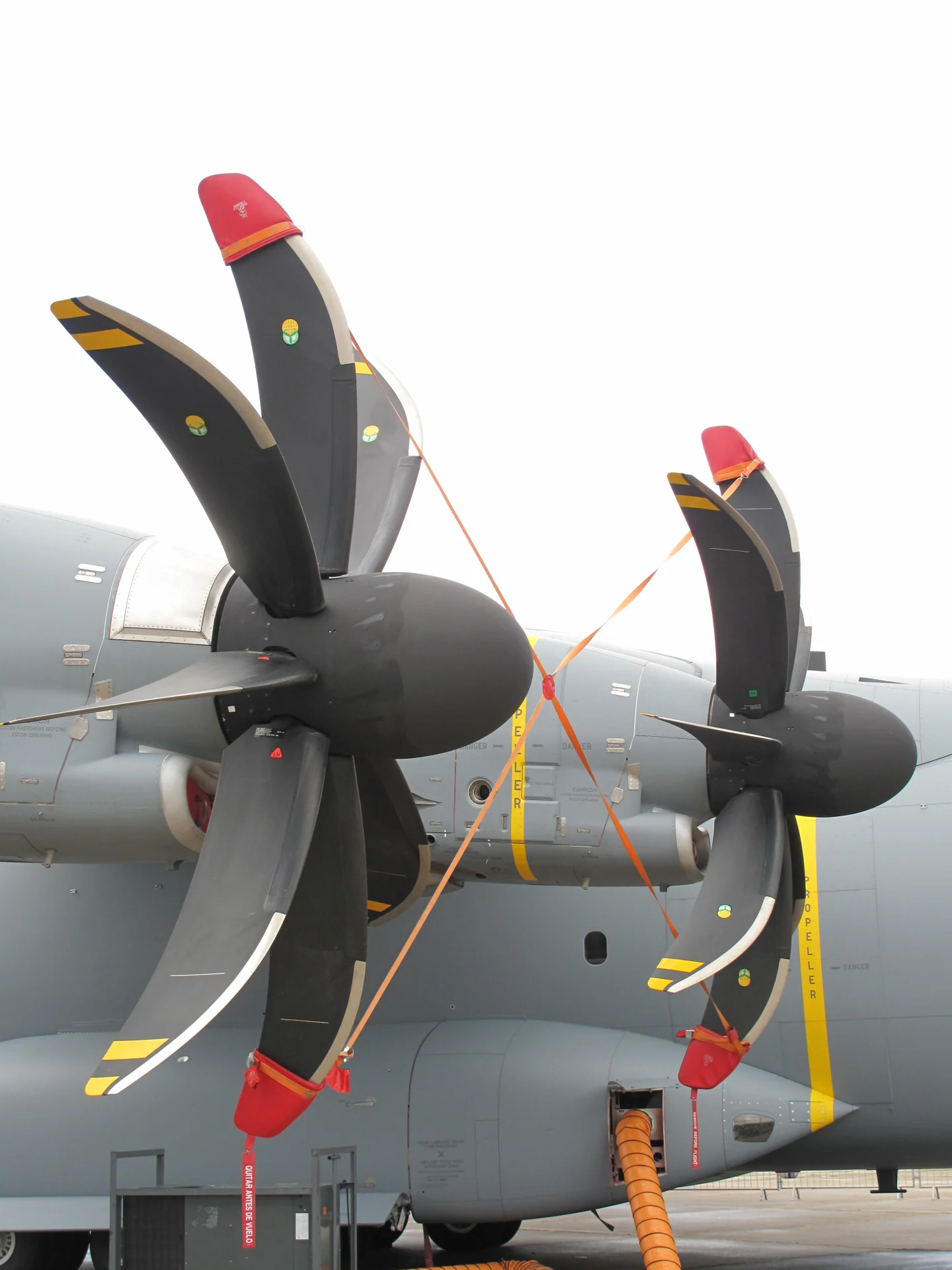
Four eight-blade propellers
From the front, count two propellers on each shoulder-mounted wing. A parked aircraft makes it easier to pick out the eight curved blades per propeller.
T-tail outline
Look aft for the horizontal tail on top of the fin. The high tail and four propellers together distinguish the Atlas from a four-jet C-17 and the lower-tailed Hercules.

Design & cabins

  • TP400-D6 and opposite-turning propellers

    The two propellers on each wing turn in opposite directions, an arrangement designed around the airflow between the nacelles.

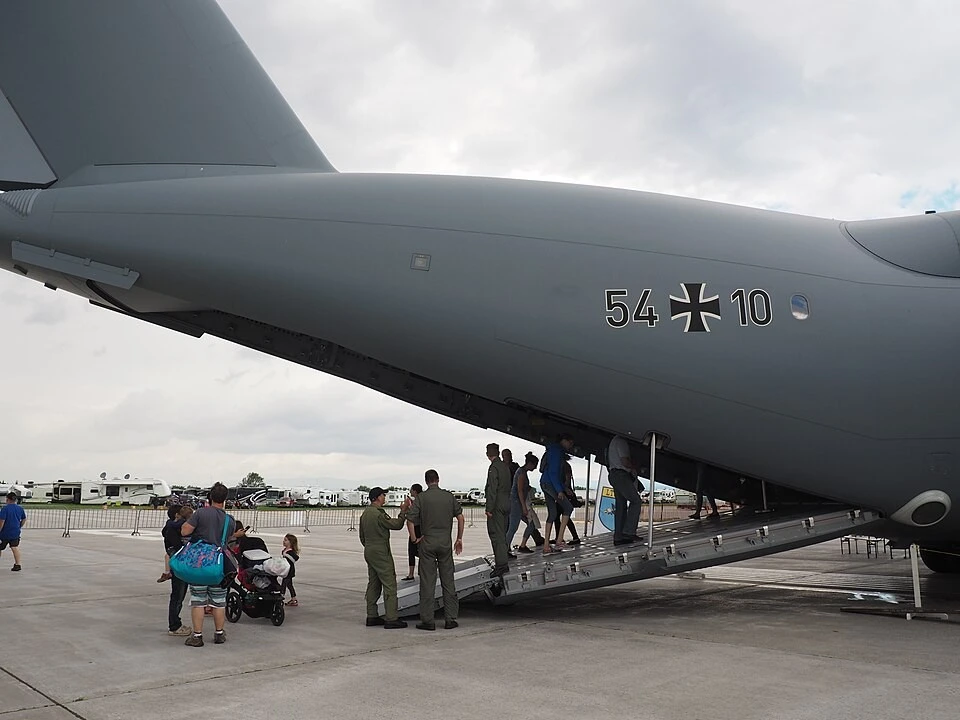
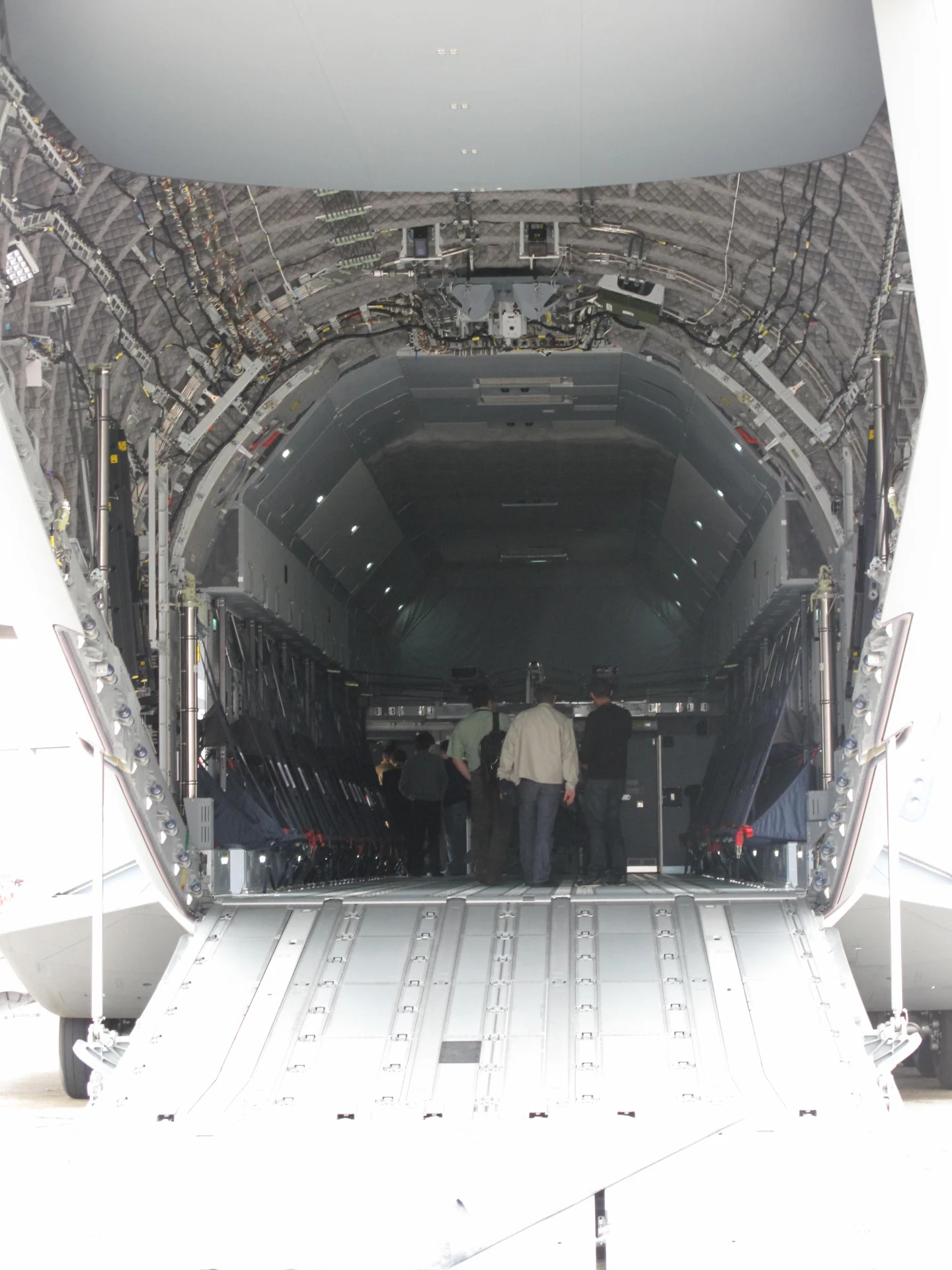
  • High wing and rear loading ramp

    The high wing leaves the cargo space clear. A low cargo floor and the rear ramp support loading bulky freight and vehicles.

  • Multi-wheel landing gear for austere fields

    The landing gear distributes heavy loads over multiple wheels for operations on less developed airfields.

More aircraft systems
  • Flight controls and avionics

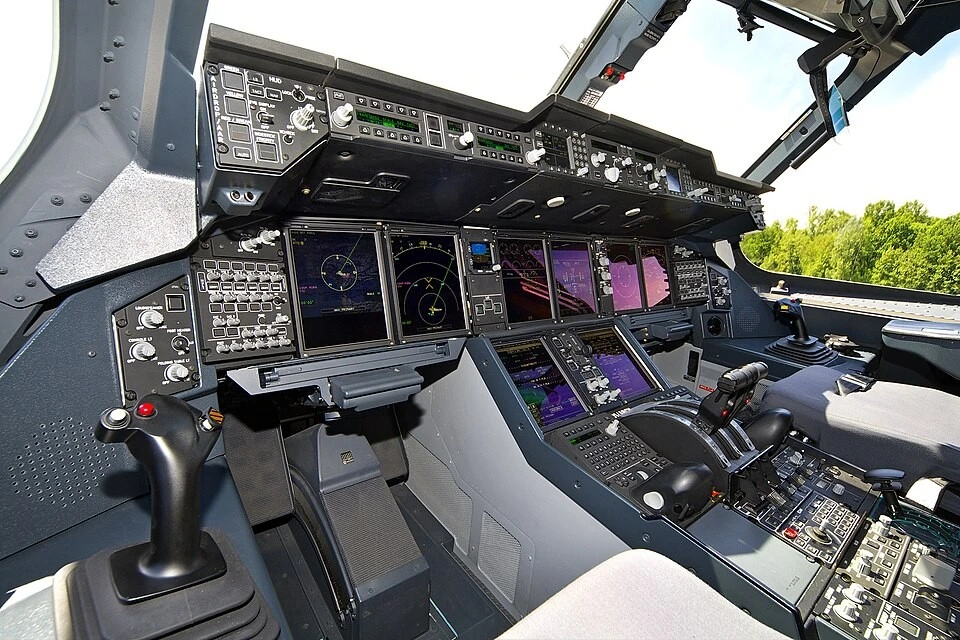
    The digital flight deck and fly-by-wire controls support the transport role.

  • Cabin and cargo

    The cargo space can be equipped for different transport roles. Interior fittings and floor limits depend on the configuration.

  • Onboard systems

    Fuel, hydraulic and electrical references document the equipment fitted to the certified A400M-180.

Technical notes

Design notes

  • The A400M-180 uses four Europrop International TP400-D6 turboprops.
  • The rear ramp gives access to the main cargo deck for loading vehicles and other large cargo.

Advantages

  • The cargo deck accommodates bulky cargo that can be loaded from the rear.

Limitations

  • Approved configurations and limitations are listed in the aircraft's certification and flight manual documents.
Family Technical Profile

Airbus A400M Atlas is one of Airbus's platforms in its market segment, balancing capacity, range, airport compatibility, maintenance economics, and mission flexibility.

Airbus A400M Atlas serves the military_transport market with family commonality and multiple configurations.

Technical features

  • Airbus A400M Atlas: Missionized structure · structure. Floor strength, ramps, doors, or mission equipment support cargo, surveillance, or maritime patrol roles.
  • Airbus A400M Atlas: Military avionics and communications · avionics. Secure radios, sensors, tactical displays, and mission computers distinguish the aircraft from civil variants.
  • Airbus A400M Atlas: Field performance · range_payload. Runway performance, payload, and operating environment matter more than pure seat-mile economics.
  • Airbus A400M Atlas: Systems redundancy · safety. Military missions require robust electrical, hydraulic, navigation, and defensive-system integration.
  • Airbus A400M Atlas: Multi-role adaptability · operational_efficiency. The platform can be configured for transport, patrol, training, surveillance, or special missions.

Advantages

  • One platform can cover several capacity and mission bands.
  • Family design reduces training, maintenance, and spares complexity.
  • Engine, wingtip, avionics, or structural upgrades can extend lifecycle value.

Weaknesses

  • Configuration identification complexity. Visually similar aircraft can differ materially by engine, weight standard, cabin layout, and conversion status.
  • Generation-dependent economics. Older generations usually trail newer designs in fuel burn, noise, avionics, or maintenance intervals.
  • Market-fit limits. Every variant has an ideal capacity and range band; outside it, load factor, range, or cost can become limiting.

Markets

  • Network airline trunk or feeder markets
  • Leasing and fleet replacement markets
  • Military transport, tanker, and special-mission markets

Operators

  • Full-service network airlines
  • Low-cost or leisure airlines
  • Cargo, government, or special-mission operators

Routes and missions

  • High-frequency short or medium-haul trunk routes
  • Medium-density long-haul or cross-regional routes
  • Fleet replacement, supplementation, or special missions
Sources