747-200F

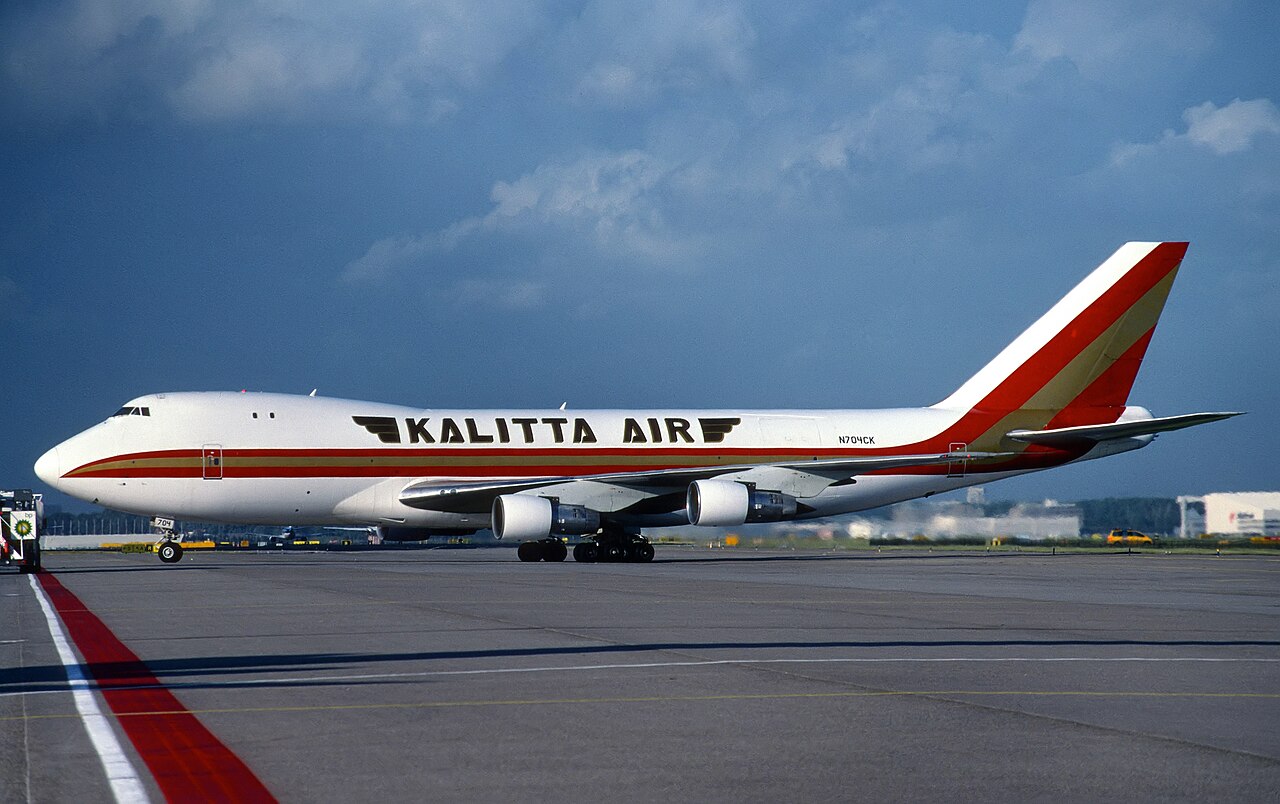
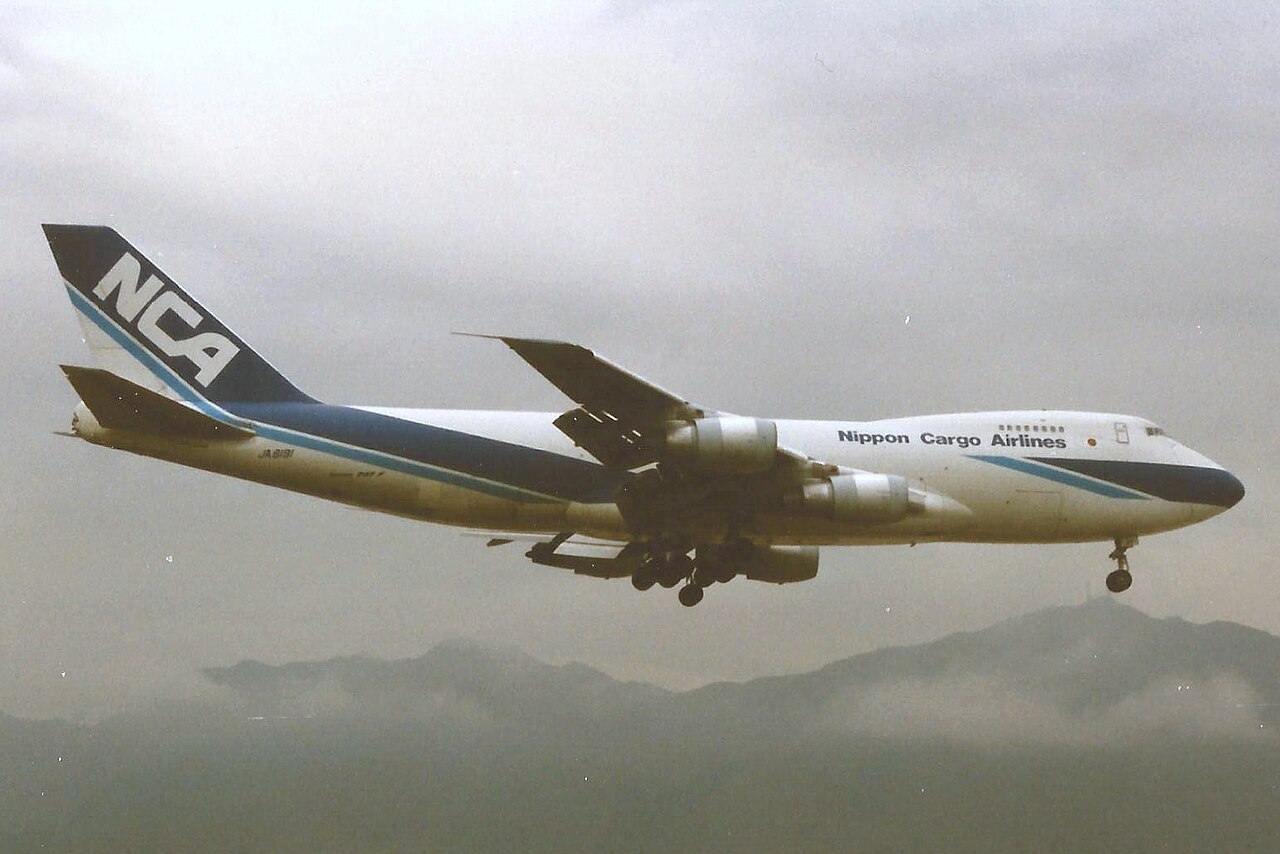
The 747-200F was the production freighter in the -200 series. Its hinged nose and main-deck loading arrangement accommodated oversized cargo.

At a glance

747-200F

Length
70.65 m
Wingspan
59.65 m
Published range
3,615 nmBoeing design example · 110.13 t revenue load at 833,000 lb MTOW
Engine options
JT9D-7AW · JT9D-7FW · JT9D-7Q · CF6-50E2 · RB211-524D4Published 747-200F example installations
Main landing gear
Two 4-wheel wing gears + two 4-wheel body gears
Sources
747-200 model line

Compare models

Current aircraft747-200
Compare with

Comparing 747-200F with 747-200.

Specification747-200F747-200
Length70.65 m70.65 m
Wingspan59.65 m59.65 m
Maximum take-off weight377.84 t377.8 tRepresentative 747-200B passenger configuration
Maximum payload110.96 tJT9D-7Q highest-takeoff-weight planning column68.18 t747-200B · JT9D-7R4G2 configuration
Fuel tank capacity198,370 LStandard usable fuel in JT9D-7Q configuration198,370 L747-200B · standard usable capacity with Pratt & Whitney or Rolls-Royce engines
Engine optionsJT9D-7AW · JT9D-7FW · JT9D-7Q · CF6-50E2 · RB211-524D4Published 747-200F example installationsJT9D · CF6-50 · RB211-524747-200B passenger engine families
Typical two-class seatsUnavailable452Boeing 747-200B two-class example
Published range3,615 nmiBoeing design example · 110.13 t revenue load at 833,000 lb MTOW5,750 nmiApproximate chart reading · 747-200B · 452 passengers and baggage · JT9D-7Q

A dash indicates that a verified figure is unavailable. Figures follow the configuration specified by each source.

Comparison sources

Identification

Use these features to recognise the Boeing 747 Family. Check the aircraft or programme record for the 747-200F designation.

Upper deck
Find the raised section immediately behind the flight deck. The hump ends partway along the fuselage, while an A380 carries two decks almost its full length.
Wingtips
Count four engines under the wings, then check the tips. The standard passenger 747-400 has upturned winglets. The 747-8 uses long swept-back tips.

The length of the upper deck varies between passenger, freighter and converted models.

Design & cabins

Engine references
JT9D · CF6-50
Technical notes

Design notes

  • Engine sub-variants can represent thrust rating, combustor standard, software standard, or installation differences rather than a fully separate hardware family.
  • Use aircraft subtype, operator fleet data, and registration-level records before identifying a specific airframe engine.

Advantages

  • Precise engine sub-variant lookup is available for this model.

Limitations

  • Some planned, development, or military configurations may require certificate-level confirmation before operational use.
Variant Technical Profile

747-200F is a specific configuration within 747-200, developed to cover a defined capacity, range, payload, or mission requirement inside the wider family.

747-200F is positioned as a capacity/range-specific solution within the freighter segment, serving routes better matched than sibling variants.

Technical features

  • 747-200F: Cargo door and floor loading · structure. Main-deck doors, reinforced floors, and cargo loading systems define usable freight capability.
  • 747-200F: Payload-volume balance · range_payload. The aircraft must balance container volume, structural payload, and range for express or general cargo.
  • 747-200F: Freighter conversion economics · maintenance. Passenger-to-freighter variants depend on feedstock price, engine life, and structural condition.
  • 747-200F: Belly and main-deck logistics · operational_efficiency. ULD compatibility, loading height, and turnaround flow shape cargo network efficiency.
  • 747-200F: Engine maintenance sensitivity · engine. Cargo operators often prioritize durable engines and predictable maintenance cost over passenger cabin features.

Advantages

  • Provides a more precise capacity or range match within the family.
  • Retains training, maintenance, and parts commonality with sibling variants.
  • Lets operators tune engine, cabin, and payload choices to route needs.

Weaknesses

  • Configuration identification complexity. Visually similar aircraft can differ materially by engine, weight standard, cabin layout, and conversion status.
  • Generation-dependent economics. Older generations usually trail newer designs in fuel burn, noise, avionics, or maintenance intervals.
  • Market-fit limits. Every variant has an ideal capacity and range band; outside it, load factor, range, or cost can become limiting.

Markets

  • Network airline trunk or feeder markets
  • Leasing and fleet replacement markets
  • Regional, domestic, or international airline markets

Operators

  • Full-service network airlines
  • Low-cost or leisure airlines
  • Cargo, government, or special-mission operators

Routes and missions

  • High-frequency short or medium-haul trunk routes
  • Medium-density long-haul or cross-regional routes
  • Express and general air-cargo networks

Sibling comparison

  • smaller sibling variants. Usually provides more seats, cargo volume, or thrust demand, but can be harder to fill on thinner routes.
  • larger or longer-range sibling variants. Usually has lower acquisition and operating exposure, but less range, payload, or growth margin.
Sources