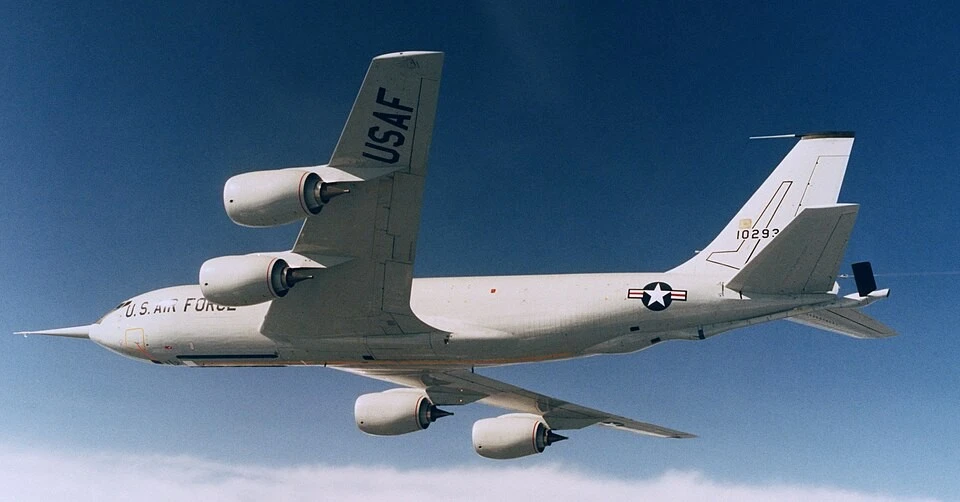
Boeing KC-135 Stratotanker is one of Boeing's platforms in its market segment, balancing capacity, range, airport compatibility, maintenance economics, and mission flexibility.
Boeing KC-135 Stratotanker serves the tanker market with family commonality and multiple configurations.
Technical features
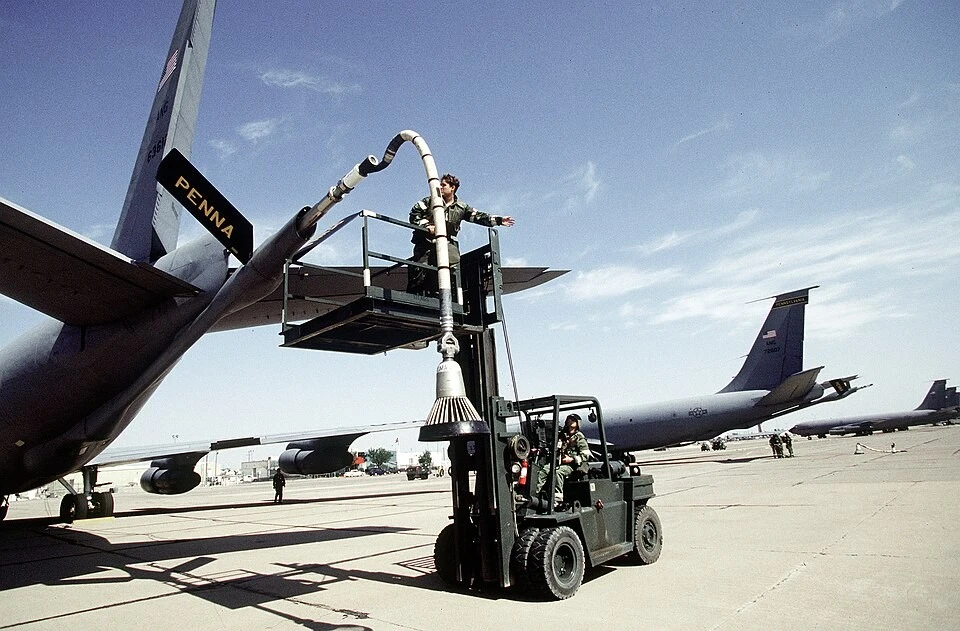
- Boeing KC-135 Stratotanker: Fuel offload system · engine. Booms, hose-and-drogue pods, and fuel-management systems define refueling capability.
- Boeing KC-135 Stratotanker: Wide-body or transport base · structure. Tanker derivatives use existing airliner or transport structures to reduce development risk.
- Boeing KC-135 Stratotanker: Mission avionics · avionics. Operator consoles, cameras, communications, and navigation systems support refueling operations.
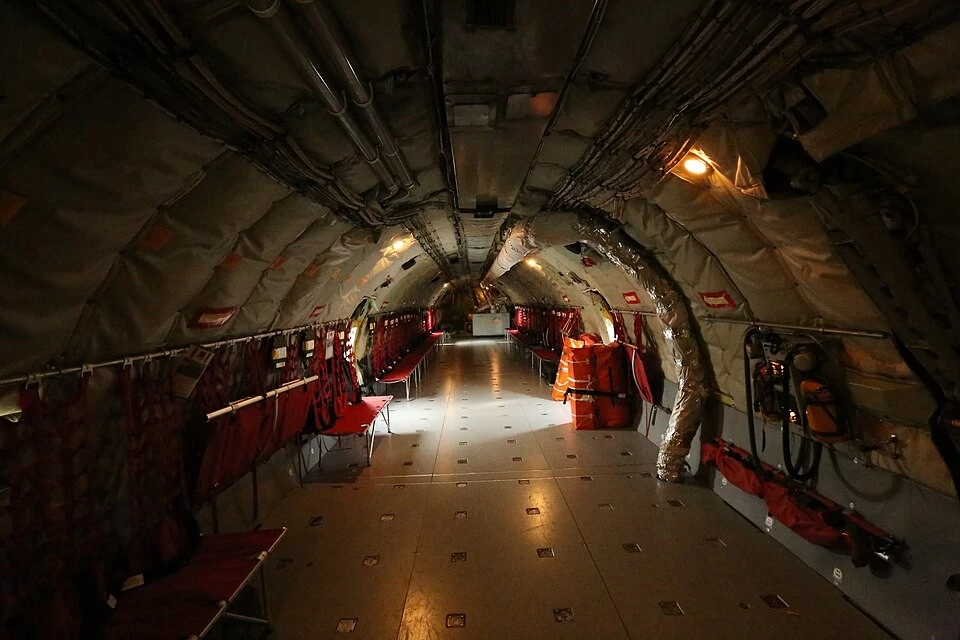
- Boeing KC-135 Stratotanker: Cargo and passenger flexibility · operational_efficiency. Many tankers retain pallet, troop, medical evacuation, or VIP transport capability.
- Boeing KC-135 Stratotanker: Long endurance · range_payload. Fuel capacity and efficient cruise performance support distant deployments and loiter time.
Advantages
- One platform can cover several capacity and mission bands.
- Family design reduces training, maintenance, and spares complexity.
- Engine, wingtip, avionics, or structural upgrades can extend lifecycle value.
Weaknesses
- Configuration identification complexity. Visually similar aircraft can differ materially by engine, weight standard, cabin layout, and conversion status.
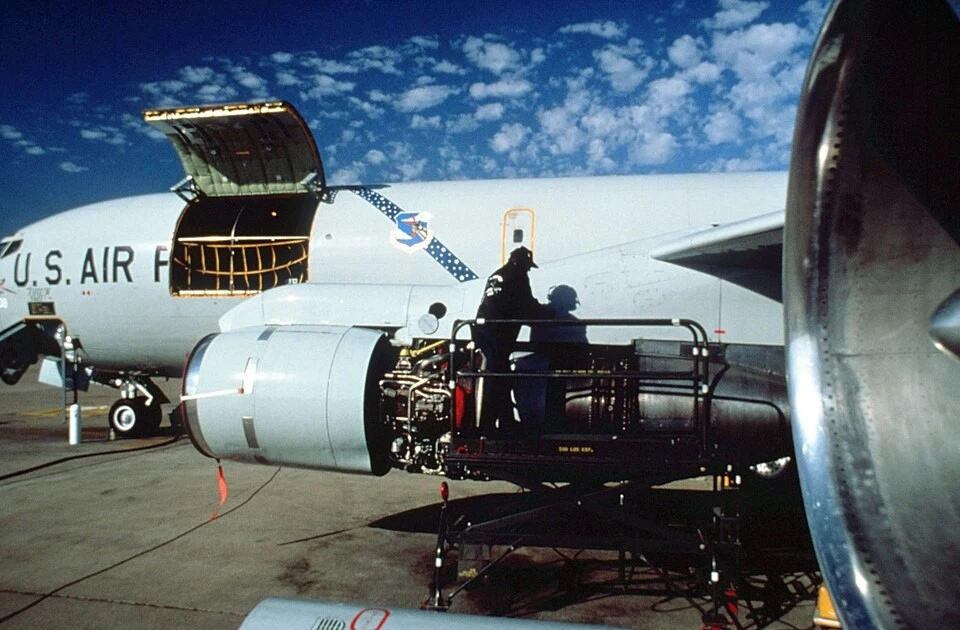
- Generation-dependent economics. Older generations usually trail newer designs in fuel burn, noise, avionics, or maintenance intervals.
- Market-fit limits. Every variant has an ideal capacity and range band; outside it, load factor, range, or cost can become limiting.
Markets
- Network airline trunk or feeder markets
- Leasing and fleet replacement markets
- Military transport, tanker, and special-mission markets
Operators
- Full-service network airlines
- Low-cost or leisure airlines
- Cargo, government, or special-mission operators
Routes and missions
- High-frequency short or medium-haul trunk routes
- Medium-density long-haul or cross-regional routes
- Fleet replacement, supplementation, or special missions