

YKSYR · SyrianAir
Boeing 737-500 · IST/LTFM ·
CFM56-3B1 belongs to the CFM56-3 branch. Published aircraft certification records pair this rating with 737-300 and 737-500.
Takeoff thrust (5 min) · EASA E.066 · pp. 6, 11
Pound-force values from SI ratings are rounded to the nearest whole unit.
| Model | Thrust | Aircraft listed |
|---|---|---|
| CFM56-3B1 | 20,100 lbf = 89.41 kN | 737-300 · 737-500 |
| CFM56-3B2 | 22,099 lbf = 98.30 kN | 737-300 · 737-400 |
| CFM56-3C1 | 23,515 lbf = 104.60 kN | 737-300 · 737-400 · 737-500 |
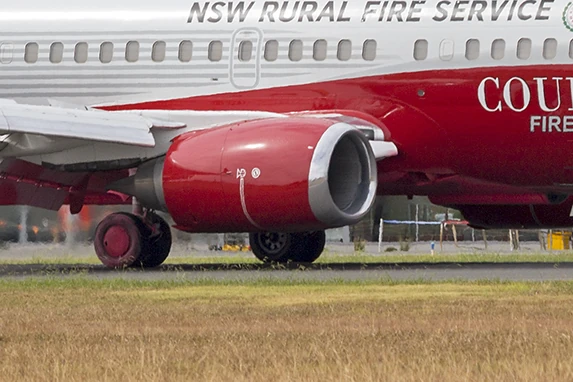
The CFM56-3 is the engine branch for the Boeing 737 Classic. Its underwing nacelle was designed for the 737's limited ground clearance.
The flattened inlet is especially apparent on the 737 Classic and Next Generation. These generations use distinct -3 and -7B installations. CFM International CFM56 programme and history
Use the engine data plate or the aircraft’s configuration records to confirm the exact suffix.
Different branches adapt the fan, core and nacelle to the aircraft. The -3 is closely packaged under the 737 Classic wing and the -5C is the A340 branch. CFM International CFM56 programme and history
The CFM56-2 entered commercial service in 1982. The -3 followed with the 737 Classic, and the family later expanded to the A320 and 737 Next Generation. CFM International CFM56 programme and history
The references document the CFM56-3 series. A separate approval date for CFM56-3B1 remains unconfirmed.
Aircraft certification records distinguish ratings, combustor configurations and modifications. The full suffix, including slashes, matters when comparing variants. CFM International CFM56 programme and history
Certification test data are per engine and use the ICAO reference cycle. Fuel-flow values refer to individual test points.
Each example gives lateral, flyover and approach levels for a specific aircraft and engine configuration at its listed maximum takeoff mass.
0 photos tagged CFM56-3B1