Home/Encyclopedia/Embraer/Embraer Legacy and Lineage

Embraer Legacy and Lineage

Legacy 600/650 and Lineage 1000 are Embraer business aircraft derived from different commercial-jet platforms.

Models at a glance

Legacy 600

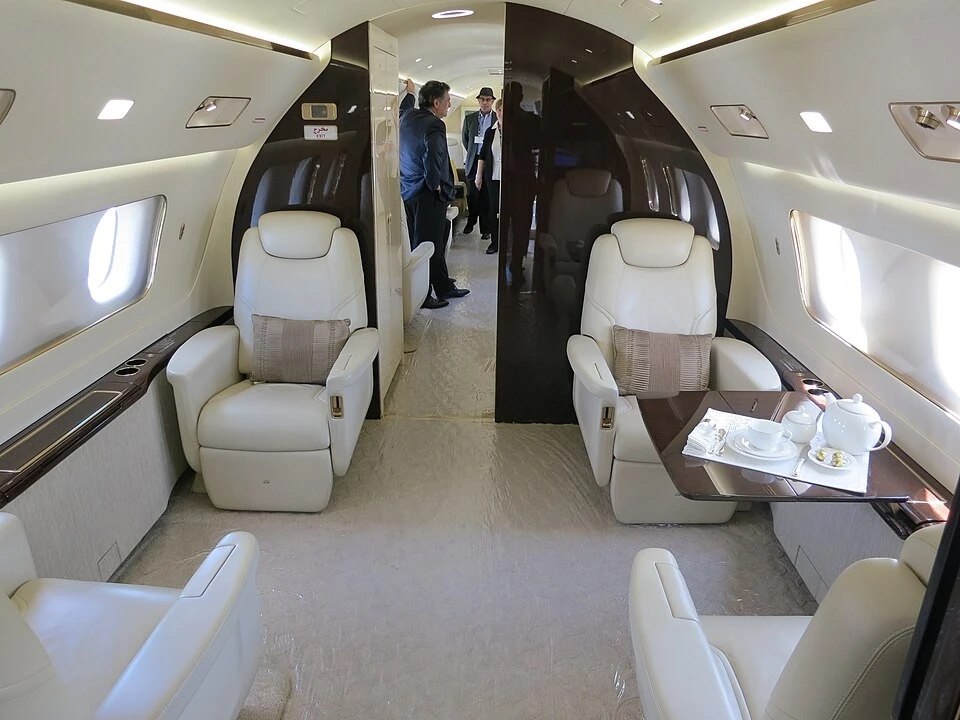
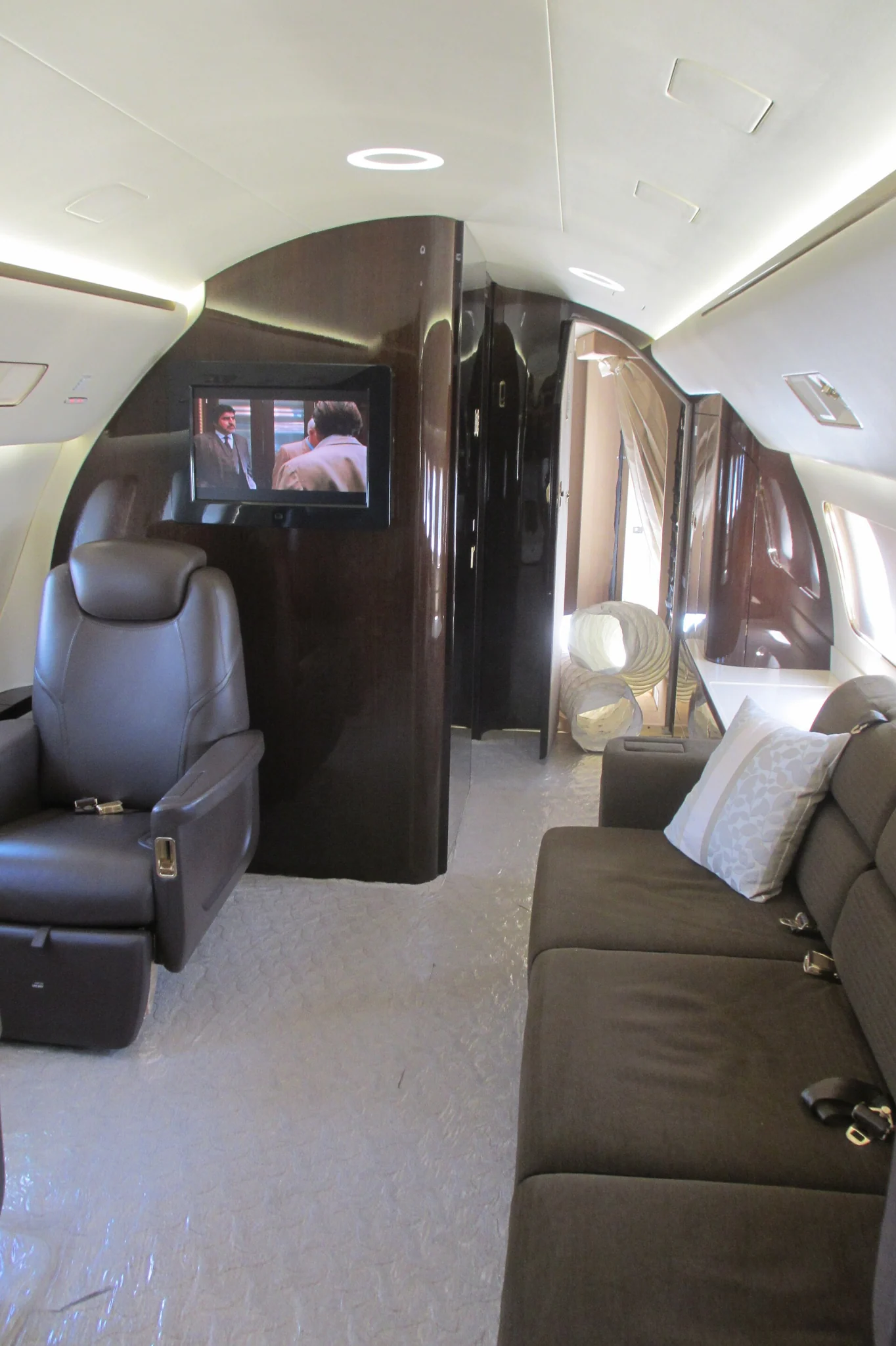
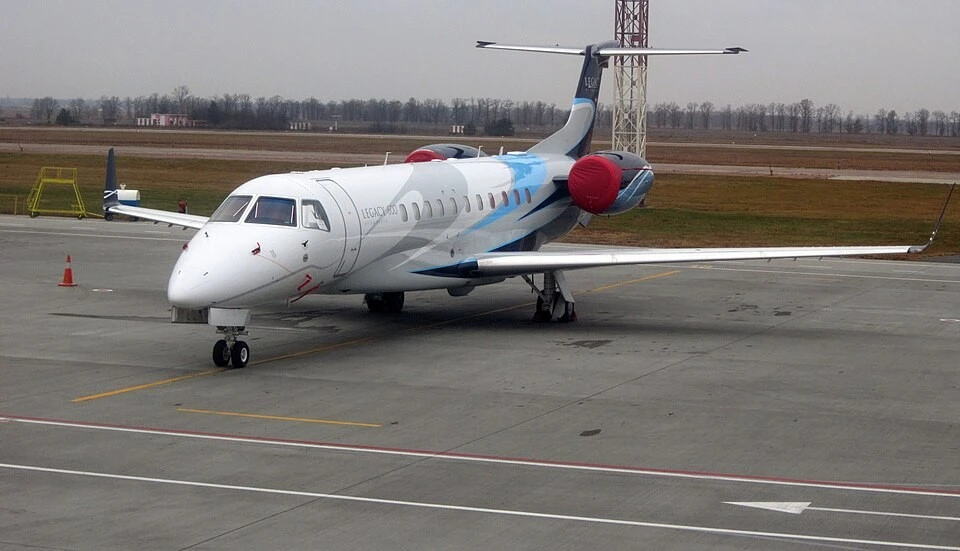
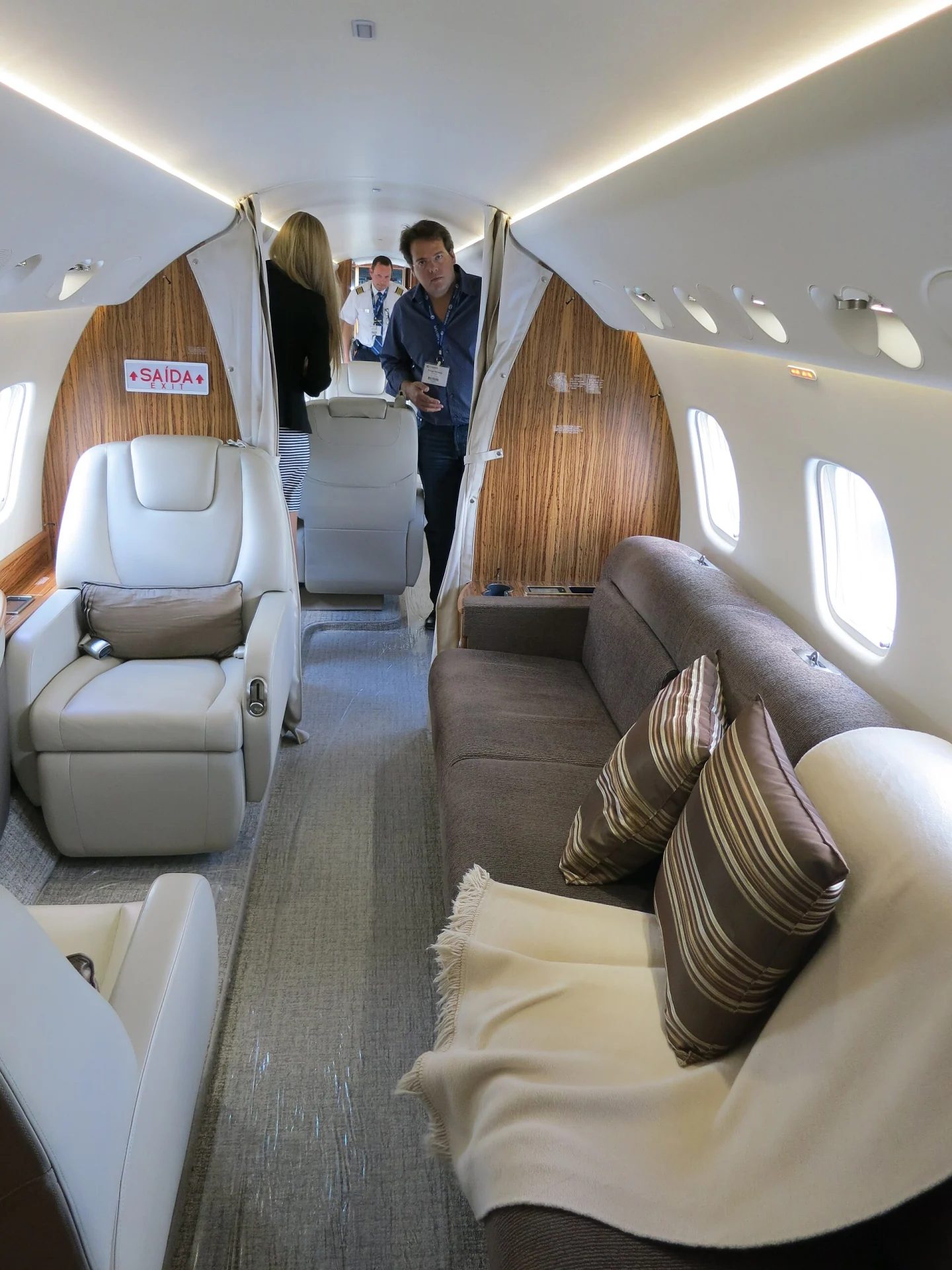
The Legacy 600 adapts the ERJ 135 airframe into a long-range business jet. The interior, additional fuel capacity and winglets distinguish it from the regional passenger model.

Length
26.33 m
Wingspan
21.09 m
Published range
3,250 nmEmbraer figure with eight passengers and NBAA IFR reserves
Maximum passenger seats
19Certified maximum; fleet cabin configurations vary
Engine options
AE3007A1E
Main landing gear
1 axle · 2 wheels per side

Legacy 650

The Legacy 650 is the extended-range development of the Legacy 600. Its business cabin uses the same ERJ-derived platform.

Length
26.33 m
Wingspan
21.09 m
Published range
3,900 nmPublished Legacy 650 range with four passengers
Maximum passenger seats
19Certified maximum; fleet cabin configurations vary
Engine options
AE3007A2
Main landing gear
1 axle · 2 wheels per side
Sources

Lineage 1000

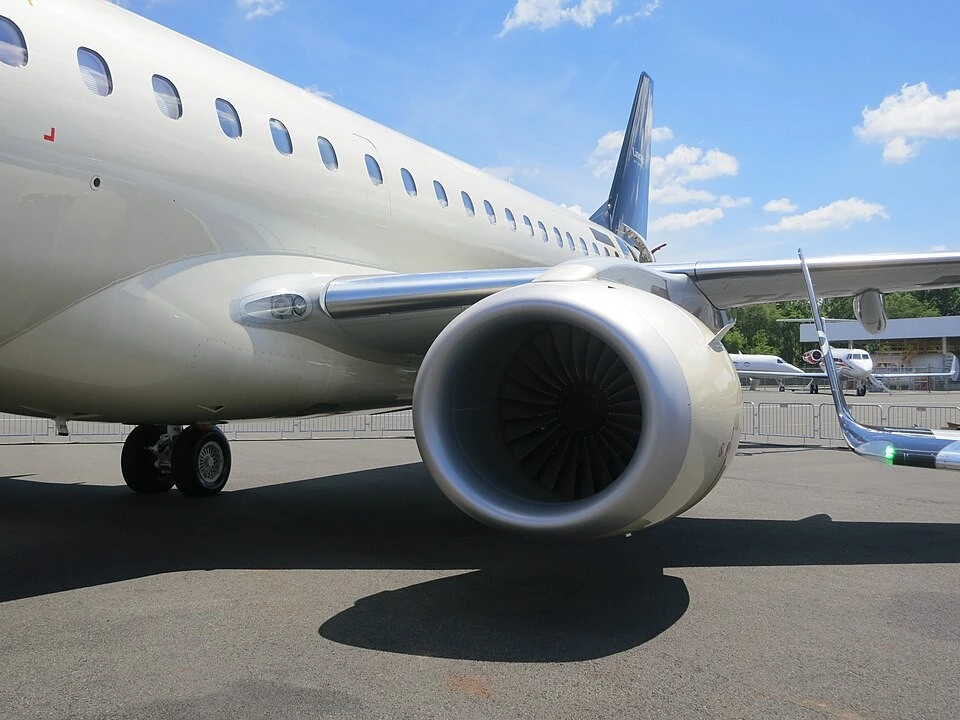
The Lineage 1000 is the executive derivative of Embraer's E190. A multi-zone cabin and long-range fuel provisions distinguish it from the airline model.

Length
36.24 m
Wingspan
28.72 m
Published range
4,200 nmManufacturer launch design figure with eight passengers and NBAA IFR reserves
Engine options
CF34-10E7-B
Main landing gear
1 axle · 2 wheels per side
Sources

Identification

Engine location
The Lineage 1000 has E-Jet proportions and engines beneath the wing. Legacy 450, 500, 600 and 650 aircraft carry their engines at the rear.
Legacy cabin length
Compare the rear-engined Legacy side views at the same scale. The ERJ-based Legacy 600 and 650 have a longer, slimmer cabin than the 450 and 500.

A Lineage and a passenger E190 share the basic outline. Confirm the business-jet configuration using the aircraft record.

Design & cabins

  • Legacy 600 and 650: from regional jet to business jet

    The EMB-135-based Legacy uses the ERJ platform with a business cabin and fuel provisions designed for longer sectors.

  • Lineage 1000: E190 platform and multi-zone cabin

    The larger, E190-derived Lineage combines additional fuel capacity with a multi-zone executive cabin.

More aircraft systems
  • Airframe and aerodynamics

    The ERJ and E190 parent airframes have distinct wings, fuselage geometry and structural provisions.

  • Powerplant and fuel

    Certified engines and fuel systems are identified separately for Legacy and Lineage.

  • Flight controls and avionics

    The two branches have different aircraft ancestry and cockpit equipment. Retrofit standards belong to the aircraft fitted.

  • Cabin and cargo

    Compare the interior zones, lower cargo and baggage access, and environmental systems by branch.

  • Landing gear and braking

    The two platforms retain different main gear and braking arrangements.

Technical notes

Design notes

  • Legacy 600/650 aircraft are associated with the ERJ 145 platform.
  • Lineage 1000 derives from the larger E190 platform; it is not a Legacy 650 variant.

Advantages

  • Commercial-aircraft heritage provides cabin and mission flexibility.

Limitations

  • These are distinct airframes with different cabin sizes, systems, and operating characteristics.
Family Technical Profile

Embraer Legacy and Lineage is one of Embraer's platforms in its market segment, balancing capacity, range, airport compatibility, maintenance economics, and mission flexibility.

Embraer Legacy and Lineage serves the business_jet market with family commonality and multiple configurations.

Technical features

  • Embraer Legacy and Lineage: Premium cabin volume · cabin. Cabin height, width, quietness, and baggage volume matter more than airline seat density.
  • Embraer Legacy and Lineage: Range and runway flexibility · range_payload. Business aircraft balance long sectors with access to smaller airports.
  • Embraer Legacy and Lineage: Avionics workload reduction · avionics. Integrated flight decks, automation, and situational awareness help small crews operate efficiently.
  • Embraer Legacy and Lineage: Low cabin noise · passenger_comfort. Engine placement, insulation, and systems tuning are optimized for passenger comfort.
  • Embraer Legacy and Lineage: Maintenance support network · maintenance. Private operators need predictable inspections, parts access, and dispatch reliability.

Advantages

  • One platform can cover several capacity and mission bands.
  • Family design reduces training, maintenance, and spares complexity.
  • Engine, wingtip, avionics, or structural upgrades can extend lifecycle value.

Weaknesses

  • Configuration identification complexity. Visually similar aircraft can differ materially by engine, weight standard, cabin layout, and conversion status.
  • Generation-dependent economics. Older generations usually trail newer designs in fuel burn, noise, avionics, or maintenance intervals.
  • Market-fit limits. Every variant has an ideal capacity and range band; outside it, load factor, range, or cost can become limiting.

Markets

  • Network airline trunk or feeder markets
  • Leasing and fleet replacement markets
  • Regional, domestic, or international airline markets

Operators

  • Full-service network airlines
  • Low-cost or leisure airlines
  • Business aviation and charter operators

Routes and missions

  • High-frequency short or medium-haul trunk routes
  • Medium-density long-haul or cross-regional routes
  • Fleet replacement, supplementation, or special missions
Sources