Home/Encyclopedia/Embraer/Embraer ERJ 135/140/145 Family

Embraer ERJ 135/140/145 Family

A family of smaller regional jets derived from the ERJ 145 platform, covering the ERJ 135, 140, and 145 and their range variants.

Models at a glance

ERJ 135

The ERJ 135 is the shortest aircraft in Embraer's ERJ 145-derived regional jet family. It retains that family's rear-engine, three-abreast layout.

Length
26.33 m
Wingspan
20.04 m
Published range
1,750 nmERJ135LR · standard single-class load
Maximum passenger seats
37
Engine options
AE3007A1/3
Main landing gear
1 axle · 2 wheels per side
Sources

ERJ 140

The ERJ 140 fits between the ERJ 135 and ERJ 145 in fuselage length. It was designed to serve regional routes that need capacity between the two.

Length
28.47 m
Wingspan
20.06 m
Published range
1,650 nmERJ140LR · standard single-class load
Maximum passenger seats
44
Engine options
AE3007A1/3
Main landing gear
1 axle · 2 wheels per side
Sources

ERJ 145

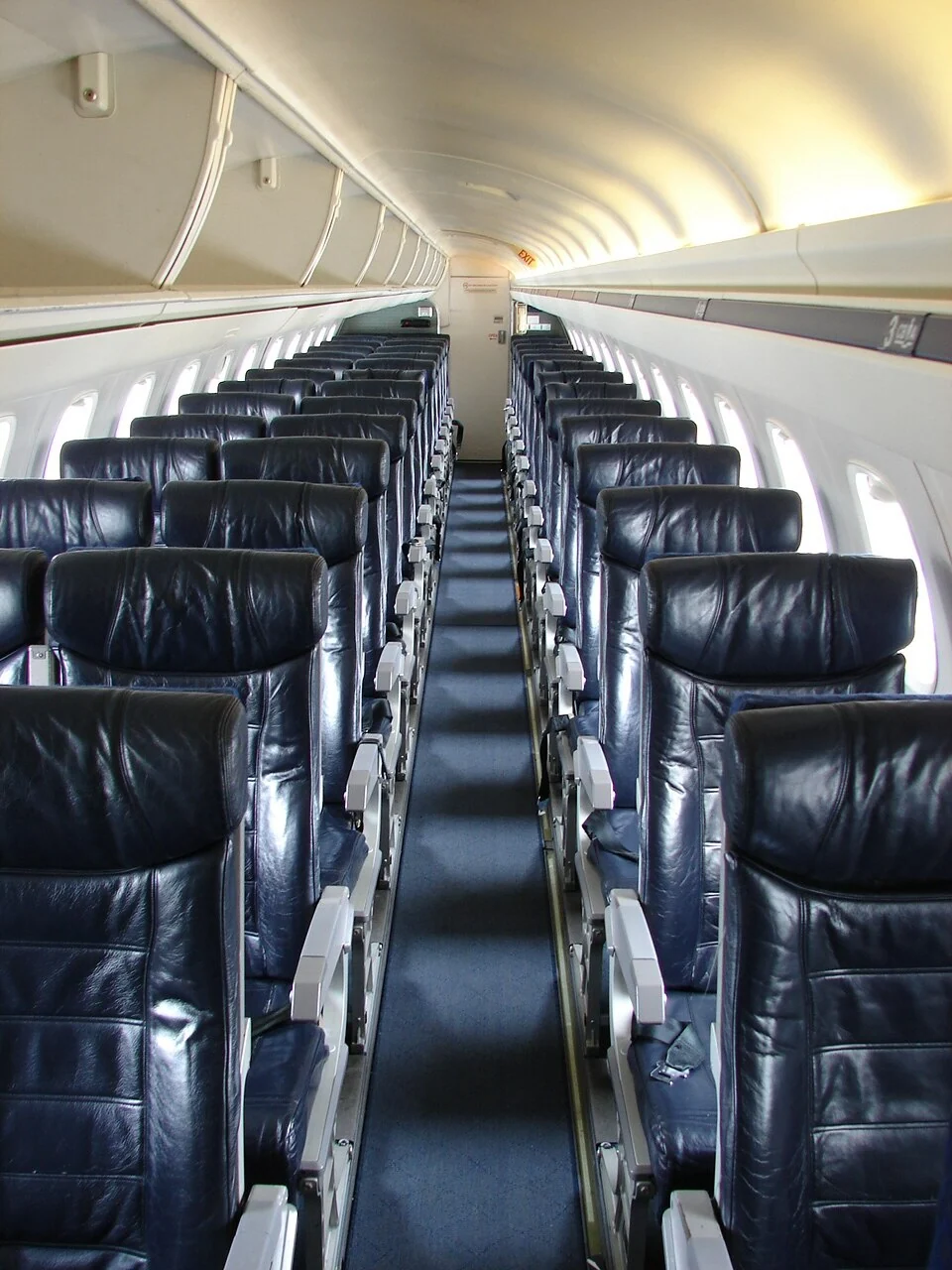
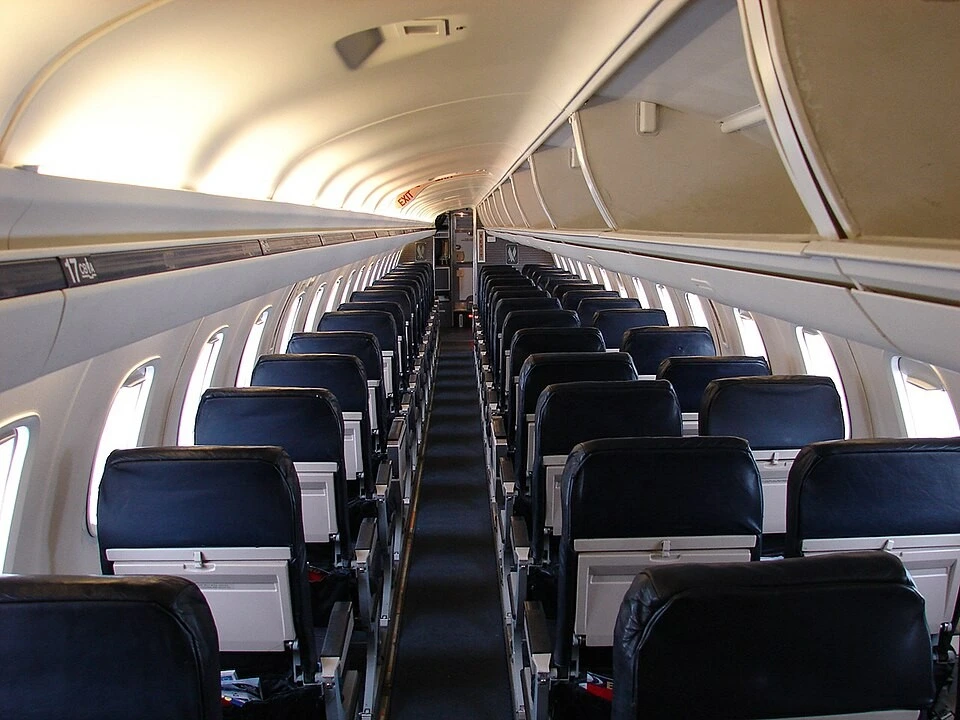
The ERJ 145 is the original longer member of Embraer's regional jet family. Its narrow three-abreast cabin and rear-mounted AE3007 engines are characteristic of the design.

Entered service
1996
Length
29.87 m
Wingspan
20.06 m
Published range
1,550 nmERJ145LR with a full passenger load
Typical two-class seats
48LOT Polish Airlines example with a movable Business and Economy split
Maximum passenger seats
50
Engine options
AE3007A · AE3007A1/1 · AE3007A1P
Main landing gear
1 axle · 2 wheels per side
Sources
ERJ 145 variants

ERJ 145LR

The ERJ 145LR is a long-range configuration of the baseline ERJ 145. It preserves the -145 fuselage while extending route capability.

Length
29.87 m
Wingspan
20.06 m
Published range
1,550 nmStandard single-class load
Maximum passenger seats
50
Engine options
AE3007A1 · AE3007A1/1 · AE3007A1P
Main landing gear
1 axle · 2 wheels per side
Sources

ERJ 145XR

The ERJ 145XR is the extra-range version of the ERJ 145. Its winglets make it visibly distinct from earlier -145 configurations.

Length
29.87 m
Wingspan
19.99 m
Published range
2,000 nmStandard single-class load
Maximum passenger seats
50
Engine options
AE3007A1E
Main landing gear
1 axle · 2 wheels per side
Sources

EMB 145 AEW&C

The EMB 145 AEW&C adapts an ERJ 145-family airframe to airborne early warning. A dorsal radar fairing distinguishes the special-mission aircraft from the passenger jet.

Entered service
Unavailable
Length
29.87 mBrazilian E-99 configuration
Wingspan
21 mBrazilian E-99 configuration
Published range
Unavailable
Typical two-class seats
Unavailable
Maximum passenger seats
Unavailable
Engine options
AE3007Rolls-Royce published engine family
Main landing gear
Unavailable
Sources

Identification

Engine placement
Locate the T-tail and twin nacelles at the back of the narrow fuselage. The larger E-Jets put their engines beneath the wing.
Cabin length
Compare the cabin sections in side-on views. The ERJ135 is the shortest. The ERJ140 sits between the ERJ135 and the longer ERJ145.

Several regional jets have this engine and tail layout. Check the whole outline and confirm the registration.

Design & cabins

  • One platform in three fuselage lengths

    The ERJ 135, 140 and 145 use a related narrow regional airframe with different fuselage lengths and capacities.

  • AE 3007 rear-mounted engines and T-tail

    Rolls-Royce AE 3007-series engines sit behind the cabin, with the horizontal tail mounted high on the fin.

  • ERJ 145LR and XR range configurations

    The long-range branches differ in fuel and weight provisions. Winglets are a visible clue to the 145XR, with any retrofit identified separately.

More aircraft systems
  • Airframe and aerodynamics

    The airport planning manual compares the wing, ground envelope and variant-specific fuselage lengths.

  • Flight controls and avionics

    Cockpit and avionics references follow the shared regional-jet platform and individual equipment standards.

  • Cabin and cargo

    The three-abreast cabin and baggage loading arrangements differ in length across the 135/140/145. Specialised derivatives have their own interiors.

  • Landing gear and braking

    Ground clearances, pavement loads and gear geometry are documented by variant.

Technical notes

Design notes

  • The ERJ 145 is the largest passenger member; the ERJ 135 and 140 address smaller regional markets.
  • LR and XR suffixes identify distinct range-oriented configurations, not separate aircraft families.
  • The EMB 145 airframe also underpins surveillance and reconnaissance missions.

Advantages

  • Allows airlines to match capacity to thinner regional routes.

Limitations

  • Engine, range, and cabin details must be checked against the exact subtype and operator.
Family Technical Profile

Embraer ERJ 135/140/145 Family is one of Embraer's platforms in its market segment, balancing capacity, range, airport compatibility, maintenance economics, and mission flexibility.

Embraer ERJ 135/140/145 Family serves the regional_jet market with family commonality and multiple configurations.

Technical features

  • Embraer ERJ 135/140/145 Family: Right-sized cabin · cabin. Smaller cross-sections and lower trip cost support thin routes that cannot fill larger mainline jets.
  • Embraer ERJ 135/140/145 Family: Regional engine thrust class · engine. Engines are sized for lower passenger counts and frequent short sectors rather than heavy long-haul payload.
  • Embraer ERJ 135/140/145 Family: Airport access · airport_compatibility. Runway, ramp, and gate compatibility are optimized for secondary airports and regional networks.
  • Embraer ERJ 135/140/145 Family: High-utilization systems · maintenance. Maintenance access and dispatch reliability are important because regional aircraft fly many cycles.
  • Embraer ERJ 135/140/145 Family: Scope and network fit · operational_efficiency. Seat count and range often reflect airline scope clauses, feeder networks, and right-sizing strategy.

Advantages

  • One platform can cover several capacity and mission bands.
  • Family design reduces training, maintenance, and spares complexity.
  • Engine, wingtip, avionics, or structural upgrades can extend lifecycle value.

Weaknesses

  • Configuration identification complexity. Visually similar aircraft can differ materially by engine, weight standard, cabin layout, and conversion status.
  • Generation-dependent economics. Older generations usually trail newer designs in fuel burn, noise, avionics, or maintenance intervals.
  • Market-fit limits. Every variant has an ideal capacity and range band; outside it, load factor, range, or cost can become limiting.

Markets

  • Network airline trunk or feeder markets
  • Leasing and fleet replacement markets
  • Regional, domestic, or international airline markets

Operators

  • Full-service network airlines
  • Low-cost or leisure airlines
  • Cargo, government, or special-mission operators

Routes and missions

  • High-frequency short or medium-haul trunk routes
  • Medium-density long-haul or cross-regional routes
  • Fleet replacement, supplementation, or special missions

Sources