Home/Encyclopedia/Embraer/Embraer C-390 Millennium

Embraer C-390 Millennium

The C-390 is Embraer's jet-powered multi-mission military transport; the KC-390 configuration adds aerial-refueling capability.

Models at a glance

C-390

The C-390 Millennium is Embraer's twinjet military transport. It combines IAE V2500-E5 engines with a high wing and a cargo ramp.

Entered service
Unavailable
First flight
2015KC-390 programme prototype
Length
35.2 m
Wingspan
35.05 m
Published range
3,370 nmEmbraer standard ferry range
Range at stated payload
1,080 nmAt a payload of 26 t
Maximum cargo payload
26 tConcentrated load
Engine options
V2500-E5
Main landing gear
Unavailable
Sources

KC-390

The KC-390 is the tanker-capable configuration of the C-390 Millennium airlifter. It shares the C-390 base airframe and its twin V2500-E5 installation.

Entered service
2019
First flight
2015KC-390 programme prototype
Length
35.2 m
Wingspan
35.05 m
Published range
3,370 nmEmbraer standard ferry range
Range at stated payload
1,080 nmAt a payload of 26 t
Maximum cargo payload
26 tConcentrated load
Engine options
V2500-E5
Main landing gear
Unavailable
Sources

Identification

High wing and jet nacelles
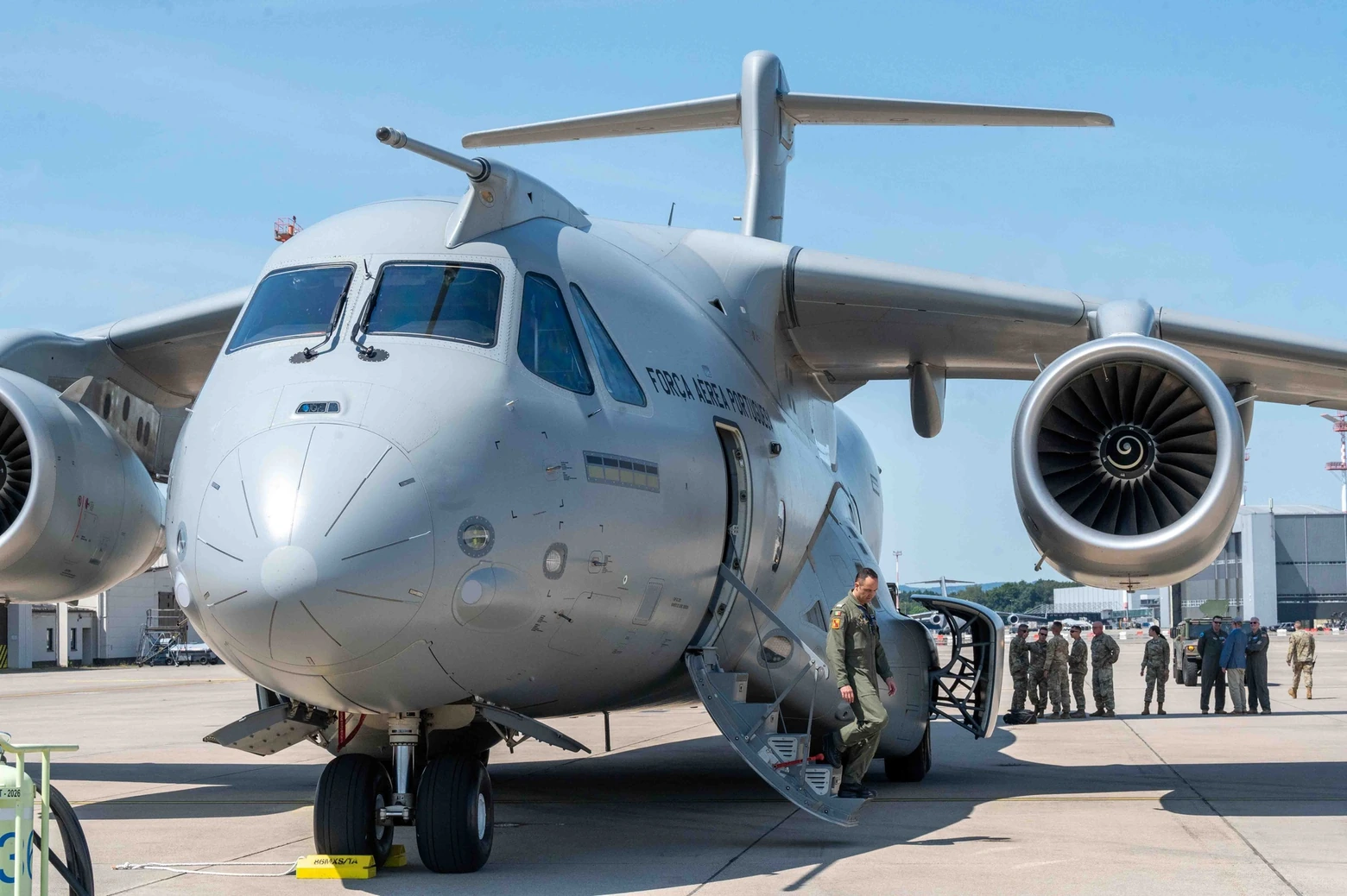
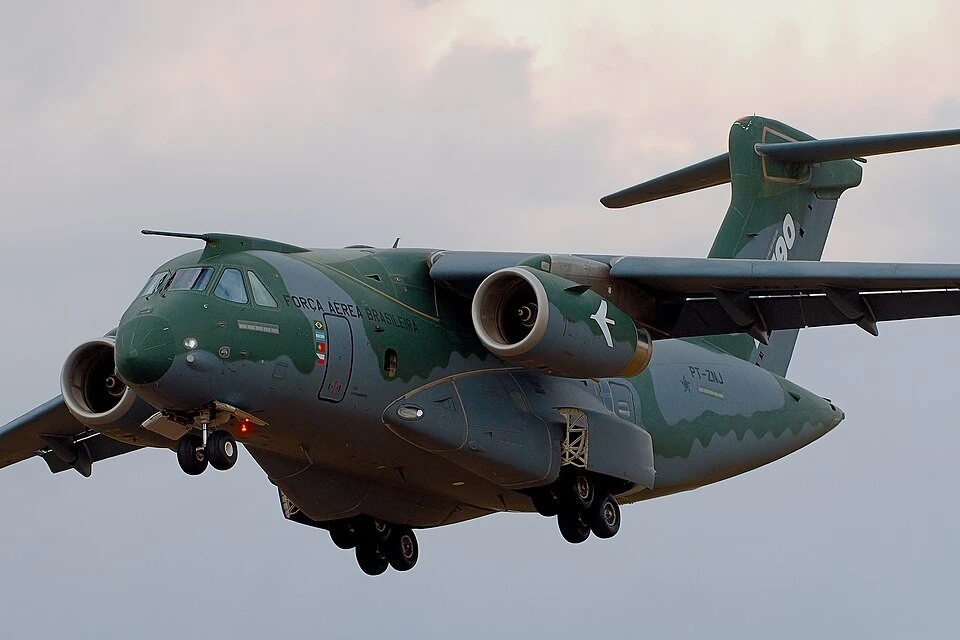
Look for a high swept wing with one turbofan underneath each side. This separates the C-390 from four-propeller transports such as the C-130.
Tail profile
Check the T-tail and the upswept rear fuselage beneath it. Both are clear in a full side view.

Design & cabins

  • IAE V2500-E5 twin-turbofan installation

    The C-390 uses V2500-E5 engines adapted for the high-wing jet transport.

  • High wing, continuous cargo deck and rear ramp

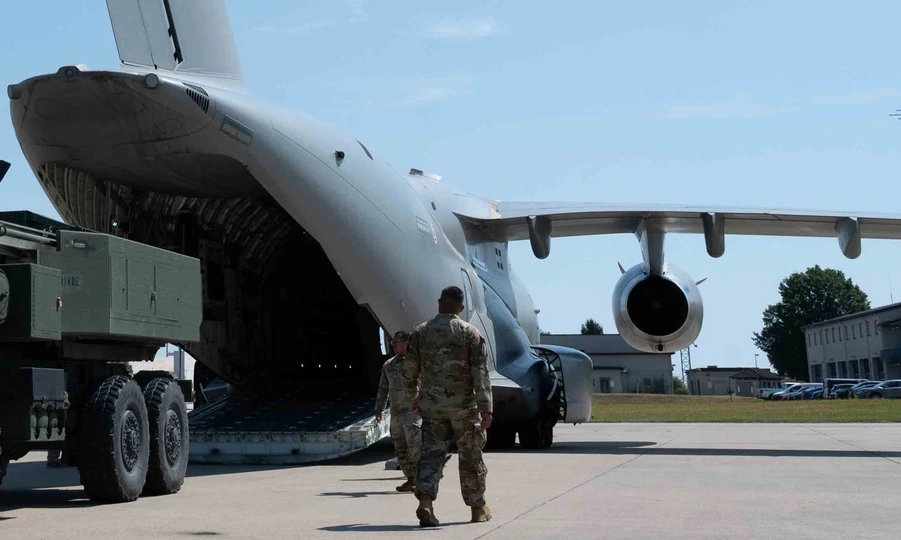
    A clear cargo compartment and a rear ramp support different transport loads and cabin arrangements.

  • Fly-by-wire and digital flight deck

    The C-390 integrates fly-by-wire controls and a modern flight deck with its transport airframe.

More aircraft systems
  • Cabin and cargo

    Cargo, passenger and other transport layouts use different interior equipment and loading arrangements.

  • Landing gear and braking

    Gear geometry and field compatibility reflect the transport airframe and permitted configuration.

  • Onboard systems

    Hydraulic and electrical systems support cargo handling and aircraft services. The KC-390 has additional equipment specific to its role.

Technical notes

Design notes

  • The platform supports cargo and troop transport, airdrop, and other military missions.
  • C-390 and KC-390 labels should be linked to the actual mission equipment of a specific aircraft.

Advantages

  • One platform can be configured for multiple airlift and support missions.

Limitations

  • Equipment and capability vary by customer configuration and mission fit.
Family Technical Profile

Embraer C-390 Millennium is one of Boeing's platforms in its market segment, balancing capacity, range, airport compatibility, maintenance economics, and mission flexibility.

Embraer C-390 Millennium serves the narrowbody market with family commonality and multiple configurations.

Technical features

  • Embraer C-390 Millennium: Single-aisle fuselage efficiency · structure. A narrow fuselage reduces structural weight and airport footprint for high-frequency short and medium routes.
  • Embraer C-390 Millennium: High-cycle operating design · maintenance. Doors, landing gear, brakes, and systems are optimized for repeated daily sectors and quick turnarounds.
  • Embraer C-390 Millennium: Wing and high-lift devices · aerodynamics. Flaps, slats, and wingtip devices balance runway performance with cruise efficiency.
  • Embraer C-390 Millennium: Engine generation changes · engine. Engine nacelle, thrust rating, fuel burn, and noise standards define each production generation.
  • Embraer C-390 Millennium: Fleet commonality · operational_efficiency. Common flight decks and maintenance practices reduce training and support cost across subfleets.

Advantages

  • One platform can cover several capacity and mission bands.
  • Family design reduces training, maintenance, and spares complexity.
  • Engine, wingtip, avionics, or structural upgrades can extend lifecycle value.

Weaknesses

  • Configuration identification complexity. Visually similar aircraft can differ materially by engine, weight standard, cabin layout, and conversion status.
  • Generation-dependent economics. Older generations usually trail newer designs in fuel burn, noise, avionics, or maintenance intervals.
  • Market-fit limits. Every variant has an ideal capacity and range band; outside it, load factor, range, or cost can become limiting.

Markets

  • Network airline trunk or feeder markets
  • Leasing and fleet replacement markets
  • Regional, domestic, or international airline markets

Operators

  • Full-service network airlines
  • Low-cost or leisure airlines
  • Cargo, government, or special-mission operators

Routes and missions

  • High-frequency short or medium-haul trunk routes
  • Medium-density long-haul or cross-regional routes
  • Fleet replacement, supplementation, or special missions
Sources