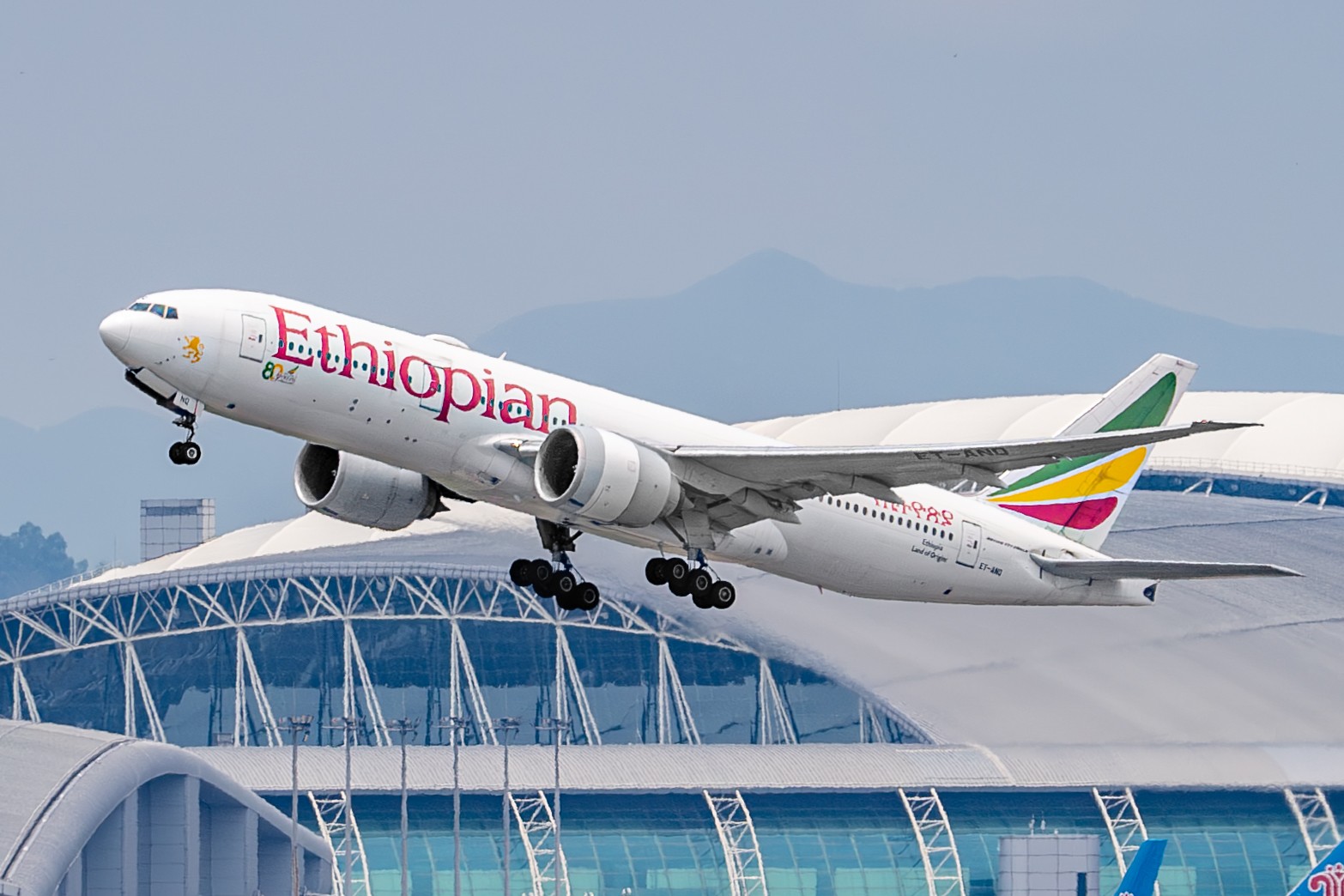
777-200LR

The 777-200LR is the long-range passenger development of the short 777. It uses GE90 engines and shares important airframe features with the 777 Freighter.

At a glance

777-200 model line

Compare models

Current aircraft777-200
Compare with

Comparing 777-200LR with 777-200.

Specification777-200LR777-200
Length63.7 m63.73 m
Wingspan64.8 m60.93 m
Maximum take-off weight347.45 t247.21 t545,000 lb · certified baseline design
Maximum payload63.96 t461,000 lb design zero-fuel weight less 320,000 lb planning operating empty weight57.42 tHighest listed in the baseline series · Rolls-Royce configuration
Fuel tank capacity181,283 LBoeing standard usable tank capacity117,347 L
Engine optionsGE90-110B1 · GE90-115BPW4077 · GE90-76B · Trent 875 · Trent 877Original model examples
Typical two-class seats300–375375Boeing example · 30 first and 345 economy
Published range8,500 nmi5,150 nmi305 passengers in Boeing’s three-class configuration

A dash indicates that a verified figure is unavailable. Figures follow the configuration specified by each source.

Comparison sources

Identification

Wingtips
Look for the long raked extensions. Together with the relatively short 63.7 m body they distinguish the -200LR from the -200ER and -300ER.
Passenger cabin
Look for a passenger window line, then compare the same-length 777F's largely windowless cargo fuselage and aft cargo door.

Design & cabins

Engine reference
GE90
Cabin configuration examples

Full-service carriers

  • Air Canada

    777-200LR

    AeroLOPA
    J40/W24/Y236
  • Emirates

    777-200LR

    AeroLOPA
    J38/Y264
  • Ethiopian Airlines

    777-200LR

    AeroLOPA
    J28/Y287
  • Pakistan International Airlines

    777-200LR

    AeroLOPA
    J35/Y275

Five-star airlines

Technical notes

Design notes

  • Family context: The Boeing 777 is a large twin-engine wide-body family designed for high-capacity long-haul operations. It introduced extensive computer-aided design and fly-by-wire controls to Boeing commercial wide-bodies.
  • Exact airline configuration can change seat count, galley arrangement, cargo capability, and operating range.
  • Engine reference: 777-200LR uses GE90.
  • Cabin configuration should be treated as airline-specific: the same variant may be high-density, full-service, or premium-heavy.

Advantages

  • Very strong payload-range performance.
  • Large cabin and cargo capacity for a twin.
  • 777F is a major purpose-built wide-body freighter.

Limitations

  • Large aircraft economics require strong demand.
  • 777X introduces new certification and fleet-transition complexity.
Variant Technical Profile

777-200LR is a specific configuration within 777-200, developed to cover a defined capacity, range, payload, or mission requirement inside the wider family.

777-200LR is positioned as a capacity/range-specific solution within the widebody segment, serving routes better matched than sibling variants.

Technical features

  • 777-200LR: Wide-body fuselage · structure. Twin-aisle cabin and lower-deck cargo volume support long-haul passenger comfort and belly-freight revenue.
  • 777-200LR: High-bypass turbofan integration · engine. Large engines are matched to long-range payload needs, ETOPS rules, and airline maintenance strategy.
  • 777-200LR: Long-range fuel and payload balance · range_payload. Wing fuel capacity, MTOW growth, and cabin density determine whether the aircraft favors range, seats, or cargo.
  • 777-200LR: Advanced flight deck · avionics. Glass-cockpit avionics and modern flight-management systems reduce crew workload on long sectors.
  • 777-200LR: Cabin systems for long sectors · cabin. Pressurization, air conditioning, galleys, crew rest, and cargo holds are sized for extended missions.

Advantages

  • Provides a more precise capacity or range match within the family.
  • Retains training, maintenance, and parts commonality with sibling variants.
  • Lets operators tune engine, cabin, and payload choices to route needs.

Weaknesses

  • Configuration identification complexity. Visually similar aircraft can differ materially by engine, weight standard, cabin layout, and conversion status.
  • Generation-dependent economics. Older generations usually trail newer designs in fuel burn, noise, avionics, or maintenance intervals.
  • Market-fit limits. Every variant has an ideal capacity and range band; outside it, load factor, range, or cost can become limiting.

Markets

  • Network airline trunk or feeder markets
  • Leasing and fleet replacement markets
  • Regional, domestic, or international airline markets

Operators

  • Full-service network airlines
  • Low-cost or leisure airlines
  • Cargo, government, or special-mission operators

Routes and missions

  • High-frequency short or medium-haul trunk routes
  • Medium-density long-haul or cross-regional routes
  • Fleet replacement, supplementation, or special missions

Sibling comparison

  • smaller sibling variants. Usually provides more seats, cargo volume, or thrust demand, but can be harder to fill on thinner routes.
  • larger or longer-range sibling variants. Usually has lower acquisition and operating exposure, but less range, payload, or growth margin.
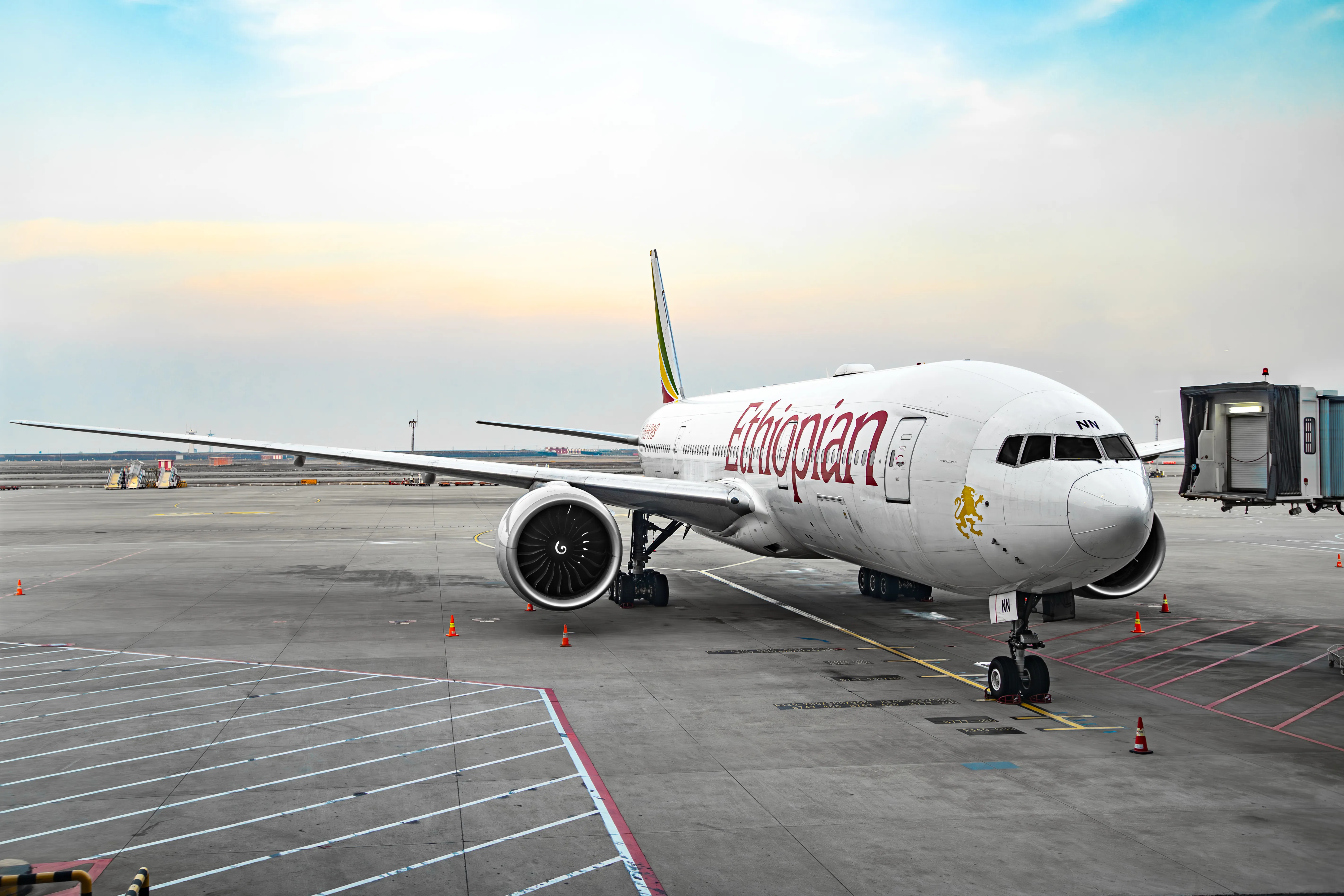
Key terms
Engine configuration

The exact engine family and thrust standard installed on a specific model or production block.

  • Connects model suffixes, airline maintenance strategy, and performance limits.
  • Important for aircraft identification and fleet comparison.

Advantages. Helps explain range, payload, noise, and fuel-burn differences.

Limitations. Public data may omit thrust derates or later engine swaps.

Cabin configuration

The airline-selected layout of cabins, seats, galleys, lavatories, crew rest, and monuments.

  • Can change the same aircraft type from premium-heavy to high-density.
  • Affects range, payload, passenger experience, and turnaround flow.

Advantages. Lets airlines tailor the aircraft to route economics.

Limitations. Seat-map examples vary over time and by subfleet.

Fleet commonality

Boeing families often preserve handling, maintenance, and cockpit continuity across generations where practical.

  • This system is part of the A330 operating architecture and interacts with flight-control, electrical, hydraulic, engine, or environmental systems.
  • Exact configuration varies across A330ceo, A330neo, freighter, and military derivatives.

Advantages. Improves operational reliability, economics, or mission flexibility. Uses a mature wide-body systems architecture to reduce operational risk.

Limitations. System complexity increases maintenance, training, and troubleshooting demands. Airline configuration and engine choice can change real-world performance.

Sources