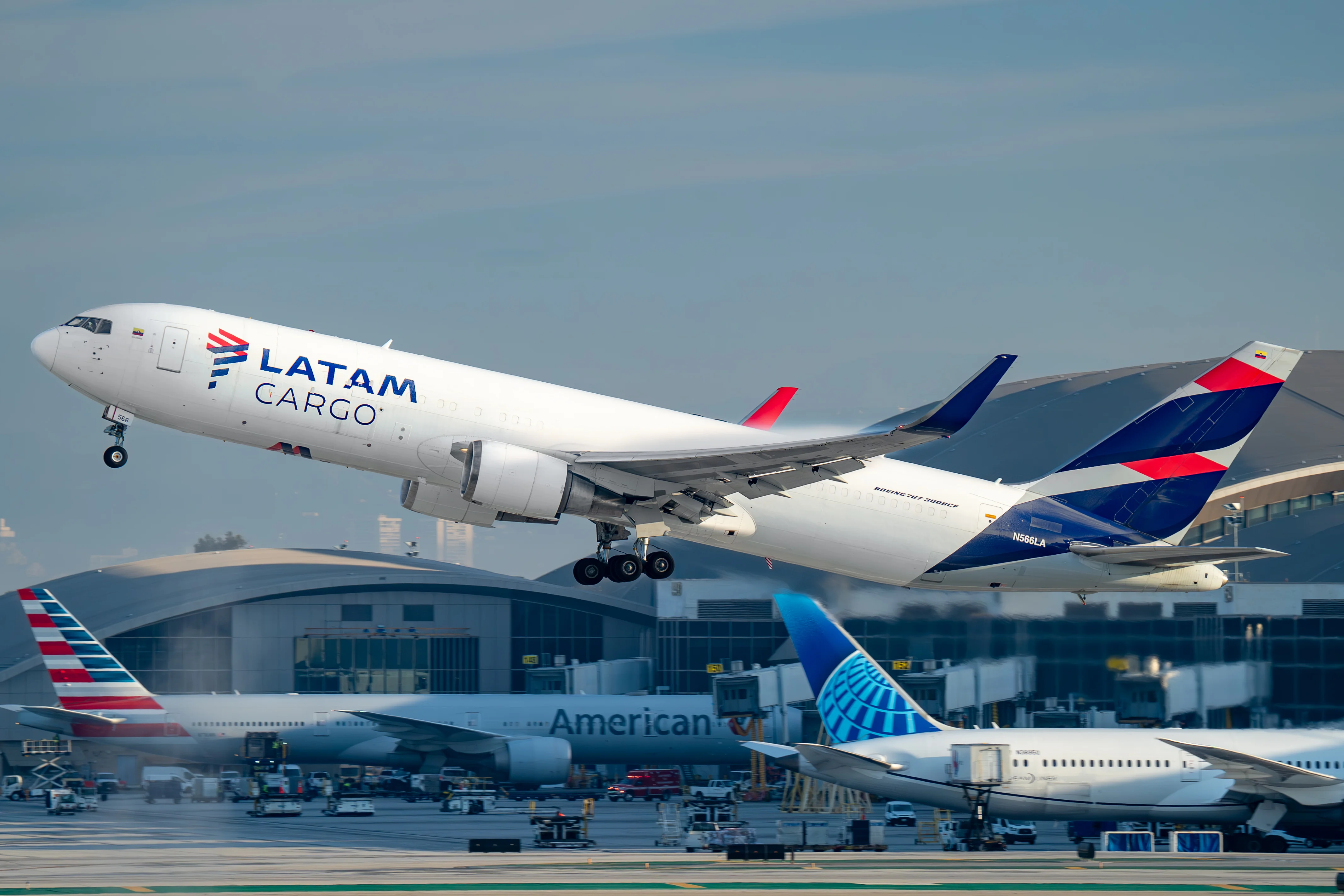
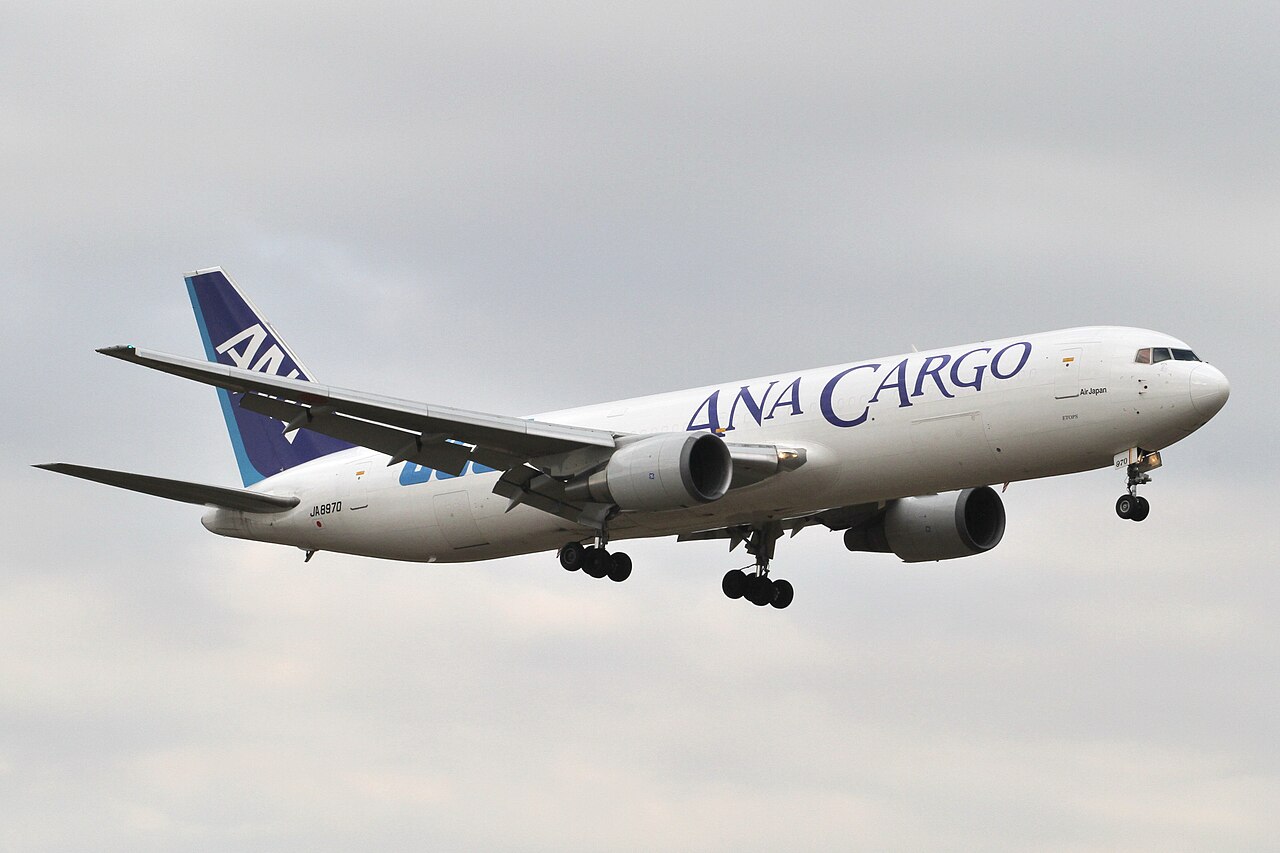
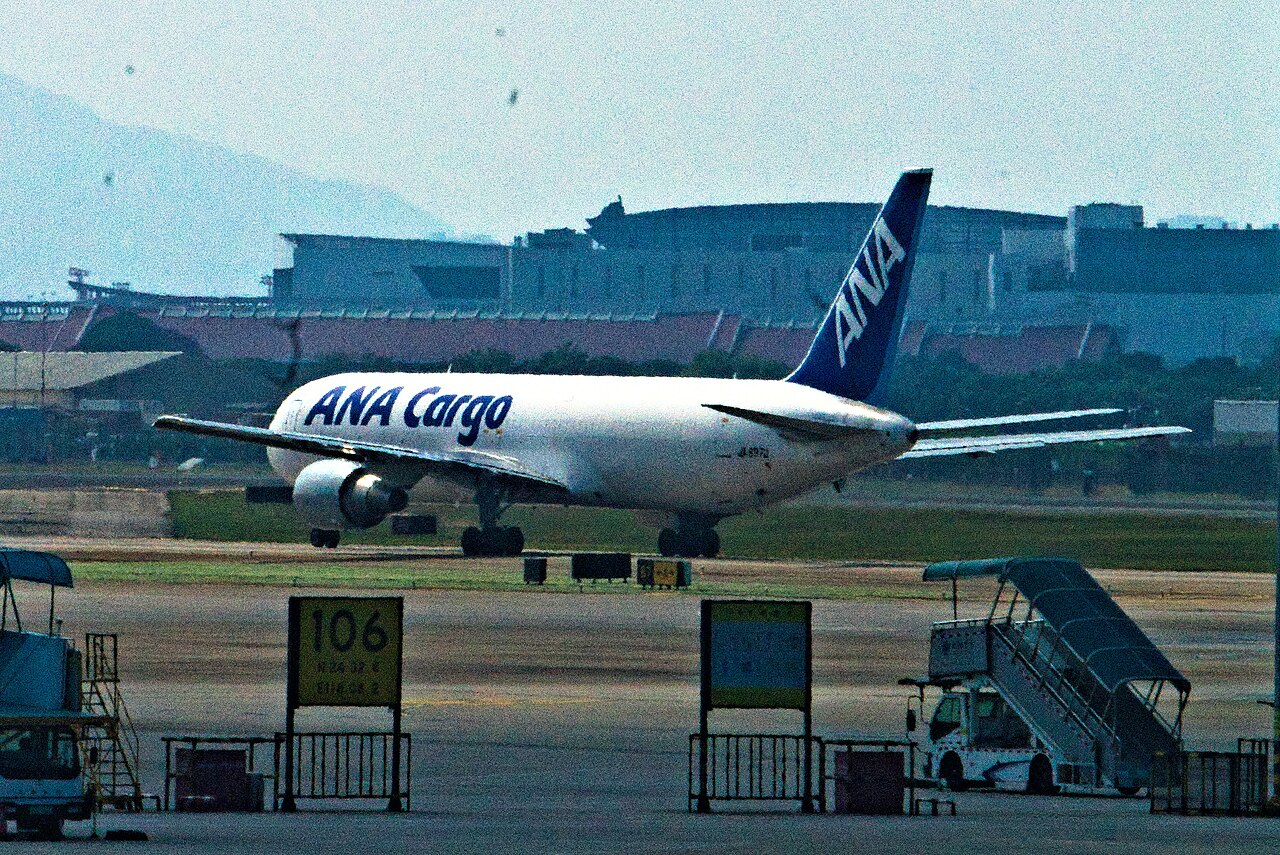
Boeing 767 Family fuselage design defines the usable cabin width, door layout, cargo volume, stretch potential, and airline cabin flexibility across 767-200, 767-200ER, 767-300, 767-300ER, 767-300F, 767-400ER, KC-46.
Boeing 767 Family wing design is central to runway performance, cruise efficiency, fuel capacity, and the family improvement path across its variants.
Boeing 767 Family landing gear and braking architecture support the aircraft's weight growth, field performance, pavement loading, and maintenance profile.
Boeing 767 Family cockpit architecture reflects the manufacturer's operating philosophy, training commonality, display technology, and automation level.
Boeing 767 Family structural design balances weight, fatigue life, corrosion resistance, repairability, production cost, and the technology level of its generation.
Boeing 767 Family cargo and cabin systems affect payload, turnaround, passenger comfort, conversion potential, and airline route economics.