Antonov An-225 Mriya

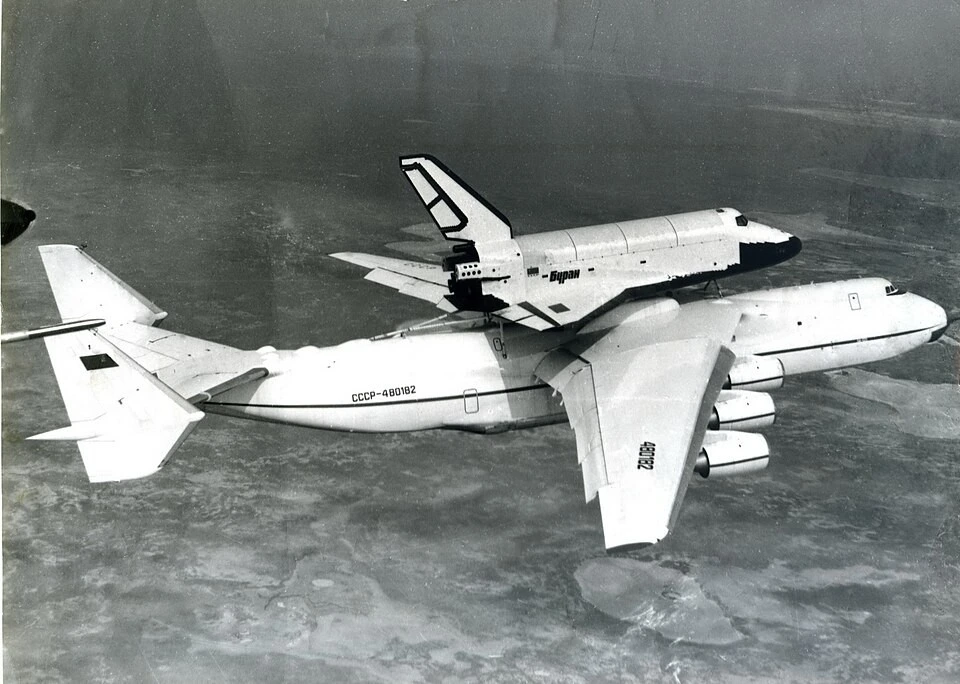
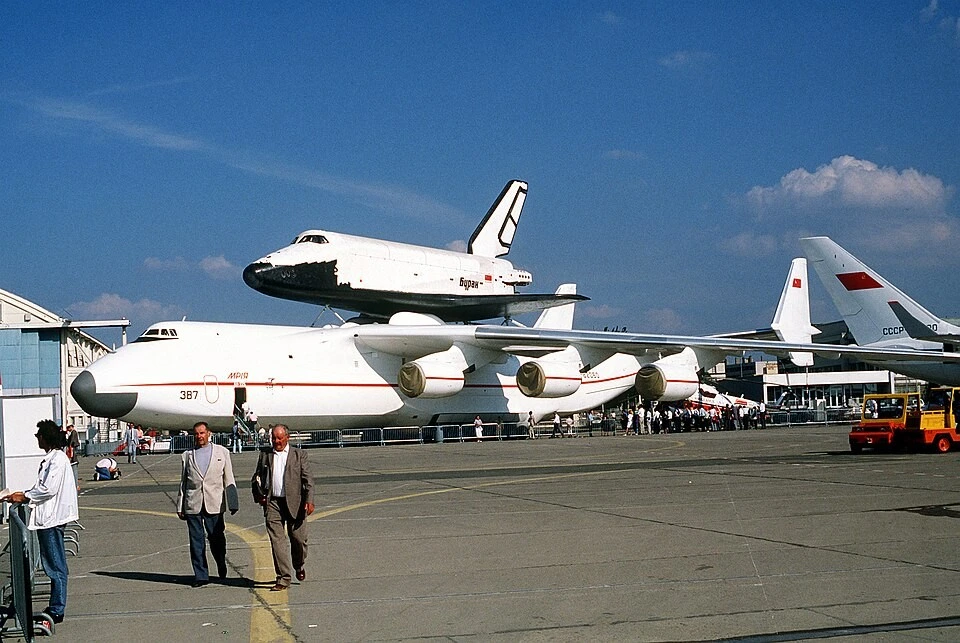
Antonov developed Mriya to carry the Buran orbiter and Energiya launch vehicle components. Its unique flying airframe later became a commercial heavy freighter. Six wing-mounted D-18T engines and two vertical fins distinguish it from the four-engine An-124.

Models at a glance

Identification

Six engines
Count three underwing nacelles on each wing. The An-124 has two per wing.
Twin vertical tails
Look for a fin at each end of the horizontal stabilizer. The split tail supported the configuration used for external Buran carriage.
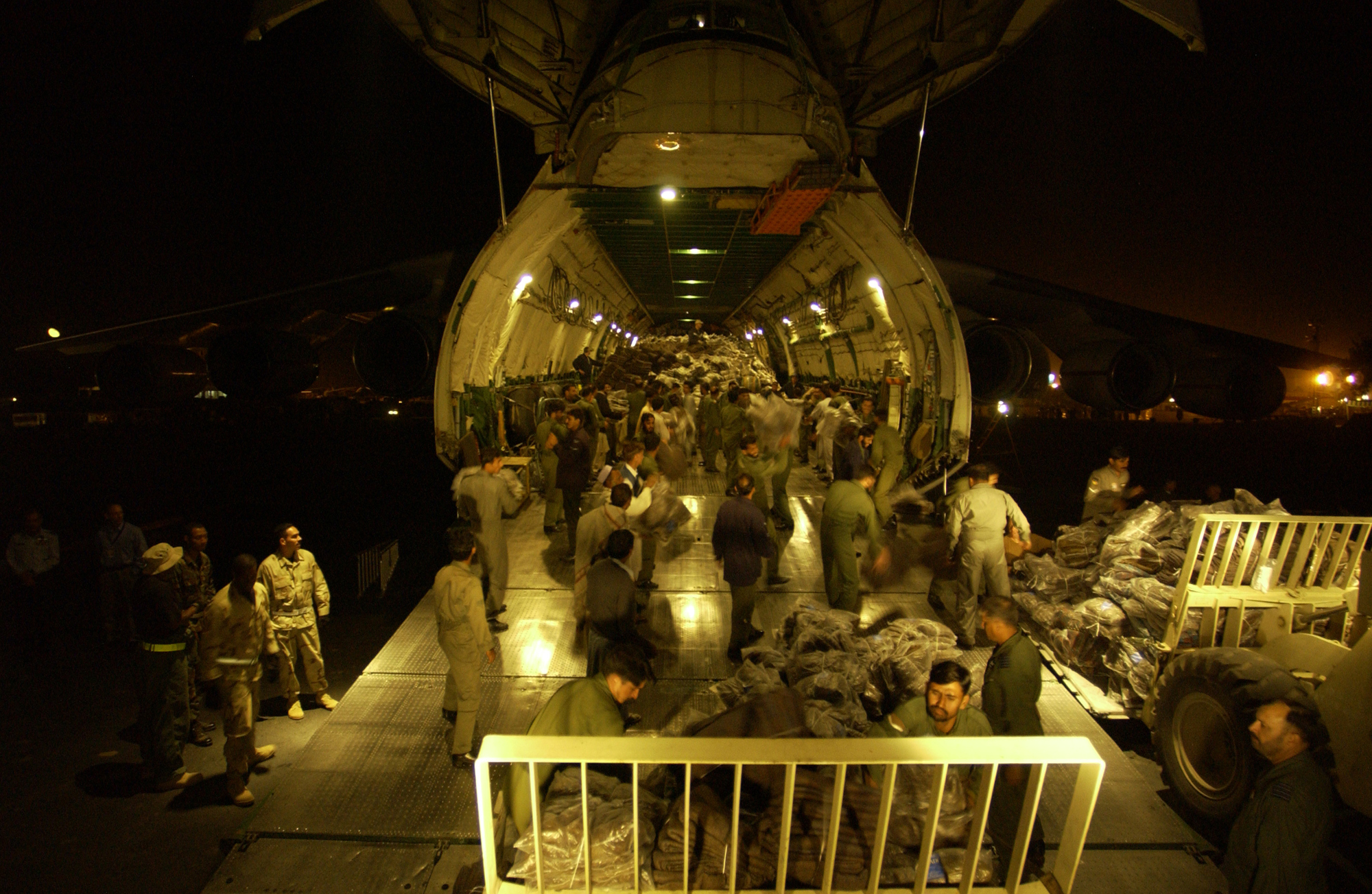
Upward-opening cargo nose
The forward fuselage opens upward for freight. The completed An-225 had no rear cargo ramp.

The reference photographs document only the completed UR-82060. Antonov’s historic cargo guide describes its former operations. The 2022 and 2023 updates document restoration plans and fundraising.

Select a circle to see the marked area up close.

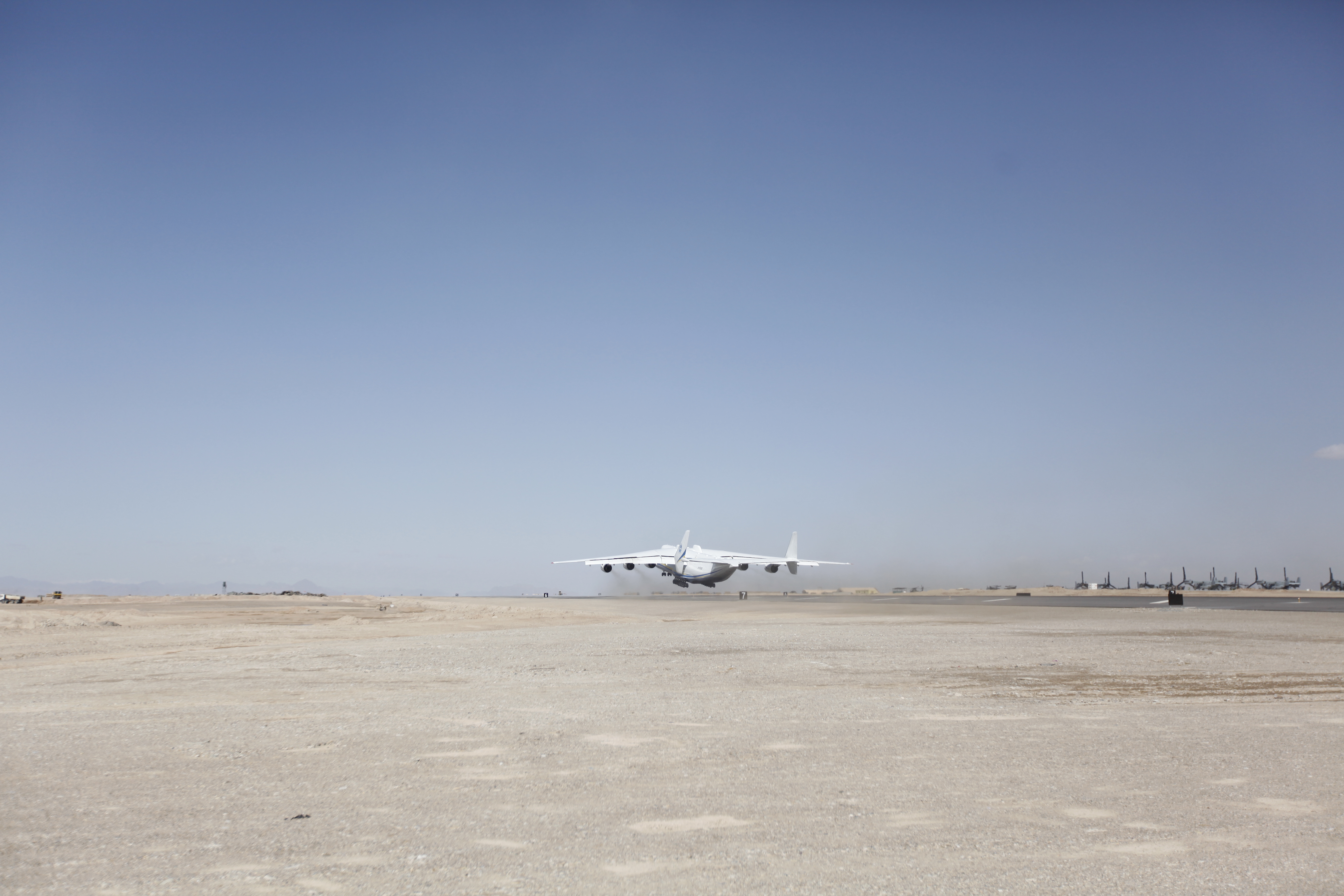
UR-82060 engines and twin tail

UR-82060 · Camp Bastion, Afghanistan · 7 March 2011
UR-82060 · Camp Bastion, Afghanistan · 7 March 2011Photo by U.S. Marine Corps / Lance Cpl. Samantha H. Arrington
Photo sourceUS public domain

UR-82060 cargo nose

UR-82060 · Pakistan earthquake relief operation · 21 October 2005
UR-82060 · Pakistan earthquake relief operation · 21 October 2005Photo by U.S. Air Force / Tech. Sgt. Jeromy K. Cross
Photo sourceUS public domain

Design & cabins

Technical notes

Design notes

  • The initial airframe first flew in December 1988. Antonov records the first piggyback flight with Buran in May 1989 and its post-overhaul return to flight in May 2001.
  • The twin tail accommodated the original external load. Commercial cargo entered through the hinged nose. The An-225 tail has no rear cargo opening.
  • Only UR-82060 was completed. A second airframe was begun and remained unfinished. Antonov reported reconstruction design work on 7 November 2022, and the Ukrainian government described fundraising for restoration on 27 February 2023.

Advantages

  • Antonov Airlines published a historical cargo payload of up to 250 t for the An-225.

Limitations

  • Historic fleet and loading documents describe UR-82060 when it flew. Later restoration announcements describe plans for a future aircraft.
Family Technical Profile

Antonov An-225 Mriya is one of Aircraft manufacturer's platforms in its market segment, balancing capacity, range, airport compatibility, maintenance economics, and mission flexibility.

Antonov An-225 Mriya serves the narrowbody market with family commonality and multiple configurations.

Technical features

  • Antonov An-225 Mriya: Single-aisle fuselage efficiency · structure. A narrow fuselage reduces structural weight and airport footprint for high-frequency short and medium routes.
  • Antonov An-225 Mriya: High-cycle operating design · maintenance. Doors, landing gear, brakes, and systems are optimized for repeated daily sectors and quick turnarounds.
  • Antonov An-225 Mriya: Wing and high-lift devices · aerodynamics. Flaps, slats, and wingtip devices balance runway performance with cruise efficiency.
  • Antonov An-225 Mriya: Engine generation changes · engine. Engine nacelle, thrust rating, fuel burn, and noise standards define each production generation.
  • Antonov An-225 Mriya: Fleet commonality · operational_efficiency. Common flight decks and maintenance practices reduce training and support cost across subfleets.

Advantages

  • One platform can cover several capacity and mission bands.
  • Family design reduces training, maintenance, and spares complexity.
  • Engine, wingtip, avionics, or structural upgrades can extend lifecycle value.

Weaknesses

  • Configuration identification complexity. Visually similar aircraft can differ materially by engine, weight standard, cabin layout, and conversion status.
  • Generation-dependent economics. Older generations usually trail newer designs in fuel burn, noise, avionics, or maintenance intervals.
  • Market-fit limits. Every variant has an ideal capacity and range band; outside it, load factor, range, or cost can become limiting.

Markets

  • Network airline trunk or feeder markets
  • Leasing and fleet replacement markets
  • Regional, domestic, or international airline markets

Operators

  • Full-service network airlines
  • Low-cost or leisure airlines
  • Cargo, government, or special-mission operators

Routes and missions

  • High-frequency short or medium-haul trunk routes
  • Medium-density long-haul or cross-regional routes
  • Fleet replacement, supplementation, or special missions
Development & service

  • The initial airframe first flew in December 1988. Antonov records the first piggyback flight with Buran in May 1989 and its post-overhaul return to flight in May 2001.

UR-82060 · An-225 Mriya

The only completed An-225 flew with the Buran orbiter and later carried heavy freight for Antonov Airlines. UR-82060 was destroyed at Hostomel in February 2022. An unfinished second airframe belongs to a separate project.

Sources