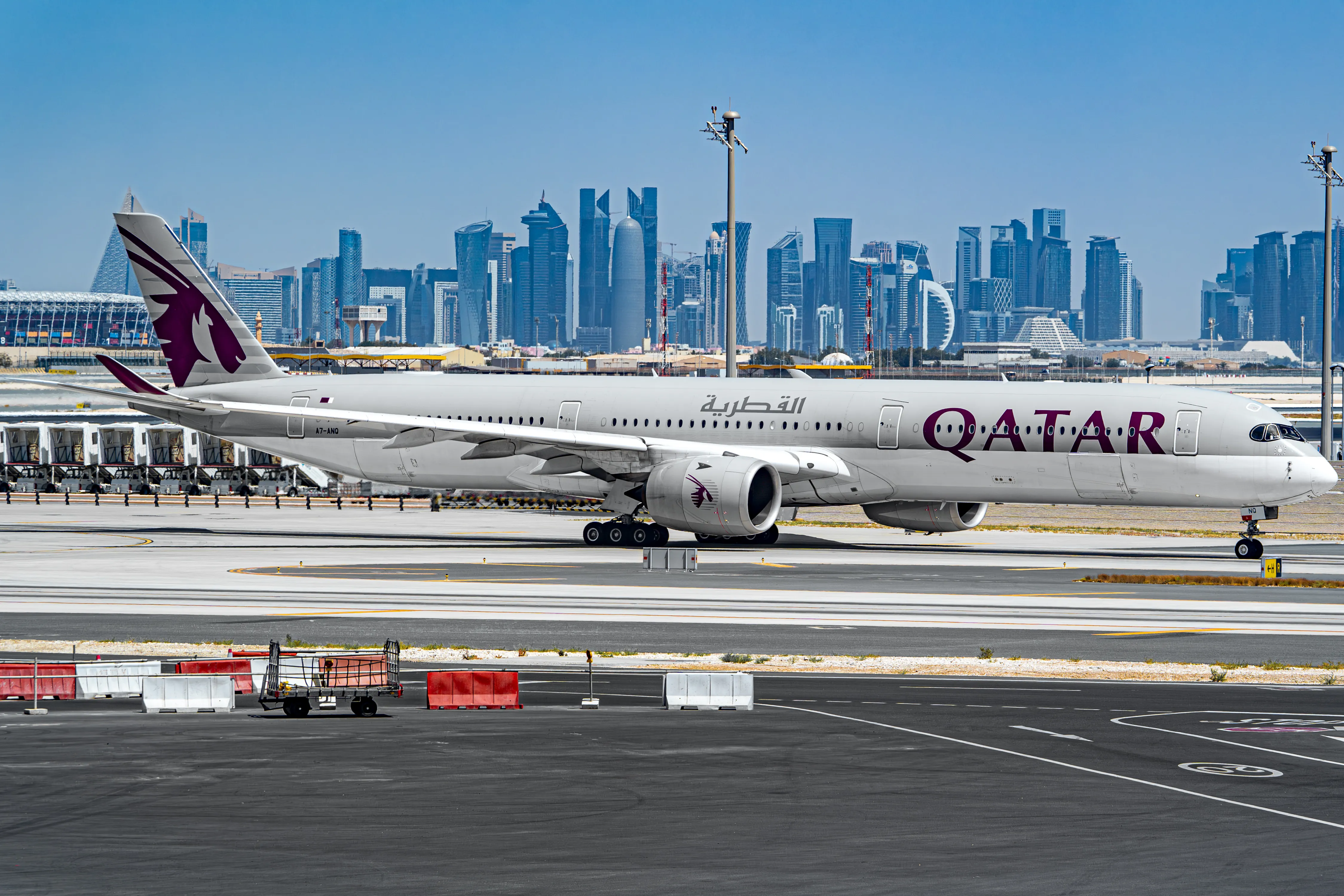
A350-1041

The A350-1041 is a certified model in the Airbus A350-1000 series, not a separate aircraft family.

At a glance

A350-1041

Length
73.78 m
Wingspan
64.75 m
Published range
8,100 nmAirbus published basic configuration · 308 t
Typical two-class seats
369Airbus basic layout · 54 business + 315 economy
Engine options
Trent XWB-97
Main landing gear
3 axles · 6 wheels per side
Sources
A350-1000 model line

Compare models

Current aircraftA350-1000
Compare with

Comparing A350-1041 with A350-1000.

SpecificationA350-1041A350-1000
Length73.78 m73.78 m
Wingspan64.75 m64.75 m
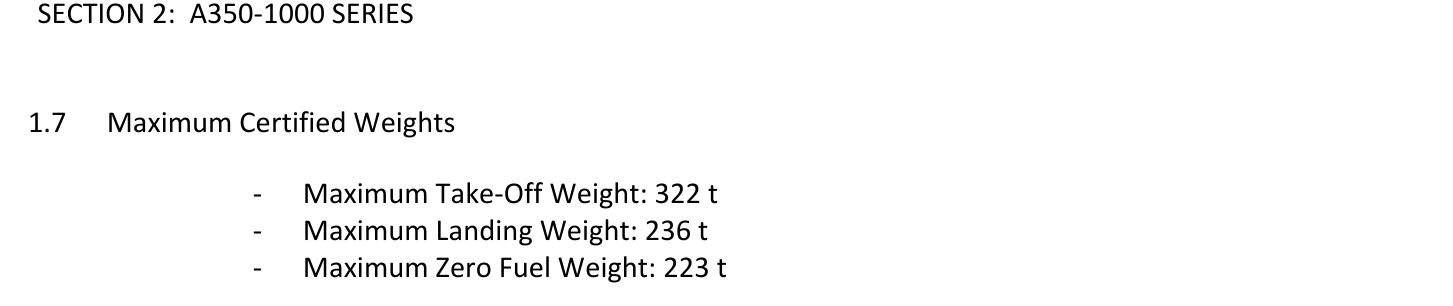
Maximum take-off weight322 tMaximum certified weight · highest weight variant324 tHigh gross weight variant
Maximum payload67 tApproximate Airbus planning limit · 316 t configuration67 tApproximate Airbus planning figure.
Fuel tank capacity158,791 LBasic usable fuel168,300 LHigh gross weight variant
Engine optionsTrent XWB-97Trent XWB-97
Typical two-class seats369Airbus basic layout · 54 business + 315 economy369
Published range8,100 nmiAirbus published basic configuration · 308 t8,100 nmiBasic weight variant

A dash indicates that a verified figure is unavailable. Figures follow the configuration specified by each source.

Comparison sources

Identification

Use these features to recognise the A350-1000. Check the aircraft or programme record for the A350-1041 designation.

Three axles per main gear
Count three wheel hubs along the near side of the main landing gear. Each main gear carries six wheels in total, compared with four on the -900.
Long passenger fuselage
Check the long cabin window line as well as the wheels. The A350F shares the three-axle gear and has a large rear main-deck cargo door.

Design & cabins

  • Rolls-Royce Trent XWB

    See the engine family's ratings, A350 installations, specifications, and development history.

  • Airbus A350 Cabin and Airspace

    The A350 shares a wide twin-aisle cabin across its passenger models. Airbus supplies the airframe and cabin environment, while airlines choose how to divide the space among seats, aisles, galleys, and lavatories.

  • Airbus A350 Family Wing and High-Lift System

    Airbus A350 Family wing design is central to runway performance, cruise efficiency, fuel capacity, and the family improvement path across its variants.

  • Airbus A350 Family Landing Gear and Braking System

    Airbus A350 Family landing gear and braking architecture support the aircraft's weight growth, field performance, pavement loading, and maintenance profile.

  • Airbus A350 Family Flight Deck and Avionics

    Airbus A350 Family cockpit architecture reflects the manufacturer's operating philosophy, training commonality, display technology, and automation level.

  • Airbus A350 Composite Airframe

    Carbon-fibre composite skins are central to the A350 fuselage and wing structure. The family combines this lightweight construction with different fuselage lengths, wing details, and landing gear for different missions.

  • Airbus A350 Family Cargo and Cabin Systems

    Airbus A350 Family cargo and cabin systems affect payload, turnaround, passenger comfort, conversion potential, and airline route economics.

Technical notes

Design notes

  • EASA lists the A350-1041 under the A350-1000 series in type certificate EASA.A.151.
  • An individual aircraft's cabin and operating configuration must be checked separately.
Variant Technical Profile

A350-1041 is a specific configuration within A350-1000, developed to cover a defined capacity, range, payload, or mission requirement inside the wider family.

A350-1041 is positioned as a capacity/range-specific solution within the widebody segment, serving routes better matched than sibling variants.

Technical features

  • A350-1041: Wide-body fuselage · structure. Twin-aisle cabin and lower-deck cargo volume support long-haul passenger comfort and belly-freight revenue.
  • A350-1041: High-bypass turbofan integration · engine. Large engines are matched to long-range payload needs, ETOPS rules, and airline maintenance strategy.
  • A350-1041: Long-range fuel and payload balance · range_payload. Wing fuel capacity, MTOW growth, and cabin density determine whether the aircraft favors range, seats, or cargo.
  • A350-1041: Advanced flight deck · avionics. Glass-cockpit avionics and modern flight-management systems reduce crew workload on long sectors.
  • A350-1041: Cabin systems for long sectors · cabin. Pressurization, air conditioning, galleys, crew rest, and cargo holds are sized for extended missions.

Advantages

  • Provides a more precise capacity or range match within the family.
  • Retains training, maintenance, and parts commonality with sibling variants.
  • Lets operators tune engine, cabin, and payload choices to route needs.

Weaknesses

  • Configuration identification complexity. Visually similar aircraft can differ materially by engine, weight standard, cabin layout, and conversion status.
  • Generation-dependent economics. Older generations usually trail newer designs in fuel burn, noise, avionics, or maintenance intervals.
  • Market-fit limits. Every variant has an ideal capacity and range band; outside it, load factor, range, or cost can become limiting.

Markets

  • Network airline trunk or feeder markets
  • Leasing and fleet replacement markets
  • Regional, domestic, or international airline markets

Operators

  • Full-service network airlines
  • Low-cost or leisure airlines
  • Cargo, government, or special-mission operators

Routes and missions

  • High-frequency short or medium-haul trunk routes
  • Medium-density long-haul or cross-regional routes
  • Fleet replacement, supplementation, or special missions

Sibling comparison

  • smaller sibling variants. Usually provides more seats, cargo volume, or thrust demand, but can be harder to fill on thinner routes.
  • larger or longer-range sibling variants. Usually has lower acquisition and operating exposure, but less range, payload, or growth margin.

Sources