Home/Encyclopedia/Airbus/Airbus A320 Family

Airbus A320 Family

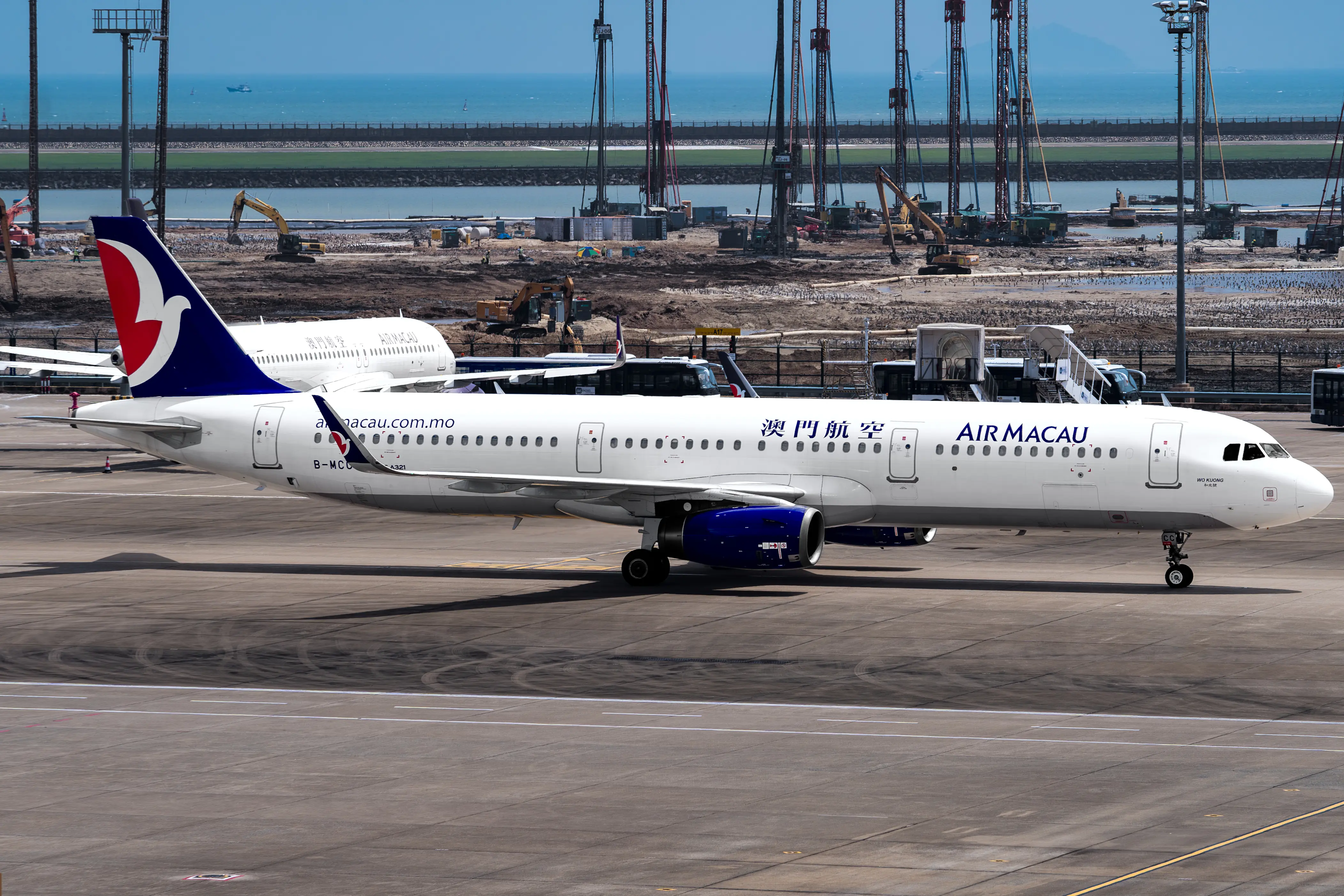
The Airbus A320 family is a fly-by-wire single-aisle aircraft family covering short and medium-haul airline missions from the small A318 to the high-capacity A321neo, LR, and XLR branches.

Models at a glance

Entered service
2003
Length
31.46 m
Wingspan
34.11 m
Published range
3,240 nm2003 published maximum · approximately 6,000 km
Typical two-class seats
107
Maximum passenger seats
136Certified maximum · standard exits
Engine options
CFM56-5B · PW6000
Main landing gear
1 axle · 2 wheels per side
Sources
A318 variants

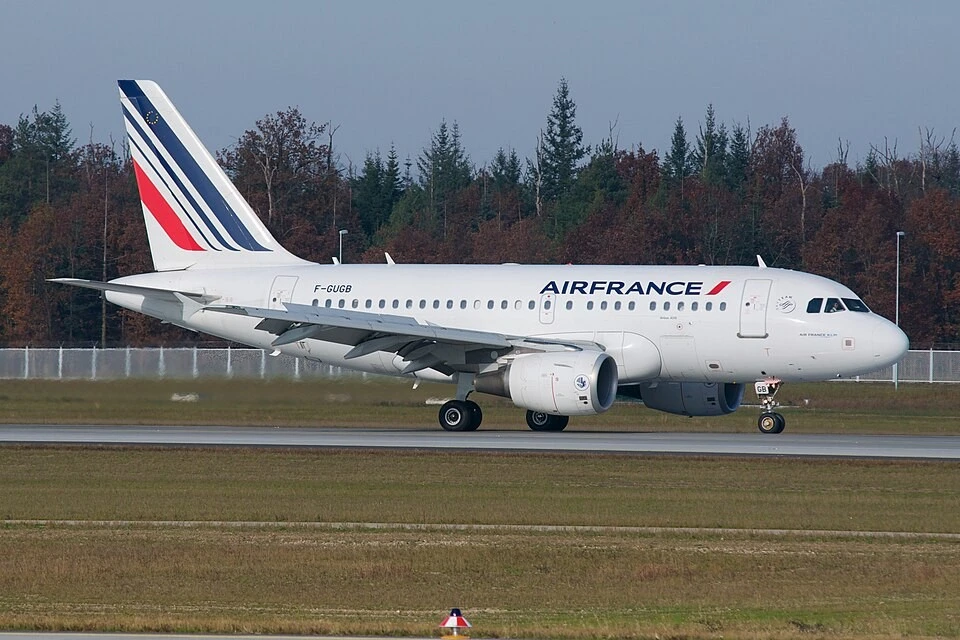
A318-111

The A318-111 combines the shortest A320-family fuselage with CFM56-5B8/P engines. Its model suffix identifies the CFM-powered configuration.

Length
31.46 m
Wingspan
34.11 m
Published range
1,501 nmTAROM 61.5 t operating configuration. Published 2,780 km, converted to nautical miles.
Typical two-class seats
103 / 107TAROM layouts with 4 Business and 99 Economy seats, or 26 Business and 81 Economy seats.
Maximum passenger seats
136Certified maximum · standard exits
Engine options
CFM56-5B8/P · CFM56-5B8/3
Main landing gear
1 axle · 2 wheels per side
Sources

A318-112

The A318-112 uses the same compact airframe as the -111 with the CFM56-5B9/P rating. It is one of two CFM-powered A318 models.

Length
31.46 m
Wingspan
34.11 m
Published range
1,350 nmApproximate Airbus A318-100 planning range at 10 t payload and 59 t takeoff weight.
Typical two-class seats
100Avianca example with 12 Business and 88 Economy seats.
Maximum passenger seats
136Certified maximum · standard exits
Engine options
CFM56-5B9/P · CFM56-5B9/3
Main landing gear
1 axle · 2 wheels per side
Sources

A318-121

The A318-121 is a PW6000-powered A318 with the PW6122A installation. This was the Pratt & Whitney alternative on the smallest A320-family aircraft.

Length
31.46 m
Wingspan
34.11 m
Published range
1,350 nmApproximate Airbus A318-100 planning range at 10 t payload and 59 t takeoff weight.
Maximum passenger seats
136Certified maximum · standard exits
Engine options
PW6122A
Main landing gear
1 axle · 2 wheels per side
Sources

A318-122

The A318-122 retains the A318 airframe and uses the higher-rated PW6124A within the PW6000 branch.

Length
31.46 m
Wingspan
34.11 m
Published range
1,350 nmApproximate Airbus A318-100 planning range at 10 t payload and 59 t takeoff weight.
Maximum passenger seats
136Certified maximum · standard exits
Engine options
PW6124A
Main landing gear
1 axle · 2 wheels per side
Sources
Entered service
1996
Length
33.84 m
Wingspan
34.11 / 35.81 mWithout / with wingtip devices
Published range
3,750 nm
Typical two-class seats
124
Maximum passenger seats
156Without cabin enablers
Engine options
CFM56-5A · CFM56-5B · V2500-A5
Main landing gear
1 axle · 2 wheels per side
Sources
A319 variants

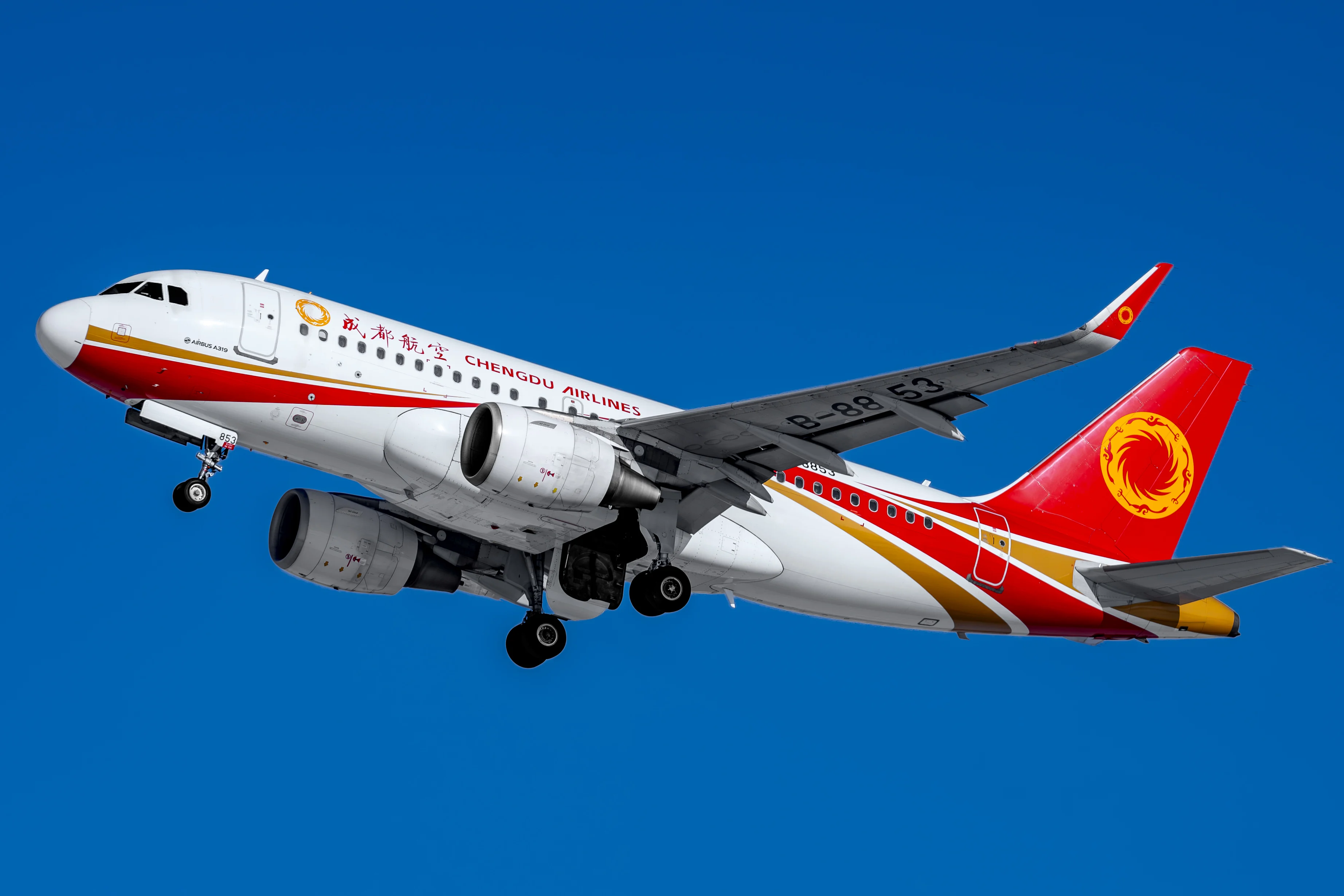
A319-111

The A319-111 belongs to the first CFM-powered A319ceo group. It received type certification in 1996 and uses the shorter A319 fuselage.

Length
33.84 m
Wingspan
34.11 / 35.81 mWithout / with wingtip devices
Published range
2,950 nmApproximate Airbus A319-100 planning range at 15 t payload and 75.5 t takeoff weight, without additional centre tanks.
Typical two-class seats
132TAP cabin with variable allocation between Executive and Economy.
Engine options
CFM56-5B5 · CFM56-5B5/P
Main landing gear
1 axle · 2 wheels per side
Sources

A319-112

The A319-112 is an original-generation A319 using a CFM56-5B installation. The suffix describes a certificated powerplant model rather than a cabin size.

Length
33.84 m
Wingspan
34.11 / 35.81 mWithout / with wingtip devices
Published range
2,950 nmApproximate Airbus A319-100 planning range at 15 t payload and 75.5 t takeoff weight, without additional centre tanks.
Typical two-class seats
128American Airlines standard configuration in 2024, before fleet cabin upgrades.
Main landing gear
1 axle · 2 wheels per side
Sources

A319-113

The A319-113 is a CFM56-5A-powered model of the short-body A319ceo. It sits alongside the -111 and -112 in the first A319 certification group.

Length
33.84 m
Wingspan
34.11 / 35.81 mWithout / with wingtip devices
Published range
2,950 nmApproximate Airbus A319-100 planning range at 15 t payload and 75.5 t takeoff weight, without additional centre tanks.
Typical two-class seats
142Air France F-GPMH example. The BEA seating plan shows 48, 48 and 46 seats across cabin zones.
Engine options
CFM56-5A4 · CFM56-5A4/F
Main landing gear
1 axle · 2 wheels per side
Sources

A319-114

The A319-114 retains the A319ceo airframe and uses a CFM56-5A5 installation. Its early CFM56 branch distinguishes it from later geared-engine A319neo aircraft.

Length
33.84 m
Wingspan
34.11 / 35.81 mWithout / with wingtip devices
Published range
2,950 nmApproximate Airbus A319-100 planning range at 15 t payload and 75.5 t takeoff weight, without additional centre tanks.
Typical two-class seats
136Air Canada Rouge example documented by the Transportation Safety Board.
Engine options
CFM56-5A5 · CFM56-5A5/F
Main landing gear
1 axle · 2 wheels per side
Sources

A319-115

The A319-115 is a later CFM56-5B-powered A319ceo model. EASA lists both passenger and eligible corporate configurations in the wider -115 certification record.

Programme status
Unavailable
Length
33.84 m
Wingspan
34.11 / 35.81 mWithout / with wingtip devices
Published range
2,950 nmApproximate Airbus A319-100 planning range at 15 t payload and 75.5 t takeoff weight, without additional centre tanks.
Typical two-class seats
118Drukair layout with 16 Business and 102 Economy seats.
Engine options
CFM56-5B7 · CFM56-5B7/P
Main landing gear
1 axle · 2 wheels per side
Sources

A319-116

The archive has used A319-116 as an engine-application label for the A319ceo. The current EASA A319 model list includes -111 through -115 in the CFM group and does not substantiate -116 as a distinct model.

Programme status
Catalogue designationNo separate model listed in EASA.A.064
Length
Unavailable
Wingspan
Unavailable
Published range
Unavailable
Typical two-class seats
Unavailable
Engine options
Unavailable
Main landing gear
Unavailable

A319-131

The A319-131 uses IAE V2500-A5 power on the short A319ceo airframe. The -13x suffix group distinguishes it from the CFM-powered -11x models.

Length
33.84 m
Wingspan
34.11 / 35.81 mWithout / with wingtip devices
Published range
2,950 nmApproximate Airbus A319-100 planning range at 15 t payload and 75.5 t takeoff weight, without additional centre tanks.
Typical two-class seats
144British Airways published capacity up to 144. Club Europe and Euro Traveller allocation varies.
Engine options
V2522-A5
Main landing gear
1 axle · 2 wheels per side
Sources

A319-132

The A319-132 is the V2524-A5-powered A319ceo. It shares the -131 airframe size with a different V2500 engine rating.

Length
33.84 m
Wingspan
34.11 / 35.81 mWithout / with wingtip devices
Published range
2,950 nmApproximate Airbus A319-100 planning range at 15 t payload and 75.5 t takeoff weight, without additional centre tanks.
Typical two-class seats
128American Airlines standard configuration in 2024, before fleet cabin upgrades.
Engine options
V2524-A5
Main landing gear
1 axle · 2 wheels per side
Sources

A319-133

The A319-133 is a later A319ceo model with an IAE V2527M-A5 engine rating. It belongs to the same original-generation group as the -131 and -132.

Length
33.84 m
Wingspan
34.11 / 35.81 mWithout / with wingtip devices
Published range
2,950 nmApproximate Airbus A319-100 planning range at 15 t payload and 75.5 t takeoff weight, without additional centre tanks.
Engine options
V2527M-A5
Main landing gear
1 axle · 2 wheels per side
Sources

A319neo

The A319neo keeps the short A319 fuselage and introduces new-generation engine installations. The CFM and Pratt & Whitney options have different certified model suffixes.

Entered service
Unavailable
Length
33.84 m
Wingspan
35.8 m
Published range
3,700 nm
Typical two-class seats
120–150
Maximum passenger seats
160
Engine options
LEAP-1A · PW1100G-JM
Main landing gear
1 axle · 2 wheels per side
Entered service
1988
Length
37.57 m
Wingspan
34.11 / 35.81 mWithout / with wingtip devices
Published range
3,350 nm
Typical two-class seats
150
Maximum passenger seats
180Without cabin enablers
Engine options
CFM56-5A · CFM56-5B · V2500-A1 · V2500-A5
Main landing gear
1 axle · 2 wheels per side
Sources
A320 variants

A320-211

The A320-211 is an early A320-200 with the CFM56-5A1 installation. It pairs the standard A320-200 fuselage with the first CFM56-5A rating used by this series.

Length
37.57 m
Wingspan
34.11 / 35.81 mWithout / with wingtip devices
Published range
2,300 nmApproximate Airbus A320-200 planning range at 15 t payload in the 73.5 t reference configuration.
Typical two-class seats
148Delta domestic configuration described in its 2011 prospectus.
Engine options
CFM56-5A1 · CFM56-5A1/F
Main landing gear
1 axle · 2 wheels per side
Sources

A320-212

The A320-212 is the A320-200 model listed with the CFM56-5A3 engine. It shares the -211's basic airframe and changes the CFM56-5A rating.

Length
37.57 m
Wingspan
34.11 / 35.81 mWithout / with wingtip devices
Published range
2,300 nmApproximate Airbus A320-200 planning range at 15 t payload in the 73.5 t reference configuration.
Typical two-class seats
148Delta domestic configuration described in its 2012 prospectus.
Engine options
CFM56-5A3
Main landing gear
1 axle · 2 wheels per side
Sources

A320-214

The A320-214 is a CFM56-5B-powered A320-200. The type certificate includes multiple installation standards for its CFM56-5B4 engine.

Length
37.57 m
Wingspan
34.11 / 35.81 mWithout / with wingtip devices
Published range
2,850 nmApproximate Airbus A320-200 planning range at 15 t payload and 78 t takeoff weight, without an additional centre tank.
Typical two-class seats
150American Airlines example with 12 First and 138 Main Cabin seats, including Main Cabin Extra.
Main landing gear
1 axle · 2 wheels per side
Sources

A320-215

The A320-215 uses the CFM56-5B5/P configuration on the A320-200 airframe. Its -215 designation identifies the certified powerplant combination.

Length
37.57 m
Wingspan
34.11 / 35.81 mWithout / with wingtip devices
Published range
2,300 nmApproximate Airbus A320-200 planning range at 15 t payload in the 73.5 t reference configuration.
Typical two-class seats
Unavailable
Engine options
CFM56-5B5/P
Main landing gear
1 axle · 2 wheels per side
Sources

A320-216

The A320-216 uses the CFM56-5B6/P configuration. It has the same fuselage length as the -214 and -215, with the engine suffix distinguishing the model.

Length
37.57 m
Wingspan
34.11 / 35.81 mWithout / with wingtip devices
Published range
1,938 nmITA Airways CFM56-5B6 A320-200 figure at full load. Published 3,590 km, converted to nautical miles.
Typical two-class seats
174 / 180ITA Airways published seat configurations. The Business and Economy allocation varies.
Engine options
CFM56-5B6/P · CFM56-5B6/3CFM56-5B6/3 applies to single-annular-combustor CFM56-5B6/P installations with Airbus modification 37147 in production or 38770 in service.
Main landing gear
1 axle · 2 wheels per side
Sources

A320-232

The A320-232 is the V2527-A5-powered A320-200. Its IAE installation is an alternative to the CFM56-powered A320-21x series.

Length
37.57 m
Wingspan
34.11 / 35.81 mWithout / with wingtip devices
Published range
2,850 nmApproximate Airbus A320-200 planning range at 15 t payload and 78 t takeoff weight, without an additional centre tank.
Typical two-class seats
150American Airlines example with 12 First and 138 Main Cabin seats, including Main Cabin Extra.
Engine options
V2527-A5
Main landing gear
1 axle · 2 wheels per side
Sources

A320neo

The A320neo re-engines the standard-length A320 with the CFM LEAP-1A or Pratt & Whitney PW1100G-JM. The engine choice is reflected in the aircraft's certified suffix.

Entered service
2016
Length
37.57 m
Wingspan
35.8 m
Published range
3,400 nm
Typical two-class seats
150–180
Maximum passenger seats
194
Engine options
LEAP-1A · PW1100G-JM
Main landing gear
1 axle · 2 wheels per side
A320neo variants

A320-251N

The A320-251N is a certified A320neo model with CFM LEAP-1A engines.

Length
37.57 m
Wingspan
35.8 m
Published range
3,400 nmApproximate Airbus A320neo planning range at 15 t payload and 79 t takeoff weight, without an additional centre tank.
Typical two-class seats
162Air India configuration with 12 Business and 150 Economy seats.
Engine options
LEAP-1A26 · LEAP-1A26E1 · LEAP-1A26SEASA baseline and approved change variants for the commercial model.
Main landing gear
Unavailable
Sources

A320-271N

The A320-271N is a certified A320neo model with Pratt & Whitney PW1100G-JM engines.

Length
37.57 m
Wingspan
35.8 m
Published range
3,400 nmApproximate Airbus A320neo planning range at 15 t payload and 79 t takeoff weight, without an additional centre tank.
Typical two-class seats
146ANA representative international layout with 8 Business and 138 Economy seats.
Engine options
PW1127G-JM · PW1127GA-JM · PW1127G1C-JMEASA baseline and approved change variants for the commercial model.
Main landing gear
Unavailable
Sources
Entered service
1994
Length
44.51 m
Wingspan
34.11 / 35.81 mWithout / with wingtip devices
Published range
3,200 nm
Typical two-class seats
185
Maximum passenger seats
220Without cabin enablers
Engine options
CFM56-5B · V2500-A5
Main landing gear
1 axle · 2 wheels per side
Sources
A321 variants

A321-131

The A321-131 is a certified A321-100 model with IAE V2500 engines.

Length
44.51 m
Wingspan
34.1 m
Published range
2,200 nmApproximate Airbus A321-100 planning range at 22 t payload and 89 t takeoff weight.
Typical two-class seats
200Lufthansa A321-100 cabin. Business and Economy allocation varies.
Engine options
V2530-A5
Main landing gear
Unavailable
Sources

A321-211

The A321-211 is a stretched A321-200 with CFM56-5B3-series engines. In the archive, A321-211SL identifies an A321-211 photographed with Sharklets.

Length
44.51 m
Wingspan
34.11 / 35.81 mWithout / with wingtip devices
Published range
2,300 nmApproximate Airbus A321-200 planning range at 20 t payload and 93.5 t takeoff weight, without additional centre tanks.
Typical two-class seats
190American Airlines domestic layout with 20 First and 170 Main Cabin seats, including Main Cabin Extra.
Engine options
CFM56-5B3/P · CFM56-5B3/2P · CFM56-5B3/3CFM56-5B3/3 applies with modification 37147 in production or 38770 in service.
Main landing gear
1 axle · 2 wheels per side
Sources

A321-213

The A321-213 is a certified A321-200 model in the CFM56-powered group.

Length
44.51 m
Wingspan
34.10 / 35.80 mWithout / with Sharklet modification 160023.
Published range
2,300 nmApproximate Airbus A321-200 planning range at 20 t payload and 93.5 t takeoff weight, without additional centre tanks.
Typical two-class seats
185Air China 185-seat example with 12 Business and 173 Economy seats. Other layouts are published separately.
Engine options
CFM56-5B2 · CFM56-5B2/P · CFM56-5B2/3
Main landing gear
Unavailable
Sources

A321-231

The A321-231 is an A321-200 configured for the IAE V2533-A5. It offers IAE power on the same stretched fuselage as the CFM-powered A321-211.

Length
44.51 m
Wingspan
34.11 / 35.81 mWithout / with wingtip devices
Published range
2,300 nmApproximate Airbus A321-200 planning range at 20 t payload and 93.5 t takeoff weight, without additional centre tanks.
Typical two-class seats
190American Airlines domestic layout with 20 First and 170 Main Cabin seats, including Main Cabin Extra.
Engine options
V2533-A5
Main landing gear
1 axle · 2 wheels per side
Sources

A321-232

The A321-232 is the V2530-A5-powered A321-200. Its suffix identifies a different engine rating within the IAE-powered A321 group.

Entered service
Unavailable
First flight
Unavailable
Length
44.51 m
Wingspan
34.11 / 35.81 mWithout / with wingtip devices
Published range
2,300 nmApproximate Airbus A321-200 planning range at 20 t payload and 93.5 t takeoff weight, without additional centre tanks.
Typical two-class seats
185Air China 185-seat example with 12 Business and 173 Economy seats. Other layouts are published separately.
Maximum cargo payload
Unavailable
Engine options
V2530-A5
Main landing gear
1 axle · 2 wheels per side
Sources

A321P2F

The A321P2F is a passenger-to-freighter conversion of an A321. It sits within the A321 branch of the A320 family, rather than being a separate aircraft family.

Entered service
2020
First flight
22 January 2020
Length
44.51 m
Wingspan
34.11 / 35.81 mWithout / with wingtip devices
Published range
2,050 nmPublished maximum range
Typical two-class seats
Unavailable
Maximum cargo payload
28 t
Engine options
CFM56-5B3/P · CFM56-5B3/2P · V2533-A5Listed EFW donor A321-211 and A321-231 engines under EASA.A.064.
Main landing gear
1 axle · 2 wheels per side
Sources

A321neo

The A321neo puts new-generation engines on the long A321 airframe. Extra cabin capacity and subsequent range developments made it the basis of the A321LR and A321XLR.

Length
44.51 m
Wingspan
35.8 m
Published range
4,000 nm
Typical two-class seats
180–220
Maximum passenger seats
244
Engine options
LEAP-1A · PW1100G-JM
Main landing gear
1 axle · 2 wheels per side
A321neo variants

A321-251NX

The A321-251NX is a certified model within the Airbus A321neo line. It is a specific model designation, not a separate aircraft family.

Length
44.51 m
Wingspan
35.8 m
Published range
3,600 nmApproximate Airbus A321neo planning range at 20 t payload and 97 t takeoff weight, with two additional centre tanks.
Typical two-class seats
208Xiamen Airlines layout with 8 Business and 200 Economy seats.
Engine options
LEAP-1A32
Main landing gear
1 axle · 2 wheels per side
Sources

A321-271NX

The A321-271NX combines an A321neo airframe, the Airbus Cabin Flex door arrangement and Pratt & Whitney geared turbofans.

Length
44.51 m
Wingspan
35.8 m
Published range
3,600 nmApproximate Airbus A321neo planning range at 20 t payload and 97 t takeoff weight, with two additional centre tanks.
Typical two-class seats
200United Airlines domestic seating configuration.
Engine options
PW1133G-JM · PW1133GA-JM · PW1133GC-JM
Main landing gear
Unavailable
Sources

A321-272NX

The A321-272NX is a certified model within the Airbus A321neo line, not a separate aircraft family.

First flight
Unavailable
Length
44.51 m
Wingspan
35.8 m
Published range
3,600 nmApproximate Airbus A321neo planning range at 20 t payload and 97 t takeoff weight, with two additional centre tanks.
Typical two-class seats
182Korean Air configuration with 8 Prestige and 174 Economy seats.
Published seating
Unavailable
Engine options
PW1130G-JM
Main landing gear
1 axle · 2 wheels per side
Sources

A321LR

The A321LR is a long-range configuration of the A321neo, using optional additional centre tanks and a higher takeoff weight. It is aimed at thinner long-distance routes.

First flight
31 January 2018
Length
44.51 m
Wingspan
35.8 m
Published range
4,000 nmLong-range configuration
Typical two-class seats
199Air Transat configuration with 12 Club and 187 Economy seats.
Published seating
220Arkia single-class cabin
Engine options
LEAP-1A · PW1100G-JM
Main landing gear
1 axle · 2 wheels per side
Sources

A321neo high-weight

Higher-weight A321neo configurations increase the permitted takeoff weight for eligible airframes. The usable range depends on the exact weight variant, fuel system and passenger load.

Entered service
Unavailable
First flight
Unavailable
Length
44.51 m
Wingspan
35.8 m
Published range
4,000 nmAirbus A321LR example with 97 t MTOW, three additional centre tanks and 206 passengers.
Typical two-class seats
138JetBlue A321LR example with 24 Mint and 114 Core seats.
Maximum passenger seats
Unavailable
Engine options
LEAP-1A · PW1100G-JMEngine families used by the named 97 t A321neo ACF models; specific ratings follow the aircraft suffix.
Main landing gear
1 axle · 2 wheels per side
Sources

A321XLR

The A321XLR extends the A321neo platform for longer routes. Its permanent rear centre fuel tank distinguishes it from the A321LR's removable additional-tank arrangement.

Entered service
2024
First flight
15 June 2022
Length
44.51 m
Wingspan
35.8 m
Published range
4,700 nm
Typical two-class seats
180–220
Maximum passenger seats
244
Main landing gear
Unavailable
Sources

Identification

Side-profile length
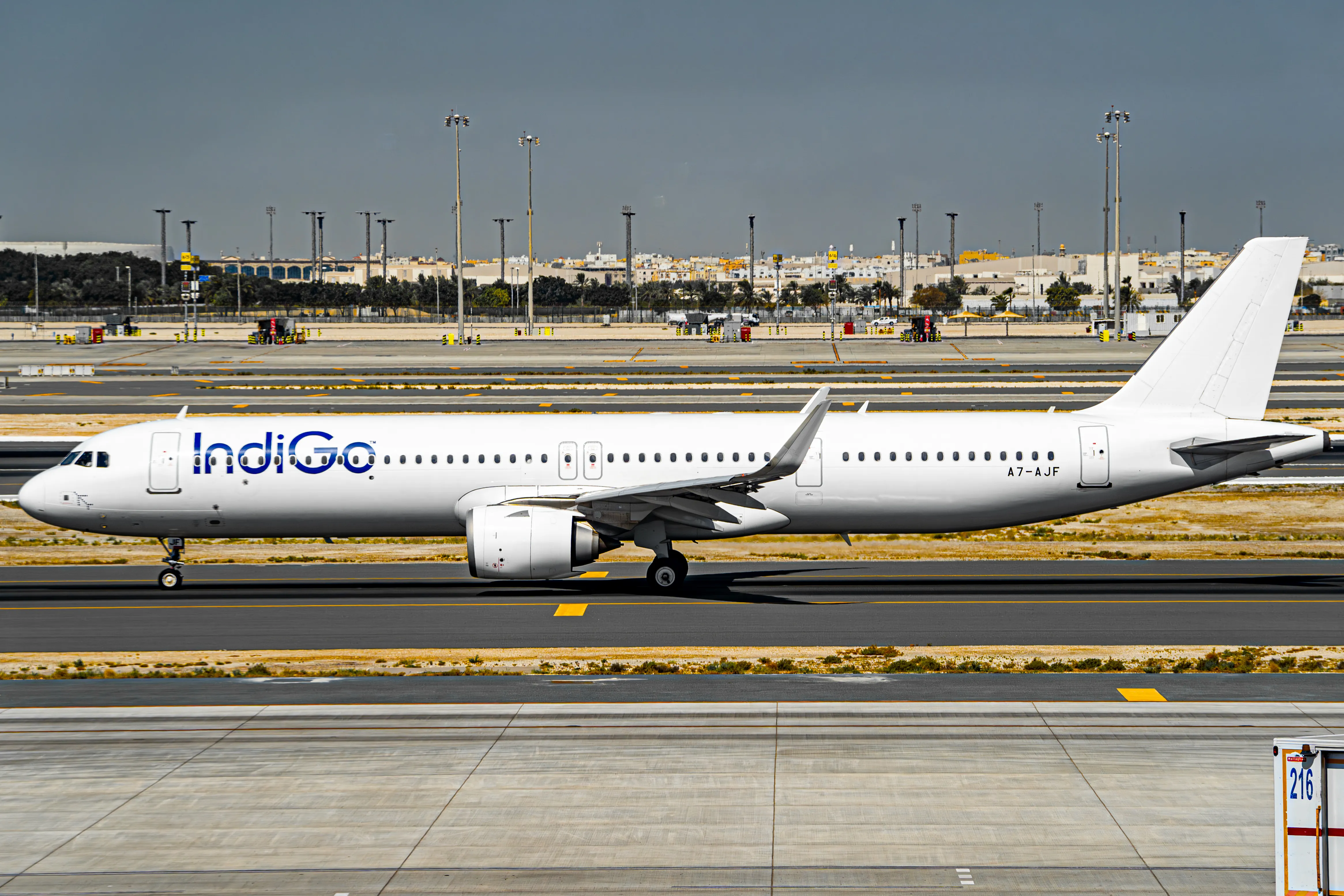
Compare the cabin on each side of the wing. The A318 is the shortest, followed by the A319 at 33.84 m, A320 at 37.57 m and A321 at 44.51 m.
Engine nacelles
Compare the larger neo engine nacelles with the earlier ceo installations. Check the engines as well as the tips, because Sharklets can be fitted to both generations.

Use the registration and aircraft records to confirm a precise engine or range suffix.

Design & cabins

  • Digital fly-by-wire and sidesticks

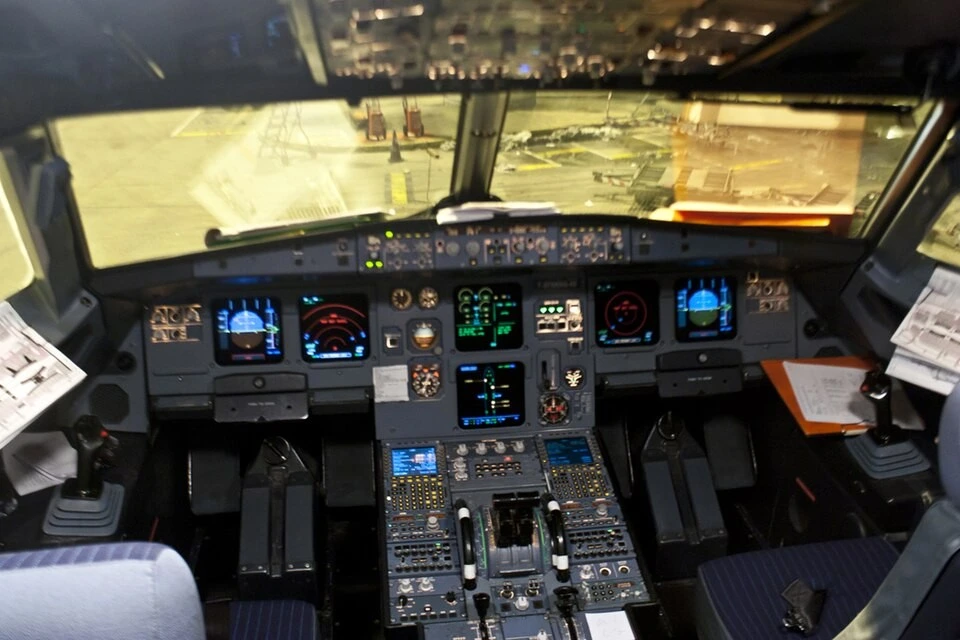
    Sidesticks signal the A320 family's digital flight controls. The control laws and common flight deck became defining features of the family.

  • ceo and neo powerplants

    The earlier CFM56 and V2500 installations are part of the ceo generation. LEAP-1A and PW1100G-JM are the two neo engine families.

  • A321LR and A321XLR fuel storage

    The LR's additional centre tanks and the XLR's integrated rear centre tank are different ways of extending the A321's range.

  • A321neo cabin and door configurations

    The Airbus Cabin Flex arrangement changes the A321neo's exit layout. Cabin and door diagrams belong to the specific configuration shown.

More aircraft systems
Cabin configuration examples

Low-cost carriers

Full-service carriers

Five-star airlines

Technical notes

Design notes

  • The family includes A318, A319, A320, A321, and ceo/neo engine generations.
  • Fly-by-wire controls, side-stick cockpit, and common type rating are central to Airbus single-aisle operations.
  • A321LR and A321XLR extend single-aisle range into many thin long-haul markets.
  • Major variants covered here: A318, A319, A320, A321, A319neo, A320neo, A321neo, ACJ.

Advantages

  • Strong cockpit and fleet commonality.
  • Very broad airline and leasing support ecosystem.
  • A321neo/LR/XLR provide high capability for a single-aisle aircraft.

Limitations

  • High-demand trunk routes may still require wide-body capacity.
  • Different engine generations and subvariants require careful configuration tracking.
Family Technical Profile

Airbus A320 Family is one of Airbus's platforms in its market segment, balancing capacity, range, airport compatibility, maintenance economics, and mission flexibility.

Airbus A320 Family serves the narrowbody market with family commonality and multiple configurations.

Technical features

  • Airbus A320 Family: Single-aisle fuselage efficiency · structure. A narrow fuselage reduces structural weight and airport footprint for high-frequency short and medium routes.
  • Airbus A320 Family: High-cycle operating design · maintenance. Doors, landing gear, brakes, and systems are optimized for repeated daily sectors and quick turnarounds.
  • Airbus A320 Family: Wing and high-lift devices · aerodynamics. Flaps, slats, and wingtip devices balance runway performance with cruise efficiency.
  • Airbus A320 Family: Engine generation changes · engine. Engine nacelle, thrust rating, fuel burn, and noise standards define each production generation.
  • Airbus A320 Family: Fleet commonality · operational_efficiency. Common flight decks and maintenance practices reduce training and support cost across subfleets.

Advantages

  • One platform can cover several capacity and mission bands.
  • Family design reduces training, maintenance, and spares complexity.
  • Engine, wingtip, avionics, or structural upgrades can extend lifecycle value.

Weaknesses

  • Configuration identification complexity. Visually similar aircraft can differ materially by engine, weight standard, cabin layout, and conversion status.
  • Generation-dependent economics. Older generations usually trail newer designs in fuel burn, noise, avionics, or maintenance intervals.
  • Market-fit limits. Every variant has an ideal capacity and range band; outside it, load factor, range, or cost can become limiting.

Markets

  • Network airline trunk or feeder markets
  • Leasing and fleet replacement markets
  • Regional, domestic, or international airline markets

Operators

  • Full-service network airlines
  • Low-cost or leisure airlines
  • Cargo, government, or special-mission operators

Routes and missions

  • High-frequency short or medium-haul trunk routes
  • Medium-density long-haul or cross-regional routes
  • Fleet replacement, supplementation, or special missions
Key terms
Engine configuration

The exact engine family and thrust standard installed on a specific model or production block.

  • Connects model suffixes, airline maintenance strategy, and performance limits.
  • Important for aircraft identification and fleet comparison.

Advantages. Helps explain range, payload, noise, and fuel-burn differences.

Limitations. Public data may omit thrust derates or later engine swaps.

Cabin configuration

The airline-selected layout of cabins, seats, galleys, lavatories, crew rest, and monuments.

  • Can change the same aircraft type from premium-heavy to high-density.
  • Affects range, payload, passenger experience, and turnaround flow.

Advantages. Lets airlines tailor the aircraft to route economics.

Limitations. Seat-map examples vary over time and by subfleet.

Fly-by-wire commonality

Airbus families use a common cockpit philosophy that helps reduce training differences across related aircraft.

  • This system is part of the A330 operating architecture and interacts with flight-control, electrical, hydraulic, engine, or environmental systems.
  • Exact configuration varies across A330ceo, A330neo, freighter, and military derivatives.

Advantages. Improves operational reliability, economics, or mission flexibility. Uses a mature wide-body systems architecture to reduce operational risk.

Limitations. System complexity increases maintenance, training, and troubleshooting demands. Airline configuration and engine choice can change real-world performance.

Sources