Airbus A330-300P2F

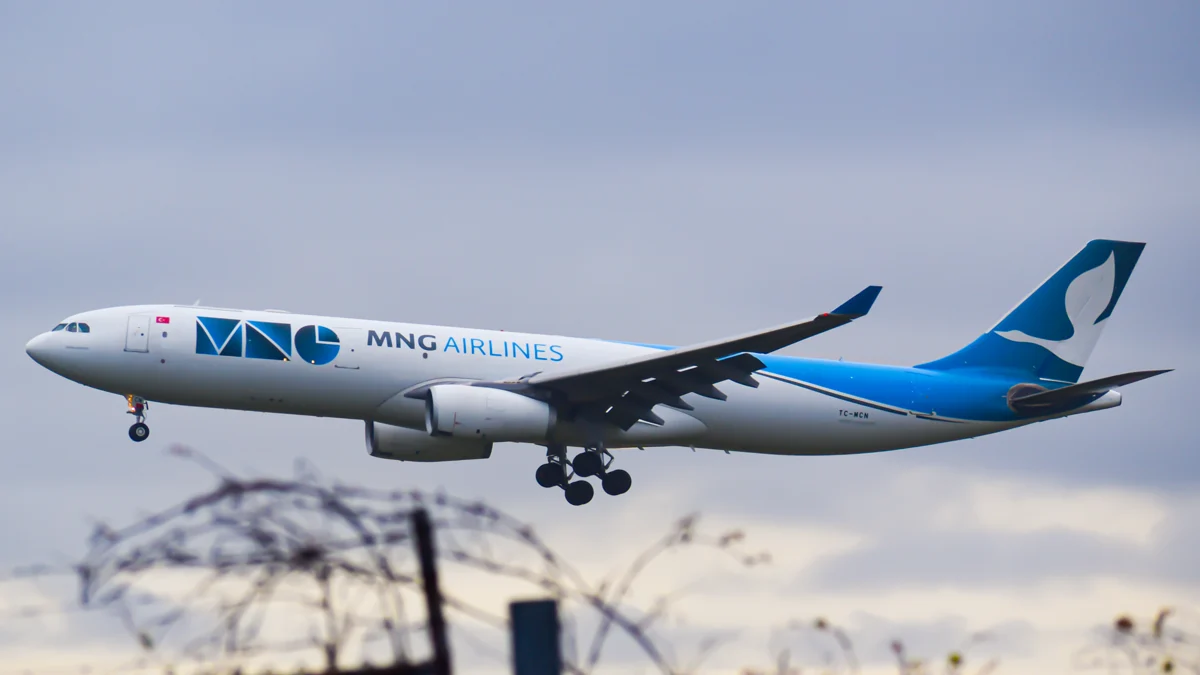
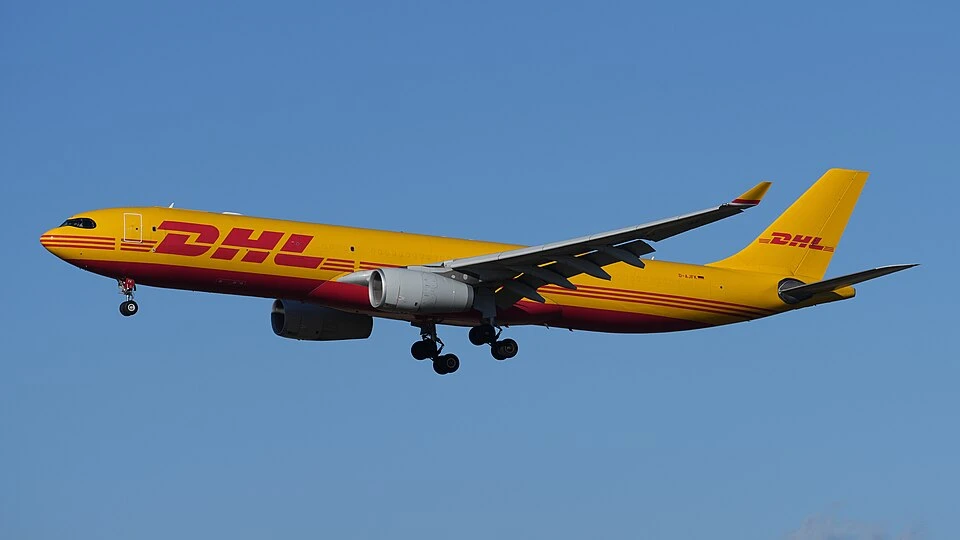
The A330-300P2F is a passenger-to-freighter conversion of the A330-300. It reuses passenger airframes for cargo service by adding freighter systems such as a cargo door, strengthened floor provisions, and cargo loading equipment.

At a glance

Airbus A330-300P2F

Entered service
2017
Length
63.66 m
Wingspan
60.3 m
Published range
3,700 nmPublished maximum range
Maximum cargo payload
62 t
Engine options
CF6-80E1 · PW4000-100 · Trent 700Depends on the donor aircraft and applicable conversion approval
Main landing gear
2 axles · 4 wheels per side
Sources
Airbus A330-300 model line

Compare models

Current aircraftAirbus A330-300
Compare with

Comparing Airbus A330-300P2F with Airbus A330-300.

SpecificationAirbus A330-300P2FAirbus A330-300
Length63.66 m63.66 m
Wingspan60.3 m60.3 m
Maximum take-off weight233 tPublished cargo configuration242 t242 t weight variant
Maximum payload62 tPublished cargo payload46 tApproximate Airbus planning figure. 242 t MTOW, engine installation dependent.
Fuel tank capacity97,530 LRepresentative A330-323 usable two-tank capacity. Earlier feedstock has 97,885 L. Approved centre-tank weight variants have 139,090 L139,090 LPublished maximum tank capacity
Engine optionsCF6-80E1 · PW4000-100 · Trent 700Depends on the donor aircraft and applicable conversion approvalCF6-80E1 · PW4000-100 · Trent 700
Typical two-class seatsUnavailable300
Published range3,700 nmiPublished maximum range6,350 nmi

A dash indicates that a verified figure is unavailable. Figures follow the configuration specified by each source.

Comparison sources

Identification

Use these features to recognise the Airbus A330-300. Check the aircraft or programme record for the Airbus A330-300P2F designation.

Long passenger fuselage
A broadside view shows nearly 5 m more fuselage than the A330-200. Compare cabin sections either side of the wing.
Short wingtip devices
Look at the tips when comparing with the similarly long A330-900. The -300 has short wingtip devices, while the -900 has extended, curved tips.

Design & cabins

  • A330 Passenger-to-Freighter Structure

    A330 passenger-to-freighter conversion is not a single part, but a package of structural and systems changes. The most visible change is the main-deck cargo door, supported by floor, loading, smoke detection, and cargo barrier modifications.

  • A330 Fuselage

    The A330 fuselage is a twin-aisle wide-body pressure vessel whose length, door layout, cargo volume, window spacing, and cabin interior can vary significantly between the A330-200, A330-300, freighter, tanker, and A330neo derivatives.

  • A330 Wings

    The A330 wing is a major structural and aerodynamic component that carries fuel, supports high-lift devices, engine pylons, and landing-gear loads, and strongly influences cruise efficiency, payload-range performance, and airport compatibility.

  • A330 Landing Gear

    The A330 landing gear system supports wide-body weights while preserving ground handling compatibility at major airports. The freighter version is notable because its nose-gear arrangement helps level the cargo floor for loading.

Engine configurations

A330ceo

Technical notes

Design notes

  • Conversion work focuses on cargo door installation, cabin removal, structural reinforcement, and cargo handling systems.
  • The -300P2F favors volume-sensitive freight because of its longer fuselage.
  • It differs from the factory A330-200F because it begins life as a passenger aircraft.
  • Its engine configuration follows the original A330-300 feedstock aircraft, commonly Trent 700, CF6-80E1, or PW4000 families.

Advantages

  • Useful for express and e-commerce cargo where volume can matter more than maximum payload.
  • Extends the economic life of older passenger A330-300 aircraft.

Limitations

  • Converted freighters can have structural and payload compromises compared with clean-sheet or factory freighters.
  • Economics depend heavily on used aircraft price, conversion cost, and cargo market demand.
Variant Technical Profile

Airbus A330-300P2F is a specific configuration within Airbus A330-300, developed to cover a defined capacity, range, payload, or mission requirement inside the wider family.

Airbus A330-300P2F is positioned as a capacity/range-specific solution within the freighter segment, serving routes better matched than sibling variants.

Technical features

  • Airbus A330-300P2F: Cargo door and floor loading · structure. Main-deck doors, reinforced floors, and cargo loading systems define usable freight capability.
  • Airbus A330-300P2F: Payload-volume balance · range_payload. The aircraft must balance container volume, structural payload, and range for express or general cargo.
  • Airbus A330-300P2F: Freighter conversion economics · maintenance. Passenger-to-freighter variants depend on feedstock price, engine life, and structural condition.
  • Airbus A330-300P2F: Belly and main-deck logistics · operational_efficiency. ULD compatibility, loading height, and turnaround flow shape cargo network efficiency.
  • Airbus A330-300P2F: Engine maintenance sensitivity · engine. Cargo operators often prioritize durable engines and predictable maintenance cost over passenger cabin features.

Advantages

  • Provides a more precise capacity or range match within the family.
  • Retains training, maintenance, and parts commonality with sibling variants.
  • Lets operators tune engine, cabin, and payload choices to route needs.

Weaknesses

  • Configuration identification complexity. Visually similar aircraft can differ materially by engine, weight standard, cabin layout, and conversion status.
  • Generation-dependent economics. Older generations usually trail newer designs in fuel burn, noise, avionics, or maintenance intervals.
  • Market-fit limits. Every variant has an ideal capacity and range band; outside it, load factor, range, or cost can become limiting.

Markets

  • Network airline trunk or feeder markets
  • Leasing and fleet replacement markets
  • Regional, domestic, or international airline markets

Operators

  • Full-service network airlines
  • Low-cost or leisure airlines
  • Cargo, government, or special-mission operators

Routes and missions

  • High-frequency short or medium-haul trunk routes
  • Medium-density long-haul or cross-regional routes
  • Express and general air-cargo networks

Sibling comparison

  • smaller sibling variants. Usually provides more seats, cargo volume, or thrust demand, but can be harder to fill on thinner routes.
  • larger or longer-range sibling variants. Usually has lower acquisition and operating exposure, but less range, payload, or growth margin.
Sources